Brooklyn Real Estate Guide
Brooklyn Co-Ops For Sale | Brooklyn Condos For Sale | Brooklyn Townhomes For Sale
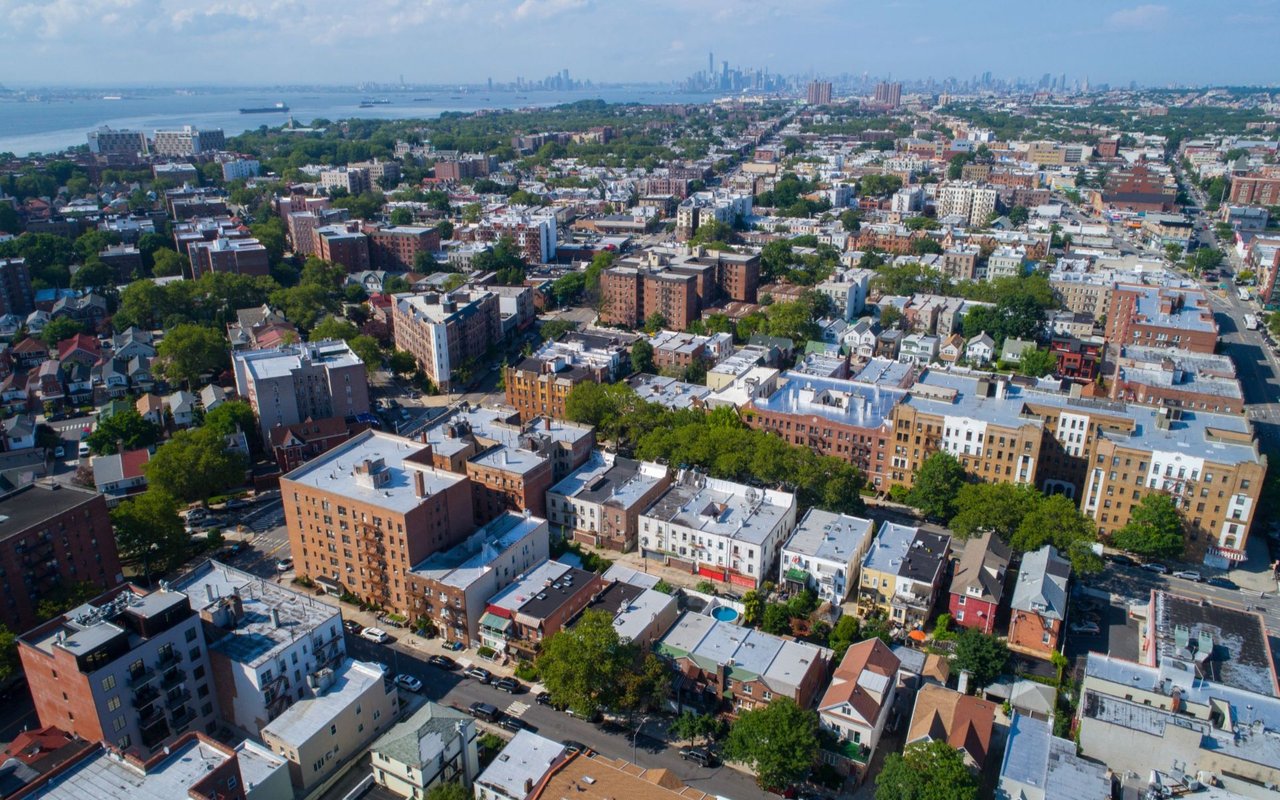
Brooklyn real estate offers one of the most varied residential markets in the country, spanning everything from 19th-century brownstones to 90-story glass towers. The borough's housing stock tells the story of its evolution: from a collection of independent villages and farmland, to America's first commuter suburb, to one of the most sought-after places to live in New York City.
What to Love About Brooklyn
- A housing market with real range, from prewar co-ops to brand-new luxury condos to full townhouses with private outdoor space
- Walkable neighborhoods, each with their own commercial corridors, restaurants, and weekend farmers markets
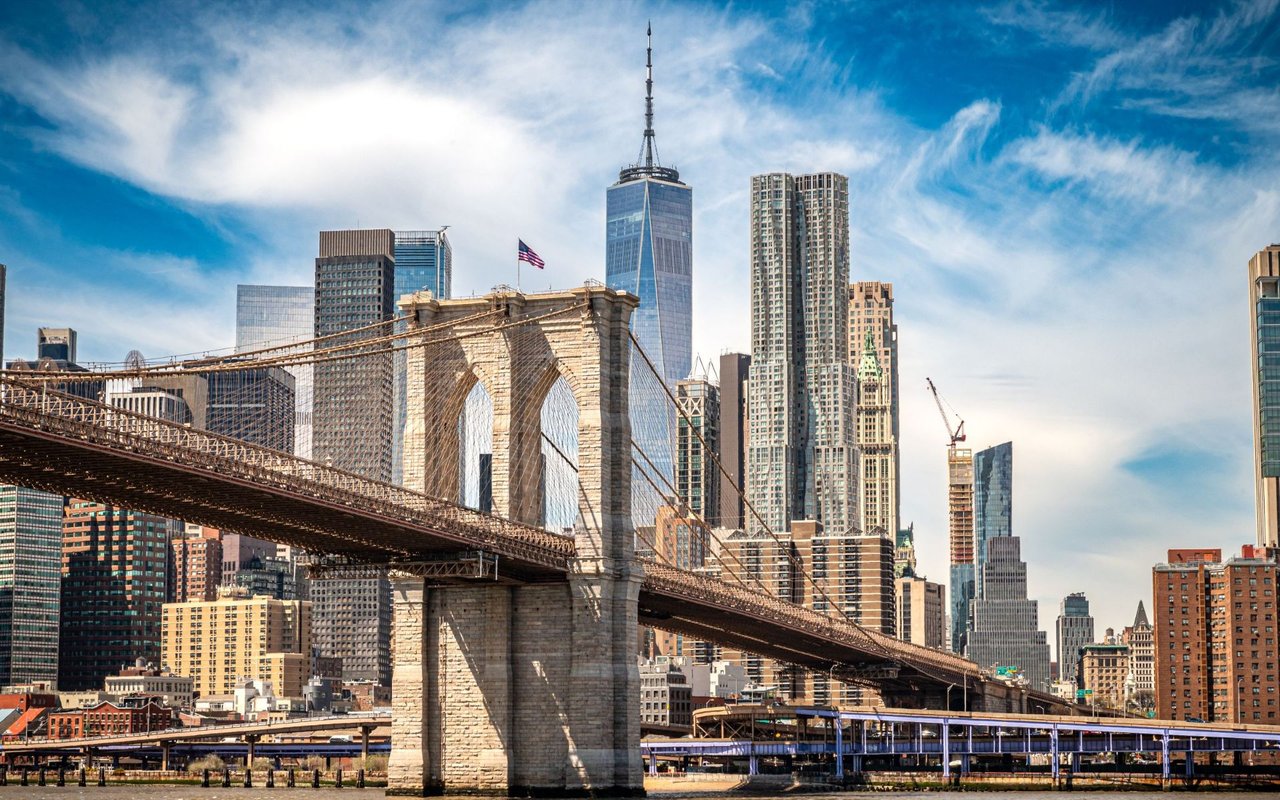
- Prospect Park, Brooklyn Bridge Park, Green-Wood Cemetery, and dozens of smaller green spaces within reach
- Some of the best public and private schools in New York City
- Transit access that connects most neighborhoods to Manhattan in under 30 minutes
- A food scene that holds its own against any borough, from Michelin-starred restaurants to decades-old pizzerias
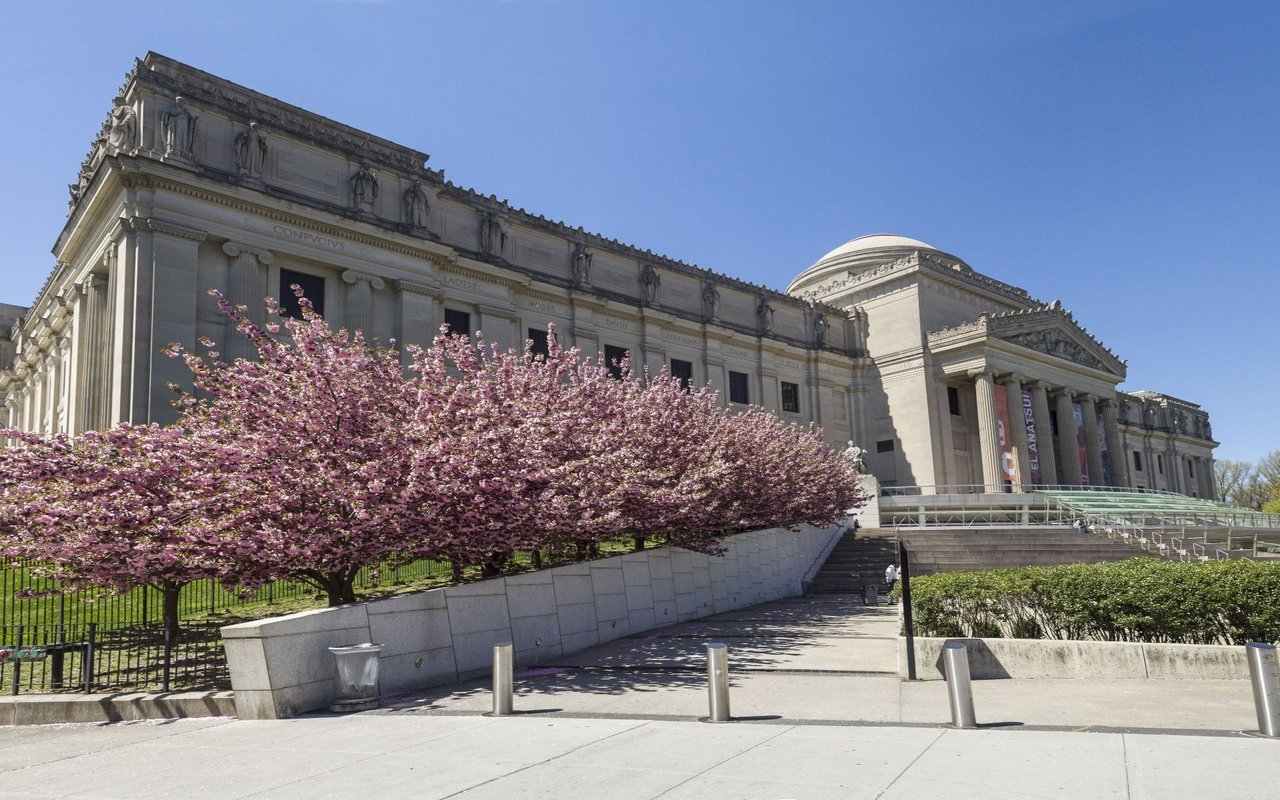
- Cultural institutions like the Brooklyn Museum, Brooklyn Academy of Music (BAM), and the Brooklyn Botanic Garden
- Waterfront access along the East River, New York Harbor, and the Narrows
Real Estate and Homes
Brooklyn's housing inventory is built around a few core property types, and understanding the differences is essential for any buyer entering this market.
Co-ops are the most common form of apartment ownership in Brooklyn, making up close to 80% of all apartment units for sale in brownstone neighborhoods and prewar buildings. When you buy a co-op, you're purchasing shares in a corporation that owns the building rather than buying the unit itself. Co-op boards screen prospective buyers through an application and interview process, and most buildings impose rules around subletting, renovations, and financing. Down payment requirements typically start at 20% but can go significantly higher at stricter buildings. Monthly maintenance fees cover property taxes, building staff, shared utilities, and building reserves.
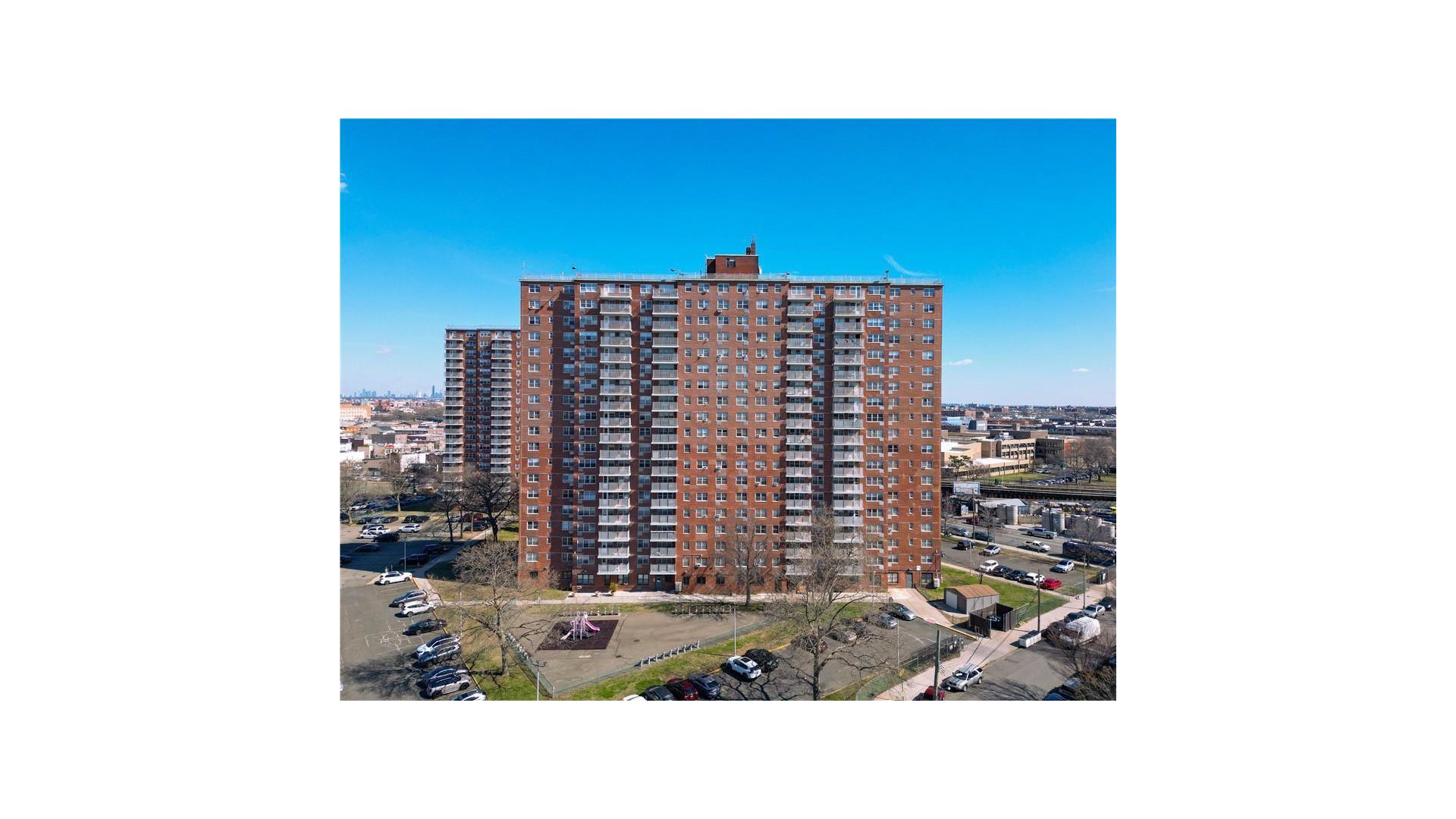
Condominiums give buyers a deed to their individual unit, which means more flexibility when it comes to subletting, financing, and resale. Condos tend to be newer construction or conversions and are more common in areas with recent development, like Downtown Brooklyn, the waterfront, and along Fourth Avenue. Monthly common charges are generally lower than co-op maintenance, though condo owners pay their real estate taxes separately. Condo boards may still have a right of first refusal, but the purchase process is faster and less restrictive than a co-op.
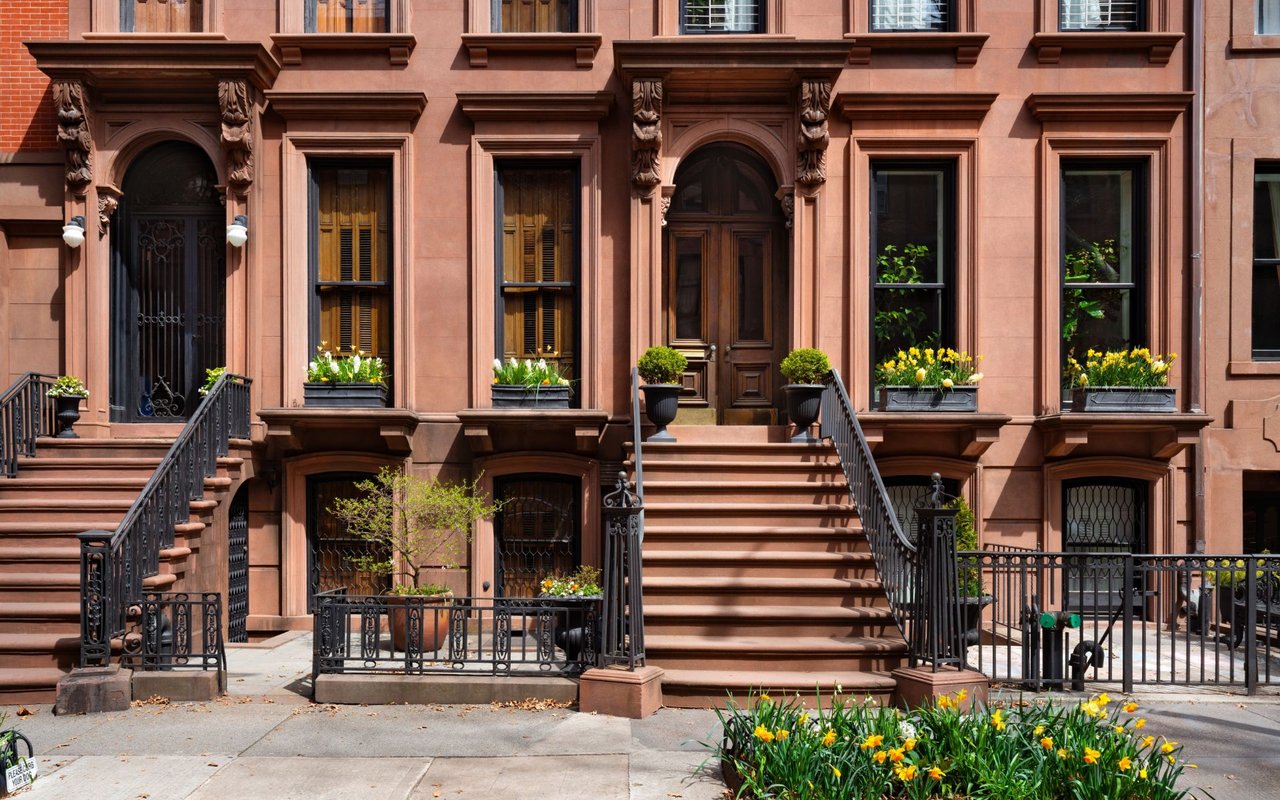
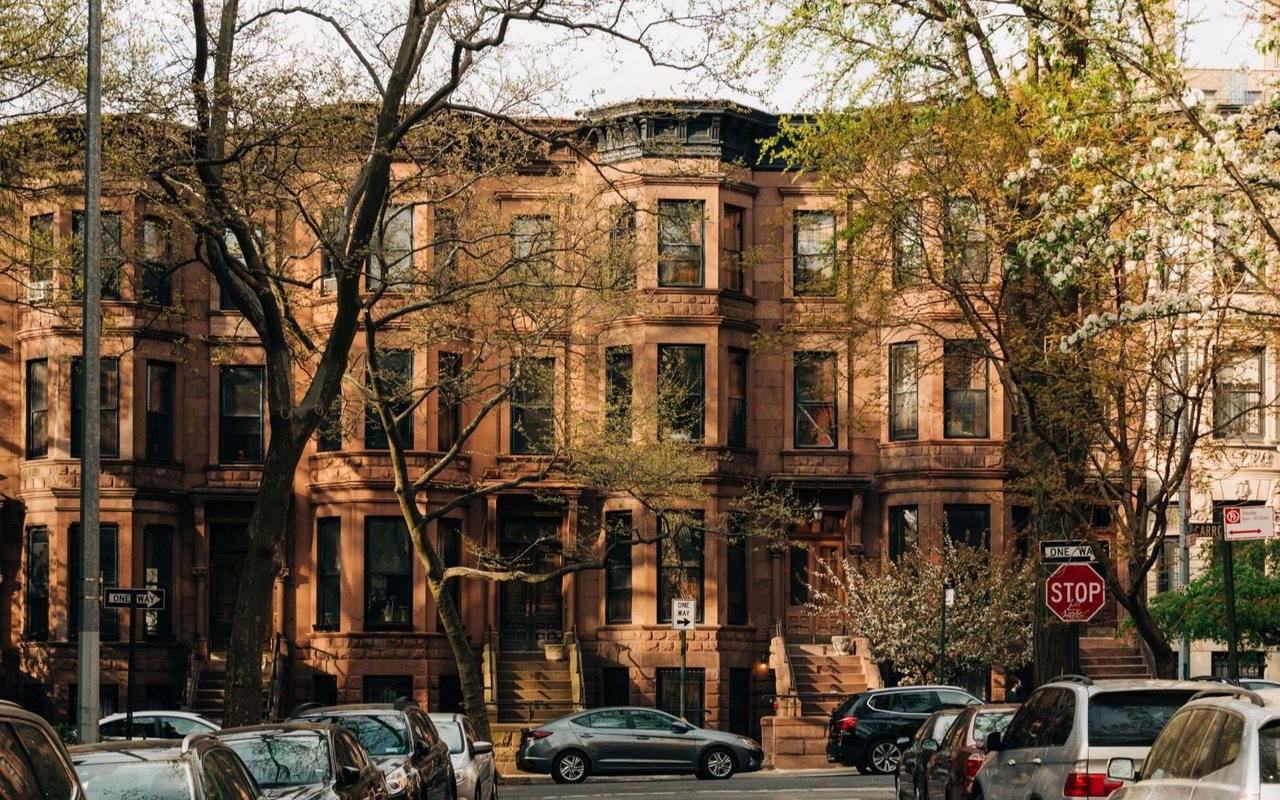
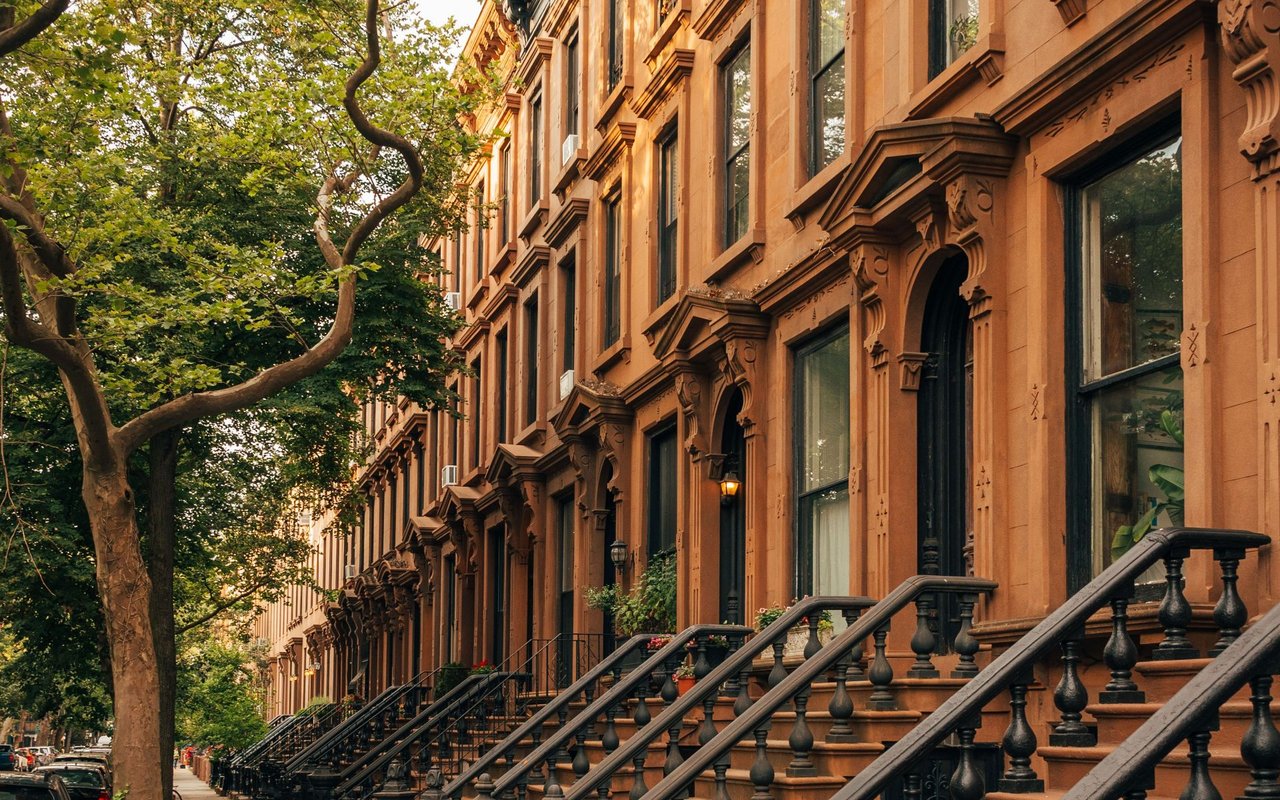
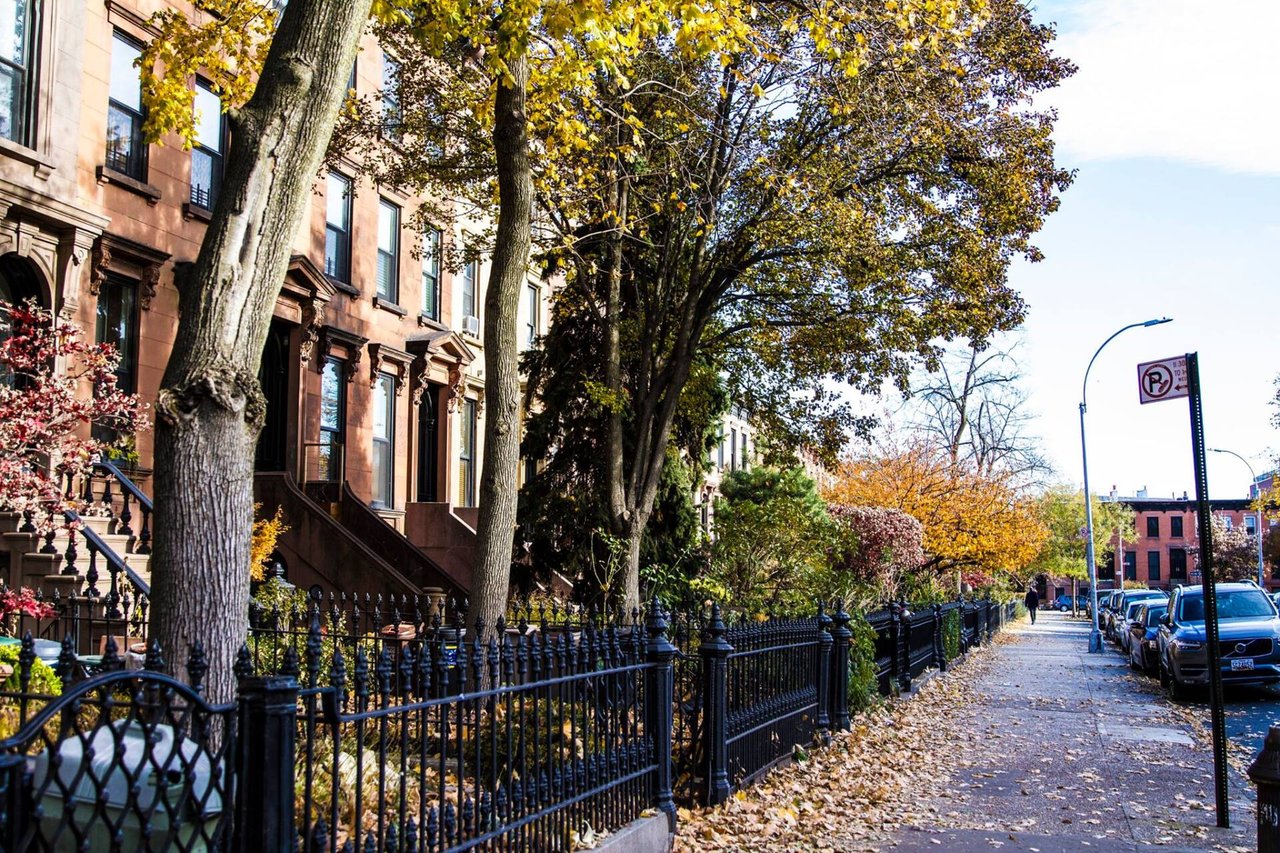
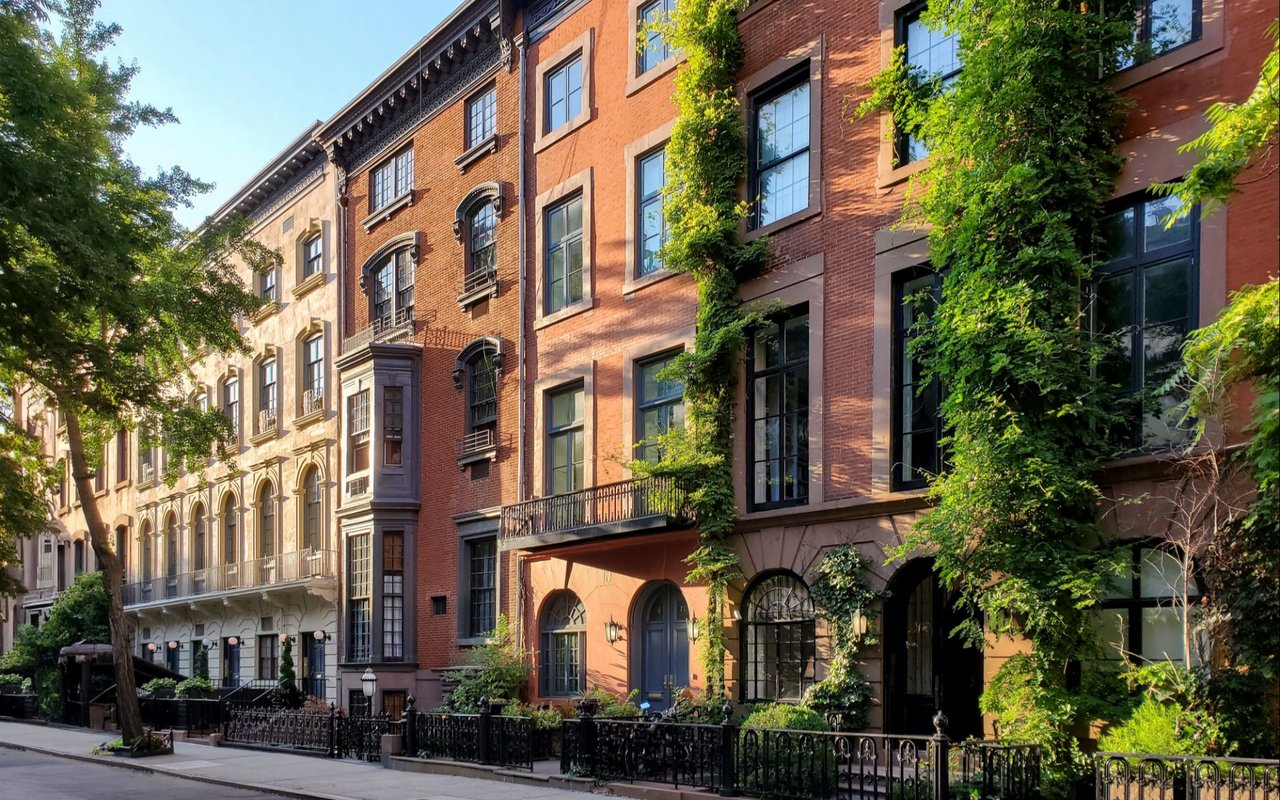
Brownstones and townhouses are the property type Brooklyn is most famous for. These attached row houses, typically three or four stories, were built throughout the 19th century from brown sandstone (hence the name). Buying a full brownstone means owning the entire building and lot. Many are configured as single-family homes, while others are set up as multi-family properties with rental income potential. Ownership comes with full control and full responsibility: you maintain the roof, facade, mechanicals, and any outdoor space yourself.
Local Tip: Many brownstones have been subdivided into co-op or condo units. A "brownstone co-op" gives you the architectural character of a townhouse (high ceilings, original details, private outdoor space) at a lower price point than buying the full building, though you'll be subject to the building's co-op rules.
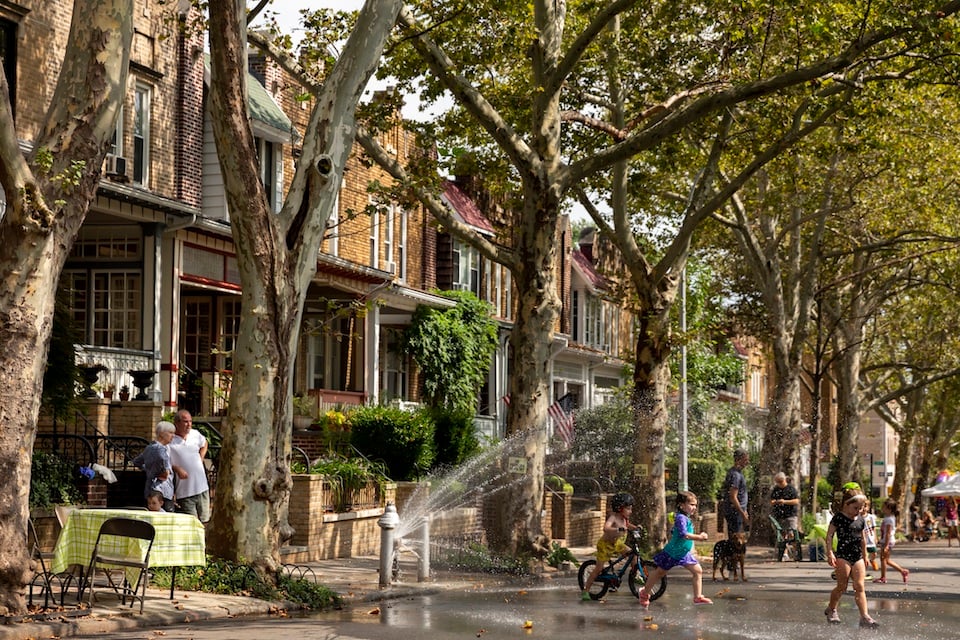
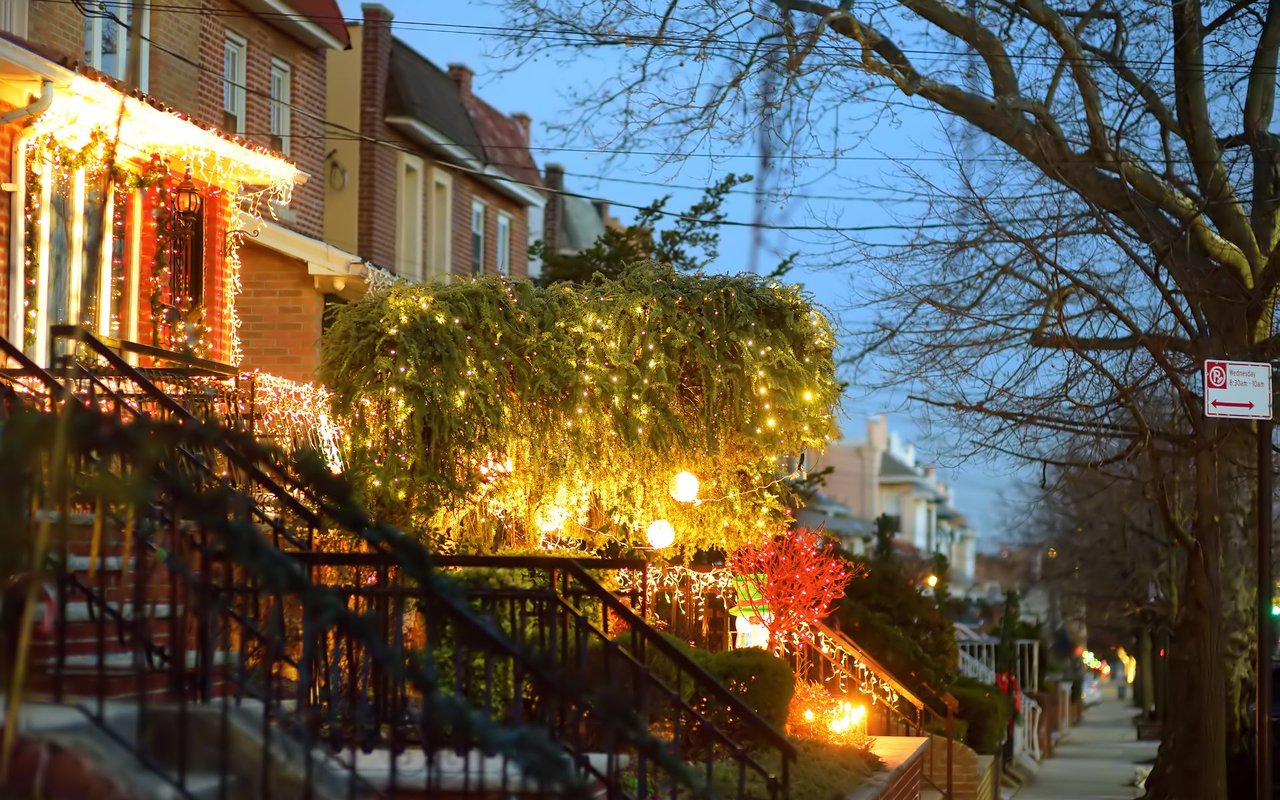
Row houses is a broader term that includes brownstones but also covers brick, limestone, and wood-frame attached houses found across Brooklyn. Bay Ridge, Windsor Terrace, and parts of South Brooklyn have large stocks of row houses in Renaissance Revival, Colonial Revival, and early 20th-century styles that differ significantly from the classic brownstone blocks of Park Slope or Brooklyn Heights.
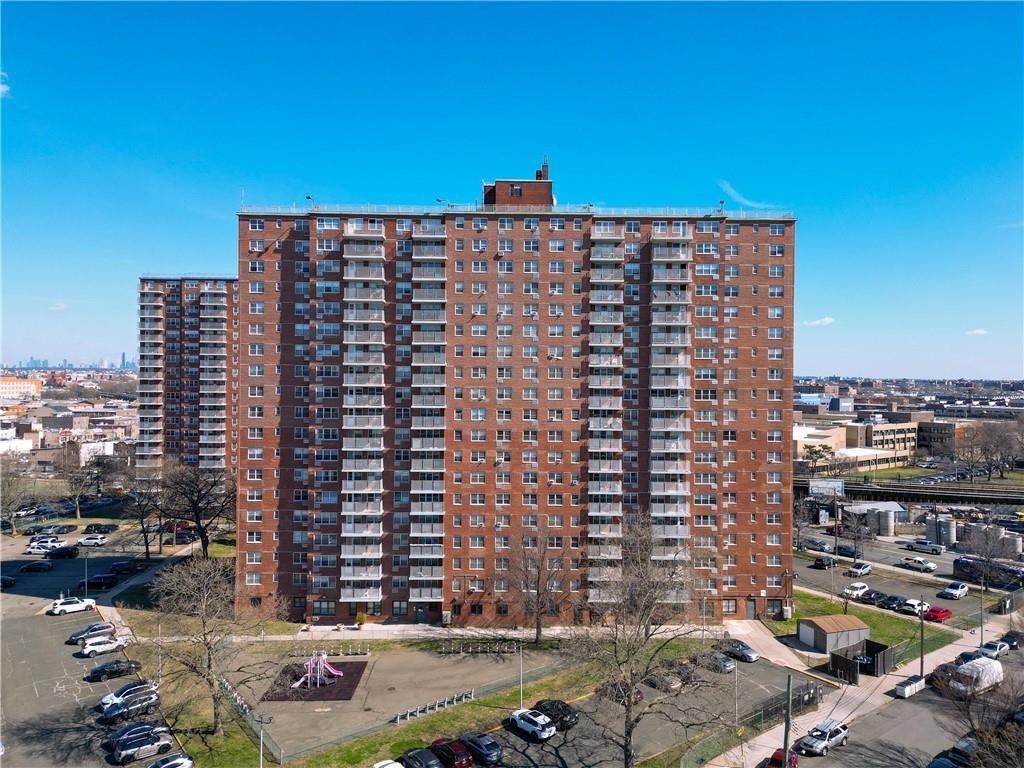
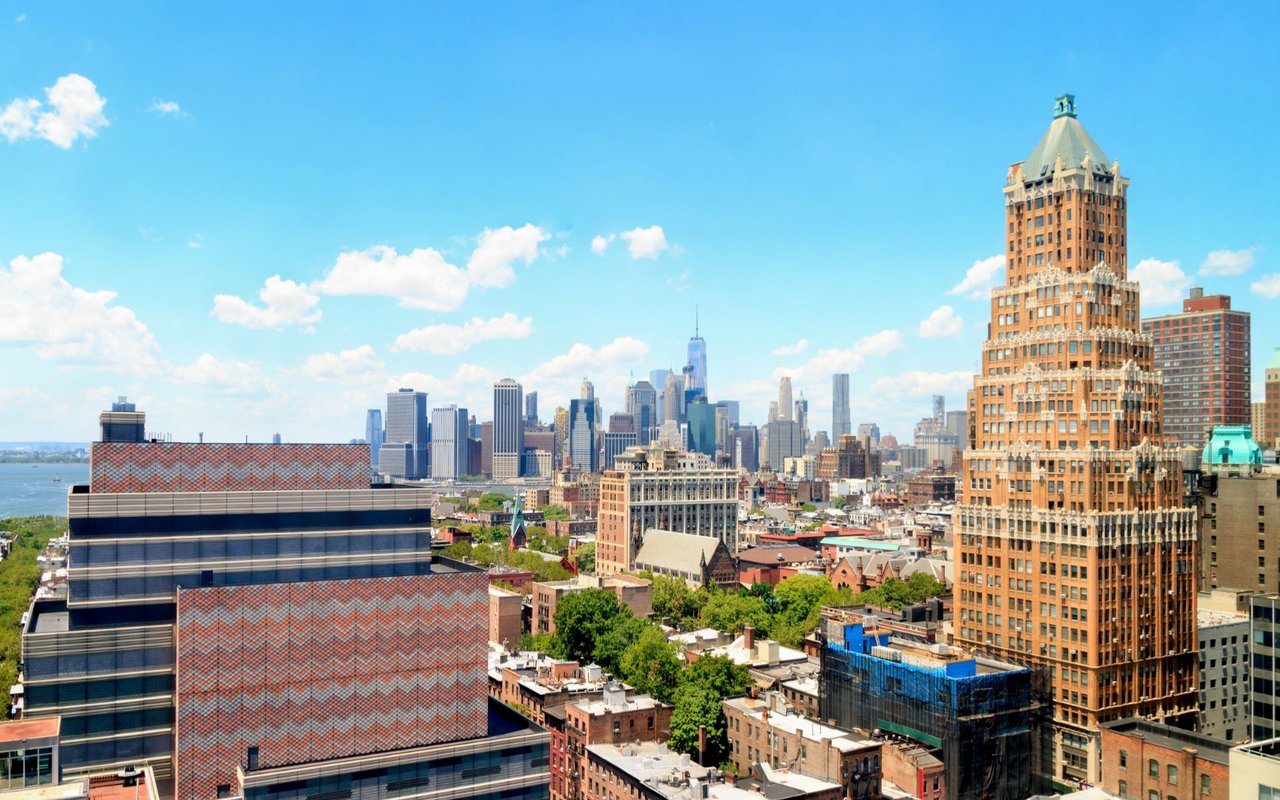
Beyond these core types, Brooklyn's market also includes prewar elevator buildings (many structured as co-ops with doormen and shared amenities), modern high-rise rental and condo towers (especially in Downtown Brooklyn and along the waterfront), and a small number of detached single-family homes in neighborhoods like Bay Ridge and Midwood.
Lifestyle and Local Highlights
Brooklyn is a borough of neighborhoods, and each one covered in this guide has its own section below with a deeper look at what it's like to live there. But a few things tie the borough together.
Transit is a defining feature of daily life. Most of western and central Brooklyn is well-served by subway, with multiple lines converging at Atlantic Avenue-Barclays Center and the Downtown Brooklyn stations. Express buses connect southern Brooklyn neighborhoods to Manhattan for commuters who prefer a seat. NYC Ferry service has expanded along the waterfront, and Citi Bike stations now cover much of the borough.
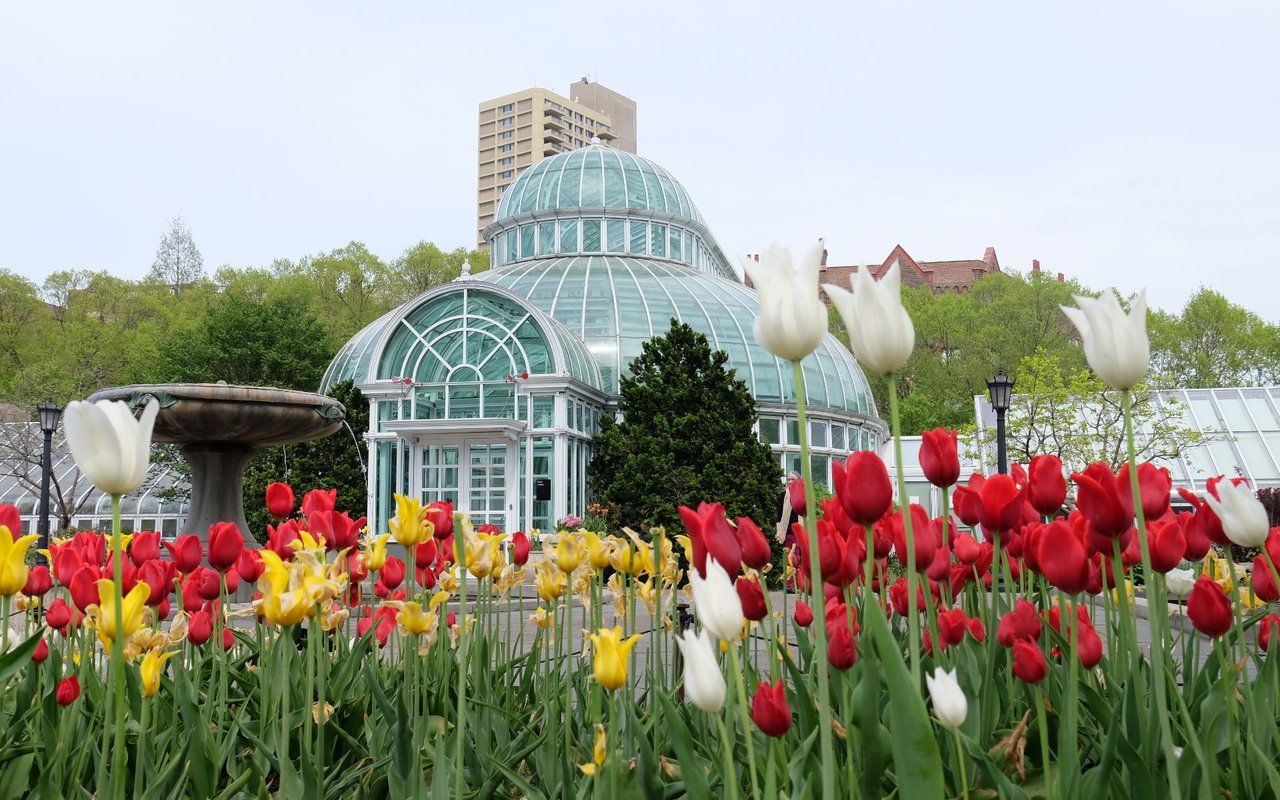
Prospect Park is Brooklyn's backyard. Designed by Frederick Law Olmsted and Calvert Vaux (the same team behind Central Park), its 585 acres include woodlands, a lake, ball fields, a zoo, and the Prospect Park Bandshell. The Brooklyn Botanic Garden and Brooklyn Museum sit just outside the park's eastern edge.
Brooklyn's dining scene runs deep. You'll find everything from neighborhood Italian joints that haven't changed in 40 years to buzzy new openings from acclaimed chefs. Food halls like Dekalb Market Hall and Smorgasburg have become weekend institutions. And Brooklyn's bar culture, from craft cocktail spots to old-school dive bars, is one of the best in the city.
Families are drawn to Brooklyn for its strong school options (both public and private), its parks and playgrounds, and a general pace of life that feels more manageable than Manhattan without sacrificing urban convenience. Young professionals come for the cultural energy, the restaurant and nightlife scene, and the housing stock. Investors pay attention to Brooklyn because demand remains consistently strong across most neighborhoods.