Why Smart Home Features and Walkability Quietly Drive Value in Brooklyn Real Estate
In music, technology enhances performance—it never replaces it.
When I was training as a tenor and teaching music, I learned that microphones, acoustics, and digital tuners didn’t make the performance for you. They supported it. They removed friction. They allowed the artistry to come through more clearly.
Brooklyn real estate works the same way.
Smart home technology doesn’t sell a home on its own. Walkability doesn’t either. But together, they create a sense of ease—and ease is one of the most powerful drivers of buyer behavior in today’s Brooklyn market.
According to The Wall Street Journal, The Real Deal, and The New York Times, buyers consistently pay premiums for homes that feel intuitive, efficient, and ready for everyday life from day one.
In Brooklyn, convenience isn’t a small bonus.
It’s a strategic advantage.
Smart Home Features Signal “Move-In Ready”
Buyers today are not just evaluating square footage or finishes. They’re assessing how easily a home will fit into their daily rhythm.
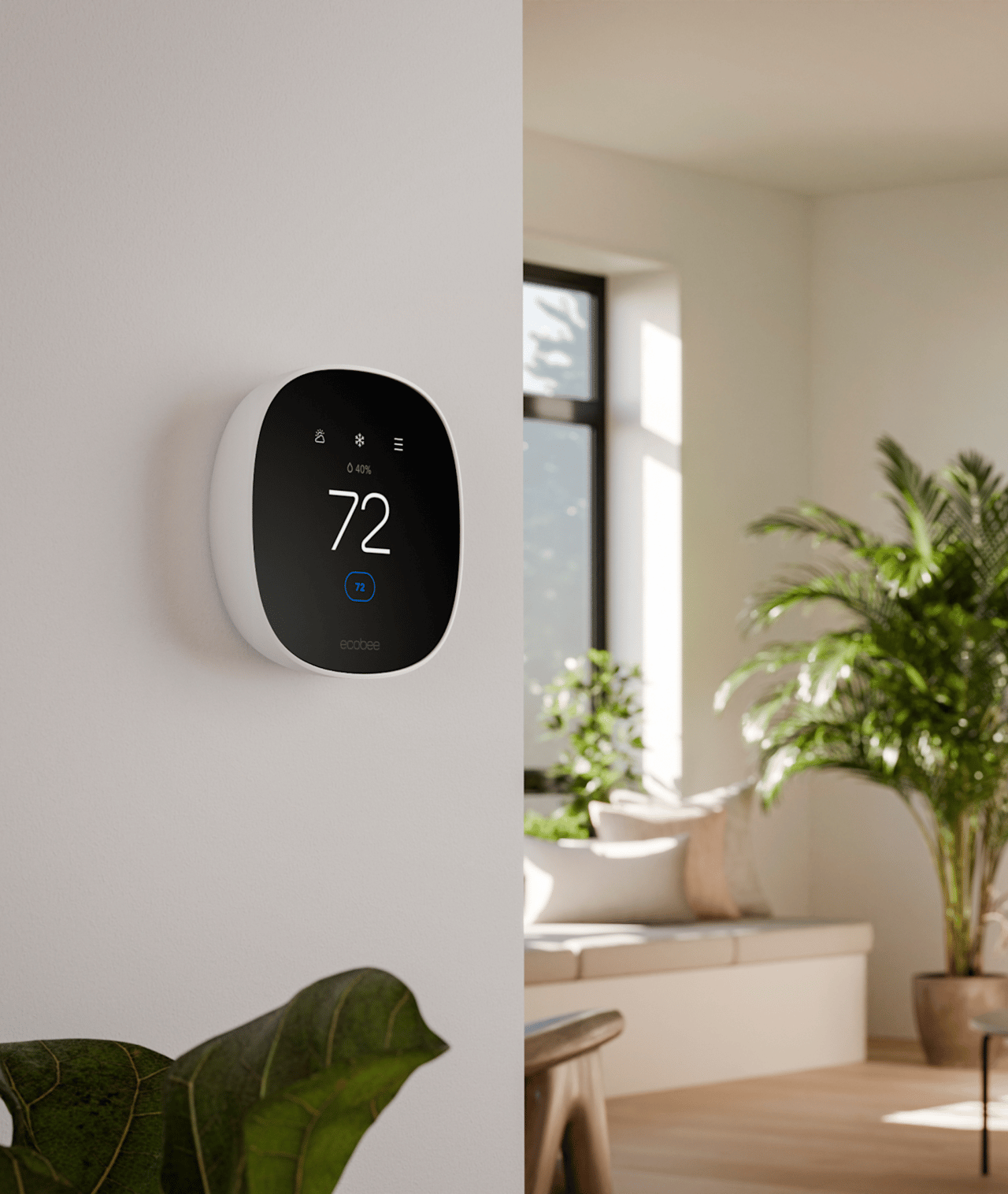
Smart thermostats, video doorbells, and integrated security systems send a subtle but powerful message:
this home has been cared for, updated, and thoughtfully prepared.
The Wall Street Journal has reported that buyers increasingly interpret smart features as indicators of lower friction after closing. There’s less uncertainty about immediate upgrades, fewer first-month expenses, and a sense that the home aligns with modern living standards.
From a psychological standpoint, this matters more than many sellers realize.
When buyers walk into a Brooklyn apartment or brownstone and see smart climate controls already installed, or a video doorbell in place, they’re not thinking about the device itself. They’re thinking:
-
“I won’t have to do this later.”
-
“Someone already solved this problem.”
-
“This feels finished.”
In competitive Brooklyn markets—where buyers are often choosing between multiple strong options—those signals can quietly tip the scales.
Technology Supports Lifestyle, Not the Other Way Around
In music education, we used technology to support expression, not overpower it. The same principle applies here.
Smart home features work best when they’re invisible in use. A thermostat that learns your schedule. A security system that provides peace of mind without complexity. A doorbell that lets you manage deliveries without interrupting your day.
The Real Deal has consistently highlighted how “move-in ready” perceptions affect pricing, particularly in urban markets like Brooklyn where buyers often balance demanding work schedules, long commutes, and family logistics.
Technology removes friction.
And friction reduction increases value.
Walkability Turns a Property Into a Lifestyle
If smart home features signal readiness, walkability delivers emotional commitment.
The New York Times has repeatedly confirmed that buyers are willing to pay more for neighborhoods where daily errands don’t require planning, driving, or compromise. Access to groceries, coffee shops, pharmacies, parks, and transit is no longer a “nice-to-have”—it’s a core decision factor.
In Brooklyn, walkability is deeply personal.
Being able to step outside and grab coffee, pick up groceries, walk a child to school, or meet a friend without checking a schedule changes how a home feels. Buyers don’t just imagine living inside the space—they imagine moving through their neighborhood with ease.
That emotional response matters.
Just like an audience doesn’t analyze every technical element of a musical performance, buyers don’t consciously tally every convenience. They feel the harmony—or the lack of it.
Why Buyers Pay More for Daily Ease
When buyers tour walkable Brooklyn neighborhoods—Park Slope, Bay Ridge, Carroll Gardens, Windsor Terrace, parts of Fort Greene and Brooklyn Heights—they’re responding to something subtle but powerful: reduced mental load.
No daily car logistics.
No constant planning.
No friction.
The New York Times has documented how urban buyers increasingly prioritize “15-minute living”—where daily needs are accessible within a short walk. This lifestyle premium often shows up not just in pricing, but in faster decision-making and stronger offers.
Homes that combine walkability with smart, modern infrastructure feel complete. They feel aligned with how buyers already live—or want to live.
The Brooklyn Advantage: Strategy Over Flash
In Brooklyn real estate, value is rarely loud.
It’s not always the boldest renovation or the biggest square footage that wins. Often, it’s the property that feels easiest to say yes to.
Smart home features don’t shout.
Walkability doesn’t need explanation.
Together, they create confidence.
As a Brooklyn native and longtime real estate professional, I see this pattern play out repeatedly. Buyers move faster, negotiate less aggressively, and feel more secure when a home removes obstacles instead of introducing them.
That’s not accidental.
That’s strategy.
What This Means for Sellers
If you’re preparing to sell in Brooklyn, the takeaway is simple:
You don’t need every possible upgrade.
You need the right signals.
-
Highlight existing smart features clearly in marketing.
-
Emphasize walkable amenities, not just proximity on a map.
-
Position your home as ready for real life—not just great photos.
When done correctly, these elements don’t just attract buyers. They attract committed buyers.
Final Thought: Harmony Sells Homes
In music, the best performances feel effortless—even though they’re carefully constructed.
Brooklyn real estate is no different.
Smart home technology and walkability don’t replace good bones, thoughtful pricing, or strong presentation. They enhance them. They create harmony between space, lifestyle, and expectation.
And harmony is what buyers respond to most.
I’m Peter Mancini, member of REBNY & BNYMLS — delivering A Signature Experience.
For all real estate needs and seervices go to petermancininyc.com