Why Pocket Doors Still Drive Value in Brooklyn Brownstones
Brooklyn’s historic brownstones are more than homes—they are architectural time capsules that tell the story of New York City’s development, craftsmanship, and urban culture. From ornate moldings to marble mantels, these properties offer design elements rarely found in modern construction.
One feature that consistently stands out to buyers and historians alike is the pocket door.
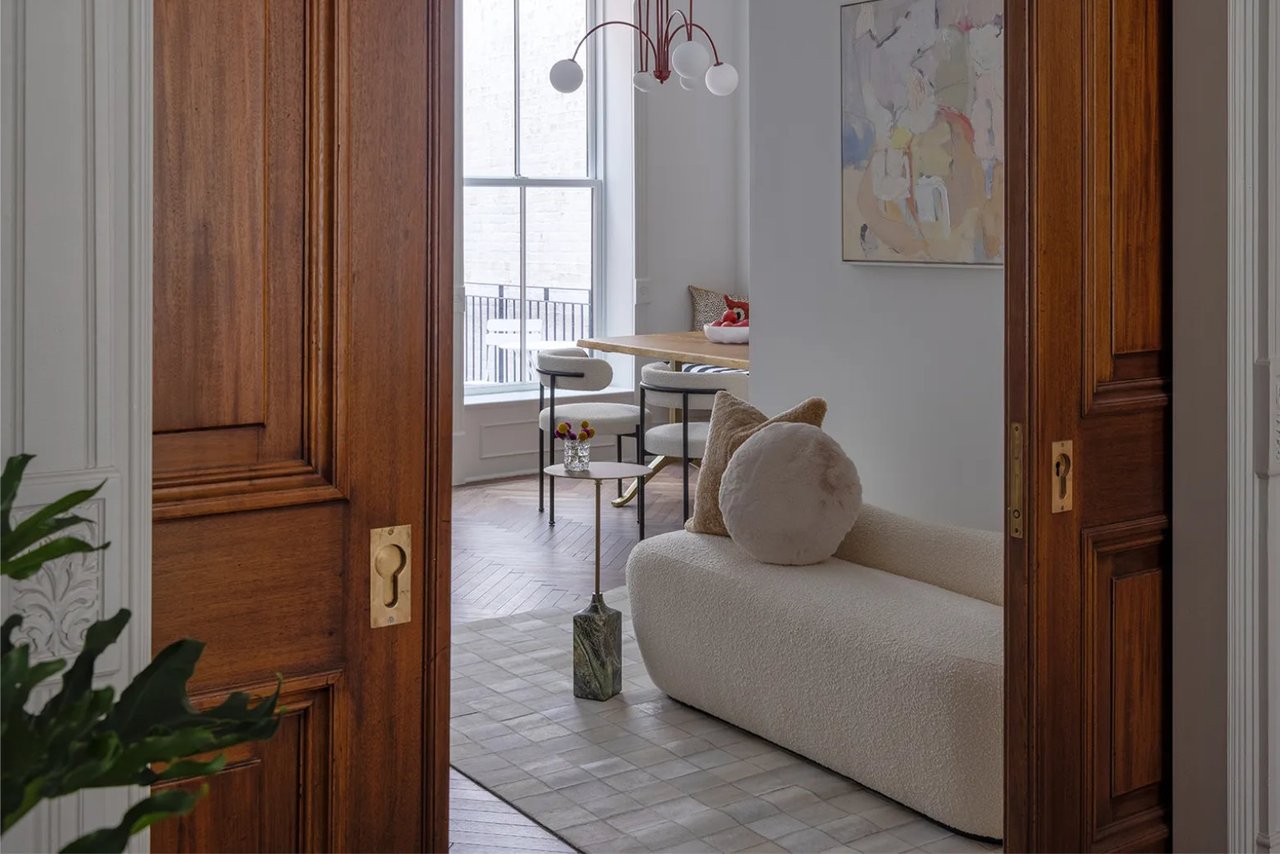
In many Brooklyn brownstones, pocket doors quietly define the flow of a home’s iconic parlor floor. They separate rooms when needed, disappear when space is desired, and serve as a reminder of the thoughtful design that characterized 19th-century architecture.
For homeowners restoring or renovating a brownstone, preserving these doors is not simply a design choice. It’s often a value decision.
The Original Purpose of Pocket Doors
Pocket doors became popular in the mid-to-late 1800s during the peak of brownstone construction in neighborhoods like Park Slope, Carroll Gardens, Brooklyn Heights, and Fort Greene.
Unlike traditional hinged doors, pocket doors slide into the wall cavity, allowing two rooms to function either independently or as one larger space.
In a classic brownstone layout, pocket doors typically separate the front parlor from the rear parlor. This configuration allowed homeowners to host formal gatherings while still maintaining flexibility for everyday living.
Architecturally, pocket doors also created visual drama. When closed, they defined elegant rooms. When open, they revealed long sightlines through the parlor floor—one of the most recognizable features of historic Brooklyn homes.
Today, that flexibility remains just as appealing.
Why Buyers Love Pocket Doors
As a Brooklyn real estate professional working with buyers searching for historic homes, one pattern appears repeatedly: authentic architectural details drive emotional connection.
Pocket doors are one of those details.
Buyers often react immediately when they see original wood doors sliding smoothly into their pockets. The craftsmanship, scale, and materials signal something difficult to replicate in modern construction.
According to reporting from The Wall Street Journal, The New York Times, and The Real Deal, preserved architectural elements continue to influence buyer demand and pricing in historic properties. Authentic details help differentiate a property in a competitive market.
Pocket doors are especially valuable because they represent both design and function.
They create separation between spaces while maintaining the openness many modern buyers want. This balance between privacy and flow makes them particularly attractive in brownstones, where entertaining space is often a key selling point.
The Cost of Removing Original Details
During renovations, homeowners sometimes remove pocket doors in an effort to create a more open floor plan.
While the intention is often to modernize the home, removing original features can unintentionally reduce the architectural integrity of the property.
Brownstone buyers frequently seek homes that retain historic character. When original details disappear, the property may feel less authentic.
The result can be subtle but important. Buyers may not always articulate why a home feels different, but the absence of original craftsmanship changes the emotional impact of the space.
In real estate, emotional connection often drives purchasing decisions.
That is why many preservation experts encourage homeowners to restore rather than remove historic elements whenever possible.
Restoration vs. Replacement
Fortunately, restoring pocket doors is often easier than many homeowners expect.
In some cases, doors were simply sealed behind drywall during past renovations. Contractors and preservation specialists occasionally discover that the doors and tracks still exist within the walls.
When original doors remain, restoration may involve:
• Repairing the track system
• Refinishing wood surfaces
• Rebalancing the sliding mechanism
• Reinstalling period hardware
Even when original doors are missing, reproduction doors can sometimes be created to match historic proportions and materials.
While restoration requires investment, the result is often a home that feels dramatically more authentic—and appealing to buyers.
Architectural Details That Influence Value
Pocket doors are only one example of architectural details that influence value in Brooklyn brownstones.
Other features buyers consistently respond to include:
Marble fireplaces
Original mantels and hearths often anchor parlor rooms and reinforce the historic aesthetic.
Plaster moldings and medallions
Ceiling details create depth and elegance rarely found in contemporary construction.
Wood staircases and balustrades
Original staircases showcase craftsmanship and often serve as the visual centerpiece of the home.
Parquet floors and inlaid wood designs
These floors reflect the artistry of historic builders and add warmth to interior spaces.
Together, these elements form the architectural “language” of a brownstone. Removing too many of them can change the identity of the home entirely.
The Balance Between Modern Living and Historic Preservation
Of course, homeowners still need modern functionality. Kitchens, bathrooms, and mechanical systems often require significant upgrades to meet today’s standards.
The key is balance.
Successful brownstone renovations often follow a simple philosophy:
Preserve the architectural details that define the home while modernizing the spaces that support daily living.
For example, kitchens and bathrooms can be updated while maintaining original millwork, fireplaces, and doors on the parlor level.
This approach allows homeowners to enjoy modern comfort while protecting the character that makes brownstones so desirable.
The Story Behind the Home
Historic homes resonate with buyers because they carry a sense of story.
Every preserved detail—from a carved mantel to a set of pocket doors—connects the present homeowner with the craftsmanship of the past.
When those elements remain intact, the home feels authentic.
As someone who spent many years as a music teacher before entering real estate, I often think about restoration in musical terms.
In music, performers respect the original score. Interpretation matters, but the integrity of the composition remains.
Brownstone restoration follows a similar principle.
You can update, refine, and adapt a space—but preserving the architectural score keeps the performance true to its origins.
What Sellers Should Consider
If you own a Brooklyn brownstone and are considering renovations before selling, think carefully about the architectural features that make your property unique.
Often, buyers are not looking for a completely modernized home.
They are looking for authenticity.
Protecting original elements like pocket doors can help maintain the historical narrative of the property—and potentially strengthen its market appeal.
In many cases, restoration is not just preservation.
It is strategic positioning in the market.
Final Thoughts
Brooklyn brownstones remain some of the most sought-after homes in New York City, in part because of their architectural heritage.
Pocket doors represent more than a design feature. They symbolize the craftsmanship, flexibility, and elegance that define these historic properties.
When preserved, they reinforce the story buyers are hoping to experience when they walk through the front door.
And in a market where character often drives value, that story matters.
Learn more about Brooklyn real estate and historic homes:
https://petermancininyc.com
I’m Peter Mancini — member of REBNY & BNYMLS — delivering excellence in real estate.