Why Plaster Moldings and Ceiling Medallions Still Drive Value in Brooklyn Brownstones
Brooklyn brownstones are known for their timeless elegance, historic craftsmanship, and architectural character. While many buyers notice the sweeping staircases, original woodwork, or dramatic parlor floors, some of the most important details are often found above eye level.
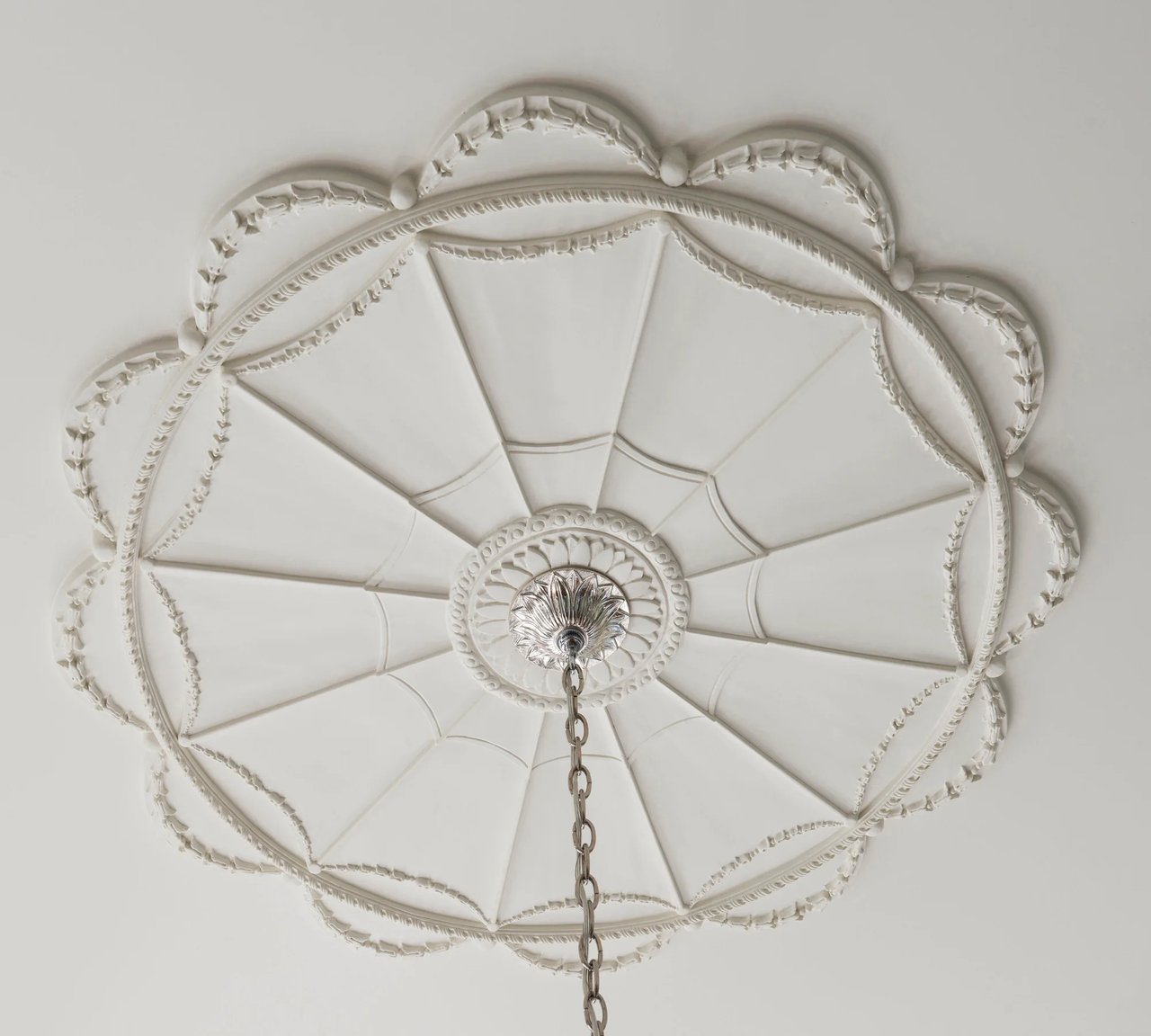
Look up in many historic brownstones and you’ll see intricate plaster moldings and ceiling medallions—handcrafted decorative elements that once framed chandeliers and defined the visual center of a room.
These architectural details are more than decoration. They represent a level of craftsmanship rarely replicated today, and they continue to play a meaningful role in how buyers evaluate historic homes throughout Brooklyn.
For buyers, sellers, and investors exploring the Brooklyn market, understanding the value of these preserved details can make a significant difference when assessing a property.
The History Behind Brownstone Ceiling Details
Most Brooklyn brownstones were built between the mid-1800s and early 1900s, during a time when residential architecture emphasized craftsmanship and artistry.
Homes were designed with formal entertaining spaces, particularly on the parlor floor, where families hosted guests and social gatherings. Because these rooms were meant to impress, builders incorporated decorative plasterwork that framed the ceiling and anchored the room’s lighting fixture.
Ceiling medallions were typically placed at the center of the room, surrounding a chandelier or gas fixture. Moldings were layered around the perimeter of the ceiling, adding dimension and elegance.
Unlike modern materials that are produced in factories, these details were hand-crafted by plaster artisans who specialized in decorative interior work. Each molding and medallion required careful shaping, carving, and installation.
That level of craftsmanship is one reason these features remain so highly valued today.
Why These Details Matter to Today’s Buyers
Modern construction often focuses on efficiency and minimalism. As a result, architectural elements like plaster medallions and ornate moldings are rarely included in new builds.
Because of that, buyers searching for historic homes often see these preserved details as irreplaceable.
When buyers walk into a brownstone parlor and notice the ceiling moldings and medallion, it signals something important:
Authenticity.
It tells them the home still carries the architectural story it was built to tell.
According to reporting from The New York Times, buyers consistently place a premium on historic homes that preserve original craftsmanship and architectural integrity.
Similarly, coverage from The Real Deal highlights how historic Brooklyn townhouses continue to command strong demand, particularly when original design elements remain intact.
These details help distinguish historic properties from renovated homes that may have lost some of their original character.
Architectural Integrity and Market Appeal
In Brooklyn neighborhoods like Park Slope, Carroll Gardens, Cobble Hill, and Boerum Hill, many buyers are specifically searching for homes that retain their original architectural identity.
That includes:
-
Marble fireplaces
-
Pocket doors
-
Original woodwork
-
Parlor floor proportions
-
And decorative plaster moldings and medallions
When these elements are preserved, they help create a cohesive historic interior that feels authentic.
This authenticity often translates into stronger emotional reactions from buyers during showings.
And in real estate, emotional connection frequently drives stronger offers.
Preserved architectural details tell buyers that the home has been respected and maintained over time.
For sellers, that perception can play a powerful role in positioning a property within the market.
The Cost of Recreating These Features
Another reason these details matter is simple economics.
Recreating original plasterwork today can be extremely expensive.
Specialized artisans must replicate historic molds, produce the plaster by hand, and install the details carefully to match the architecture of the room.
Depending on complexity, restoring or recreating moldings and medallions can cost thousands to tens of thousands of dollars.
Because of that, many buyers prefer homes where these features have already been preserved rather than removed during renovations.
In many cases, buyers understand that once these architectural details disappear, they are difficult—and costly—to restore.
Restoration vs. Replacement
For homeowners renovating brownstones, the goal is usually restoration rather than replacement.
That means carefully repairing existing plasterwork rather than removing it.
Experienced restoration contractors can often stabilize cracked moldings, rebuild damaged medallions, and restore missing sections using traditional techniques.
This approach protects both the visual integrity of the home and its historic value.
In Brooklyn’s brownstone market, homes that maintain their architectural details often stand out during listing launches and showings.
Why These Details Define the Brownstone Experience
Brooklyn brownstones offer something unique compared to modern homes.
They were built during a time when residential architecture was meant to feel expressive and grand.
The layered plaster moldings, ornate medallions, tall ceilings, and dramatic proportions all work together to create an interior experience that feels timeless.
When buyers walk into a brownstone parlor and see a beautifully preserved ceiling medallion framing a chandelier, the room immediately feels complete.
It becomes a visual focal point that anchors the entire space.
In many ways, these details function like the final notes in a musical composition.
They bring harmony to the room.
What Buyers Should Look For
For buyers evaluating historic Brooklyn homes, it’s worth paying attention to the ceiling.
Key signs of preserved plasterwork include:
• Crisp molding lines and layered ceiling trim
• Original medallions centered around chandeliers
• Consistency across rooms
• Careful restoration rather than replacement materials
These details help confirm that the home still reflects its original architectural design.
Buyers interested in learning more about Brooklyn brownstones and historic homes can explore additional market insights at:
The site includes neighborhood guides, architectural insights, and listings throughout Brooklyn.
The Ceiling Tells a Story
In real estate, buyers often focus on square footage, layout, and finishes.
But in historic homes, architectural details tell a deeper story.
Plaster moldings and ceiling medallions remind us of the artisans who built these homes more than a century ago.
They reflect a time when craftsmanship mattered and when residential architecture was designed to create a sense of elegance and permanence.
And today, those same details continue to influence how buyers perceive—and value—Brooklyn brownstones.
Sometimes, the history of a home isn’t written in the floor plan.
Sometimes it’s written in the ceiling.
Peter Mancini
Licensed Associate Broker
Keller Williams Empire
Explore Brooklyn real estate insights and listings:
https://petermancininyc.com