Why Original Woodwork Still Drives Value in Brooklyn Brownstones
Brooklyn brownstones are celebrated for their timeless architecture, historic charm, and distinctive interiors. While many design elements contribute to their appeal, one feature consistently stands out to buyers and preservationists alike: original woodwork.
From intricately carved staircases to handcrafted banisters and decorative moldings, these details represent a level of craftsmanship rarely seen in modern construction. In neighborhoods such as Park Slope, Carroll Gardens, Cobble Hill, and Brooklyn Heights, original millwork is more than just a decorative feature—it’s an important factor that can significantly influence property value.
For homeowners considering a renovation, understanding the importance of preserving original woodwork can help protect both the architectural integrity and long-term value of a Brooklyn brownstone.
The Craftsmanship Behind Historic Brownstones
Many Brooklyn brownstones were built in the late 19th and early 20th centuries, during a time when skilled artisans shaped architectural elements entirely by hand. Builders and craftspeople used solid hardwoods—often oak, walnut, mahogany, or chestnut—to create elaborate staircases, door frames, moldings, and paneling.
These pieces were not mass-produced. Each detail required time, precision, and craftsmanship.
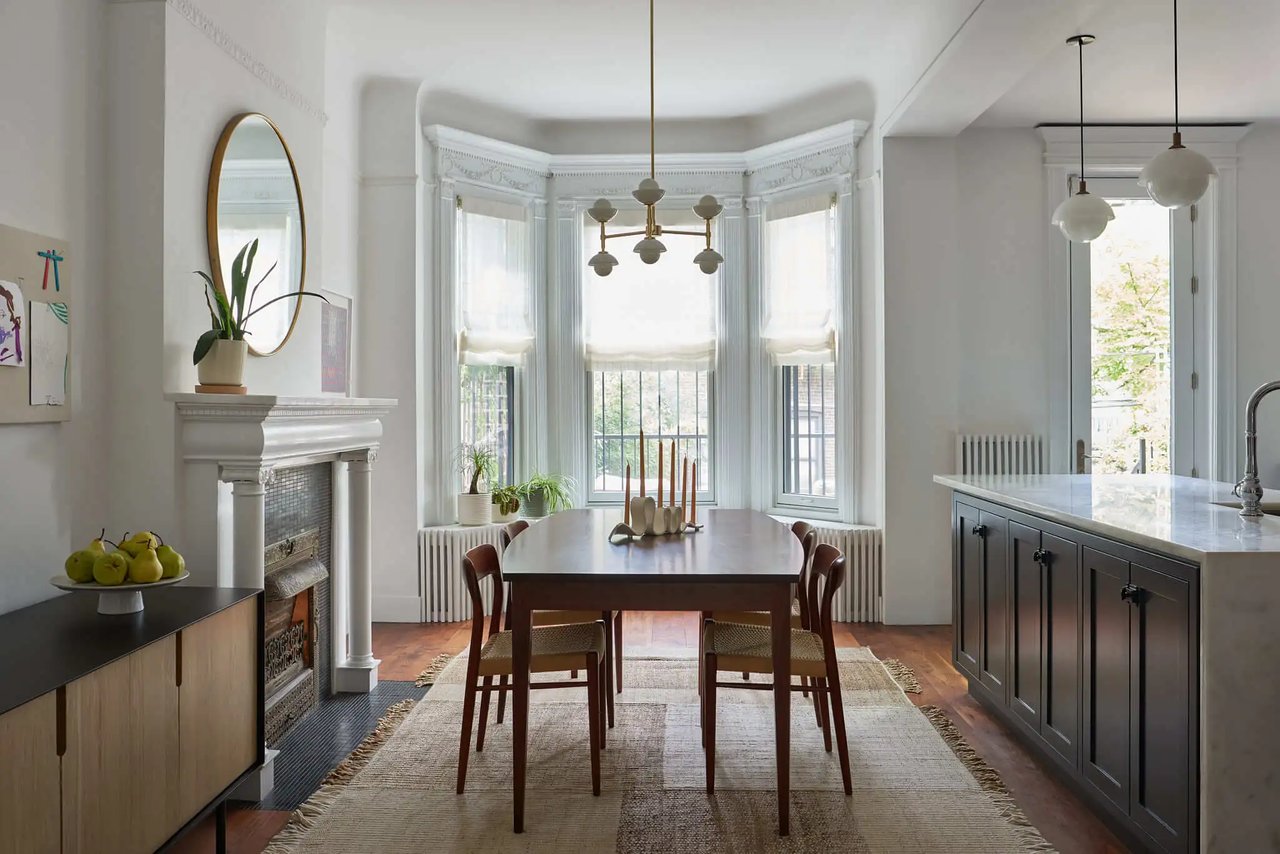
When you walk into a historic brownstone and see a sweeping staircase with a carved banister or detailed crown moldings framing a parlor room, you are looking at work created by skilled tradespeople more than a century ago.
That craftsmanship is part of what gives Brooklyn brownstones their unmistakable character.
Today, replicating that level of detail can be extremely expensive. Custom millwork, hand carving, and specialty finishes often require skilled artisans who are increasingly rare. For many homeowners, restoring original woodwork is not only more authentic—it is also more practical than attempting to recreate it from scratch.
Why Buyers Notice Original Woodwork Immediately
In today’s real estate market, buyers are often searching for homes with character and authenticity. Modern renovations may offer convenience, but historic details often provide the emotional connection that makes a property truly memorable.
Original woodwork plays a major role in creating that connection.
When buyers step into a brownstone and see preserved millwork, they often feel an immediate sense of history and craftsmanship. The warmth of natural wood tones, the depth created by intricate carvings, and the architectural rhythm of moldings and paneling all contribute to a sense of authenticity that modern construction rarely achieves.
According to reporting from The New York Times, buyers in historic neighborhoods increasingly prioritize architectural details that reflect the original design of a home. These preserved elements help differentiate properties in competitive markets.
Similarly, coverage from The Real Deal has highlighted the continued demand for historic homes that maintain original design elements. In Brooklyn’s most sought-after neighborhoods, these details can be a defining factor in how buyers perceive value.
Architectural Integrity Matters
Beyond aesthetics, original woodwork contributes to the overall architectural integrity of a brownstone.
Historic homes were designed with specific proportions and materials that worked together to create a cohesive interior environment. The scale of the staircase, the framing of the doorways, and the decorative moldings all contribute to the visual balance of the space.
Removing original millwork can disrupt that balance.
In some renovations, homeowners remove staircases, paneling, or moldings in favor of minimalist or modern designs. While this approach may suit certain tastes, it can also strip the home of the very character that makes it unique.
In many cases, preserving and restoring these elements creates a better long-term outcome—both aesthetically and financially.
Restoration vs. Replacement
For homeowners planning renovations, the question often becomes whether to restore original woodwork or replace it with modern alternatives.
Whenever possible, restoration is usually the preferred approach.
Professional restoration specialists can repair damaged wood, refinish surfaces, and even reconstruct missing elements using traditional techniques. This process often allows homeowners to maintain authenticity while still updating the home for modern living.
Replacement, by contrast, can be difficult to execute convincingly. Even high-end reproductions often lack the subtle details that define historic craftsmanship.
As a result, many preservation experts encourage homeowners to think carefully before removing original architectural features.
Historic Details and Market Value
In Brooklyn’s competitive housing market, historic details can directly influence property value.
Buyers searching for brownstones often expect to see certain elements preserved, particularly on the parlor floor where entertaining spaces were traditionally located. Original staircases, wood paneling, and decorative moldings help reinforce the architectural narrative of the home.
When these features remain intact, they can enhance both perceived and actual market value.
Listings that highlight preserved details often attract stronger buyer interest, particularly among buyers who specifically seek historic homes.
Real estate professionals frequently note that brownstones with well-preserved architectural features tend to stand out during showings and open houses. Buyers often view these homes as more authentic, more distinctive, and ultimately more desirable.
Balancing History with Modern Living
Preserving original woodwork does not mean sacrificing modern convenience.
Many successful brownstone renovations carefully balance historic character with contemporary upgrades. Kitchens and bathrooms can be modernized, mechanical systems updated, and layouts improved—all while maintaining the architectural framework that defines the home.
The goal is to enhance the property without erasing its history.
When renovations respect original design elements, the result is often a home that feels both timeless and functional.
A Defining Feature of Brooklyn Real Estate
Brooklyn brownstones remain some of the most iconic properties in New York City. Their stoops, parlor floors, and historic facades have become symbols of the borough’s architectural heritage.
Inside these homes, original woodwork plays a central role in preserving that identity.
Whether it’s a sweeping staircase that anchors the entryway or decorative moldings framing a parlor room, these details connect modern homeowners to the craftsmanship of the past.
For buyers, sellers, and homeowners alike, understanding the value of these features is essential when making decisions about restoration and renovation.
Final Thoughts
Original woodwork is more than a design detail—it’s a defining characteristic of Brooklyn brownstones.
These handcrafted elements reflect a level of artistry and craftsmanship that is increasingly rare in modern construction. Preserving them helps protect the authenticity, architectural integrity, and market value of historic homes.
For anyone considering buying, selling, or restoring a brownstone, recognizing the importance of these features can make a significant difference in both the experience of living in the home and its long-term value.
If you’re interested in learning more about Brooklyn brownstones, historic properties, or the Brooklyn real estate market, visit
https://petermancininyc.com for additional insights and resources.