Why Brownstone Stoops Still Matter in Brooklyn Real Estate
Brooklyn brownstones are among the most recognizable residential buildings in New York City. From Park Slope and Carroll Gardens to Brooklyn Heights and Fort Greene, their architectural details continue to define entire neighborhoods. Among these features, one stands out as both practical and symbolic: the brownstone stoop.
To many buyers, the stoop is the first thing they imagine when picturing brownstone living. It’s not just a set of stairs. It represents the entrance, the neighborhood connection, and the lifestyle associated with historic Brooklyn homes.
Understanding why stoops were built—and why they remain so desirable today—helps explain why brownstones continue to command strong buyer demand in Brooklyn real estate.
Learn more about Brooklyn homes and architecture at
https://petermancininyc.com
The Architectural Purpose of the Brownstone Stoop
The brownstone stoop was originally designed in the mid-to-late 19th century as a practical solution for city living.
During that time, New York City homes often placed service areas such as kitchens and storage spaces on the garden or basement level. The main living areas—where families entertained guests—were elevated to what we now call the parlor floor.
The stoop served as the bridge between the street and this elevated living level.
By raising the primary entrance above the sidewalk, architects achieved several goals:
• Protection from street noise and debris
• Improved light and ventilation for lower floors
• Greater privacy for the main living spaces
• A sense of architectural drama and arrival
These design principles helped shape the distinctive layout still found in many Brooklyn brownstones today.
The New York Times has explored how historic architecture like brownstones continues to shape neighborhood identity and buyer demand in Brooklyn’s most desirable areas.
https://www.nytimes.com
The Stoop as a Social Space
While the stoop was originally designed for functional reasons, it quickly became something more.
In Brooklyn neighborhoods, stoops evolved into informal gathering spaces. Residents sat outside on warm evenings, spoke with neighbors, watched children play, and participated in the daily rhythm of street life.
This tradition helped create what many people refer to today as “stoop culture.”
Unlike high-rise apartment buildings, brownstones naturally encourage interaction between residents and the street. The stoop acts as a transition zone—neither fully private nor fully public.
That subtle design element plays an important role in the feeling of community that defines many historic Brooklyn neighborhoods.
Why Buyers Still Love Stoops Today
In modern Brooklyn real estate, stoops remain one of the most recognizable features of a brownstone.
Buyers consistently associate them with the architectural charm and historic authenticity they’re seeking when purchasing these homes.
There are several reasons stoops continue to appeal to today’s buyers.
1. Curb Appeal and Street Presence
A well-preserved stoop creates immediate visual impact.
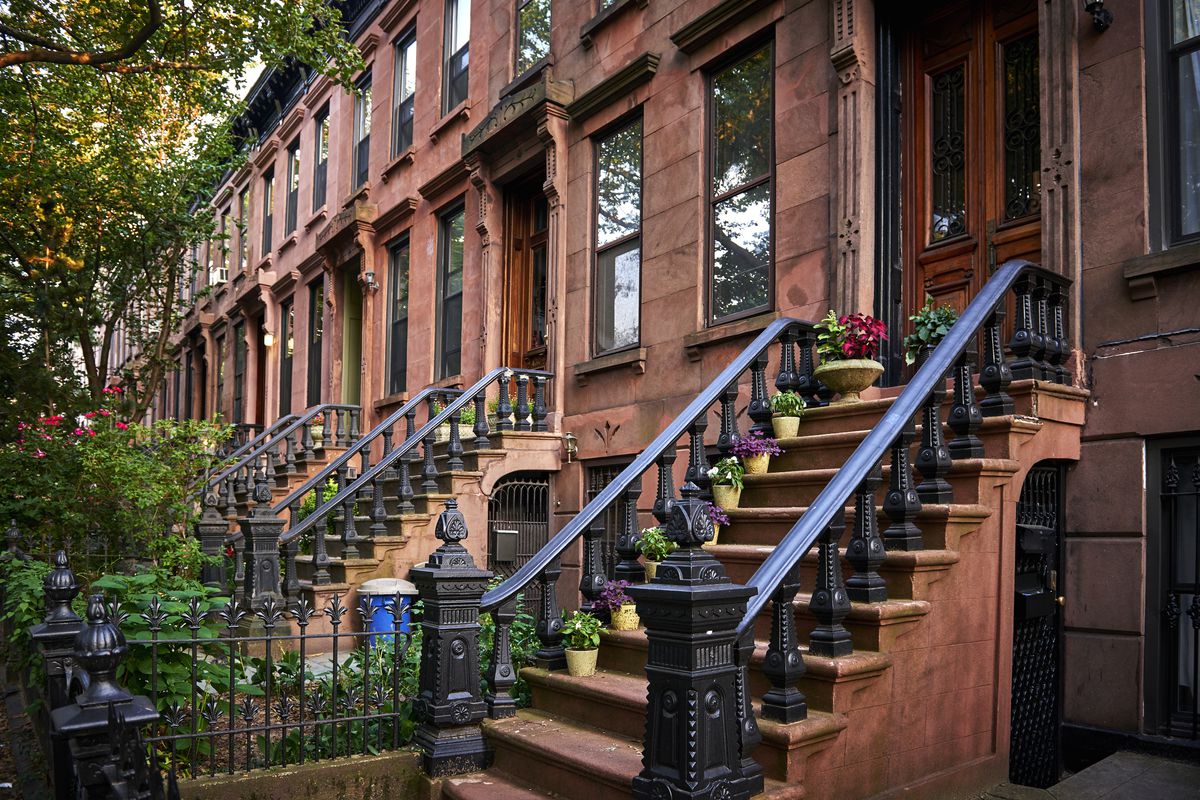
The raised entry, decorative iron railings, and carved brownstone steps add architectural character that modern buildings often lack.
From a marketing perspective, stoops create a strong first impression during showings and open houses.
2. A Sense of Arrival
Every home has an entry moment.
In a brownstone, that moment happens as you walk up the stoop.
The elevation, symmetry, and visual framing of the doorway create a sense of transition from the public street to the private home.
Architecturally, this creates a feeling of scale and elegance that buyers notice immediately.
3. Outdoor Living in the City
For many homeowners, the stoop functions as a small outdoor retreat.
Residents often sit outside with coffee in the morning, relax in the evening, or greet neighbors passing by.
In dense urban environments like Brooklyn, these small outdoor spaces become incredibly valuable.
4. Historic Authenticity
Brooklyn brownstones are prized for their preserved architectural details. These may include:
• Marble fireplaces
• Original woodwork
• Pocket doors
• Plaster moldings
• Ceiling medallions
• Brownstone stoops
When these elements remain intact, they reinforce the historic authenticity that buyers expect from brownstone properties.
According to reporting from The Real Deal, historic townhouses with preserved architectural details often command strong demand and premium pricing in competitive Brooklyn markets.
https://therealdeal.com
The Stoop and Brownstone Identity
Beyond practical benefits, the stoop has become an enduring symbol of Brooklyn itself.
Film, television, photography, and literature frequently depict brownstone stoops as part of everyday city life.
From neighborhood conversations to block gatherings, stoops help create the streetscape experience that people associate with classic Brooklyn neighborhoods.
This cultural symbolism plays a subtle role in real estate demand.
When buyers imagine owning a brownstone, they are often imagining more than the interior of the home—they are imagining the lifestyle that surrounds it.
The stoop becomes part of that vision.
Stoop Preservation and Property Value
For homeowners considering renovations, preserving a stoop can be an important factor in maintaining both architectural integrity and resale value.
In many historic districts across Brooklyn, stoop restoration must follow guidelines established by the New York City Landmarks Preservation Commission.
Maintaining original materials and proportions helps ensure that renovations respect the historical character of the building.
From a market perspective, buyers often respond strongly to homes that preserve original design features rather than removing them.
Brooklyn Neighborhoods Where Stoops Define the Streetscape
While brownstones exist throughout Brooklyn, certain neighborhoods are especially known for their iconic stoops.
These include:
• Park Slope
• Brooklyn Heights
• Carroll Gardens
• Fort Greene
• Cobble Hill
• Bedford-Stuyvesant
In these areas, entire blocks of historic brownstones create cohesive architectural streetscapes that attract buyers from around the world.
These neighborhoods continue to represent some of the most desirable residential markets in Brooklyn real estate.
The Lifestyle Behind the Architecture
At first glance, a stoop may seem like a simple architectural detail.
But in Brooklyn, it represents something larger.
It reflects the way historic homes were designed to interact with the street. It encourages neighborly connection. And it reinforces the architectural identity that makes Brooklyn neighborhoods so distinctive.
For many buyers, the dream of owning a brownstone begins not inside the home—but on the stoop.
It’s the first moment of arrival. The first visual impression. And often the place where daily life unfolds.
Brooklyn Brownstones and the Future of Historic Living
As Brooklyn continues to grow and evolve, historic homes remain an important part of the borough’s housing landscape.
While modern developments bring new housing options, brownstones continue to attract buyers who value craftsmanship, character, and architectural history.
Features like stoops remind us that thoughtful design can shape not only buildings—but also community life.
For homeowners, buyers, and sellers alike, understanding these details helps reveal why Brooklyn brownstones remain some of the most desirable properties in New York City.
Explore more insights about Brooklyn real estate and historic homes at
https://petermancininyc.com