If you are thinking about life in a Downtown Brooklyn high-rise, you are probably asking a simple question: what does day-to-day living actually feel like once the views and amenities become routine? That is a smart question, especially in a neighborhood that moves as fast as Downtown Brooklyn. From commuting and grocery runs to noise levels and weekend reset spots, here is what you can expect from everyday life in one of Brooklyn's most vertical, connected neighborhoods. And if you want a closer look at specific buildings or listings, a top Brooklyn real estate agent like Peter Mancini can walk you through what's actually available right now.
Downtown Brooklyn feels active all day
Downtown Brooklyn is not a tucked-away residential pocket. City planning materials describe it as Brooklyn’s civic and commercial core, and Downtown Brooklyn Partnership identifies it as New York City’s third largest business district.
That scale shapes daily life. With about 45,000 residents, 74,000 employees, 43,000 college students, and 15 million annual visitors, the area has a steady rhythm from morning through evening. In practical terms, your neighborhood can feel busy at breakfast, lunch, and after work, not just during rush hour.
High-rise living means a true urban routine
One of the biggest draws of a Downtown Brooklyn tower is the ability to live an elevator-down lifestyle. You can leave your building and quickly reach transit, groceries, pharmacies, food halls, plazas, and everyday services without needing a car.
That convenience is a major part of the appeal. Downtown Brooklyn is one of the few places in Brooklyn where a modern high-rise can support a walk-everywhere routine in a very real way.
Transit becomes part of your daily flow
For many residents, transit is not just a perk. It is part of the structure of the day. Downtown Brooklyn is served by major subway access, Atlantic Terminal LIRR service, and multiple bus connections, so getting around is usually more about choosing your route than finding one.
The biggest transit anchors are Atlantic Av-Barclays Ctr, Jay St-MetroTech, and Borough Hall. Together, those hubs connect the neighborhood to a wide range of subway lines and commuter rail, which is a major advantage if your work, family, or social life takes you across Brooklyn, Manhattan, or beyond.
What commuting usually feels like
The upside is obvious: excellent access. The tradeoff is that some stations and nearby intersections can feel crowded, especially during peak hours. MTA materials describe Jay St-MetroTech as a busy transfer hub, and city transportation studies note congestion on local roadways.
That means subway access is strong, but the street-level experience can feel slower than the map suggests. You may be very well connected, but you should still expect crowded corners, busy station entrances, and a lot of movement around major corridors.
Event nights add extra energy
If you live near Atlantic Avenue or Flatbush Avenue, Barclays Center can affect the mood of the block. Games and concerts can bring noticeable surges in foot traffic, especially around the Atlantic Terminal and Barclays area.
For some buyers, that extra energy is part of the fun. For others, it is something to factor into building and block selection. The key is understanding that the neighborhood can shift from busy to much busier on event nights.
Errands are easy to do on foot
One of the most practical benefits of living in Downtown Brooklyn is how simple everyday errands can be. The neighborhood has a strong convenience layer, with City Point serving as a major destination for shopping, food, and entertainment.
City Point includes Target, Trader Joe’s, and DeKalb Market Hall, which gives residents easy access to both essentials and quick dining options. Downtown Brooklyn Partnership also lists an ALDI on Fulton Street and a CVS Pharmacy on Flatbush Avenue, adding to the neighborhood’s day-to-day functionality.
Food options fit busy schedules
If you have a packed weekday, this kind of setup can make a real difference. You can pick up groceries, grab prepared food, or take care of household basics without planning a separate trip across town.
That is one reason high-rise living here appeals to buyers who value efficiency. The neighborhood supports daily routines that are fast, flexible, and mostly walkable.
Public spaces make quick breaks easier
Dense neighborhoods work better when there is somewhere to pause. Albee Square adds that kind of everyday breathing room with seating, trees, free Wi-Fi, public performances, and a farmers market in warmer months.
There is also the Brooklyn Borough Hall Greenmarket, which operates year-round on Tuesdays and Saturdays. For residents, that creates a recurring fresh-food option that fits into a walk-first routine.
Parks help balance the high-rise pace
A tower lifestyle can feel efficient and exciting, but it can also feel intense if you never step away from concrete, traffic, and crowds. That is why nearby parks matter so much in Downtown Brooklyn.
Fort Greene Park offers more than 30 acres with playgrounds, tennis courts, dog-friendly areas, restrooms, and Wi-Fi hotspots. Cadman Plaza Park adds a different feel, with a large central lawn and shaded pathways that are often used by pedestrians and dog walkers.
Why outdoor access matters here
These parks give you a practical reset. Whether you want a morning walk, a place to sit with coffee, or room to move around on the weekend, they provide a softer counterpoint to high-rise life.
In a neighborhood built around density and motion, having green space nearby can make the overall living experience feel more balanced.
Street noise depends on the block
A common question about Downtown Brooklyn high-rises is whether they are noisy. The honest answer is that many of the liveliest blocks are near major corridors such as Atlantic Avenue, Flatbush Avenue, Fulton Street, and Jay Street, as well as near Barclays Center.
That does not mean every block feels the same. But in general, the closer you are to the busiest transit and retail corridors, the more likely you are to notice a louder, more active street edge.
Convenience usually comes with tradeoffs
This is one of the central tradeoffs of the neighborhood. You are choosing access, activity, and proximity to services, which can mean giving up some quiet compared with lower-density parts of Brooklyn.
For many buyers, that is a worthwhile exchange. The key is matching your building and block to your comfort level, daily habits, and schedule.
Building amenities can shape daily life
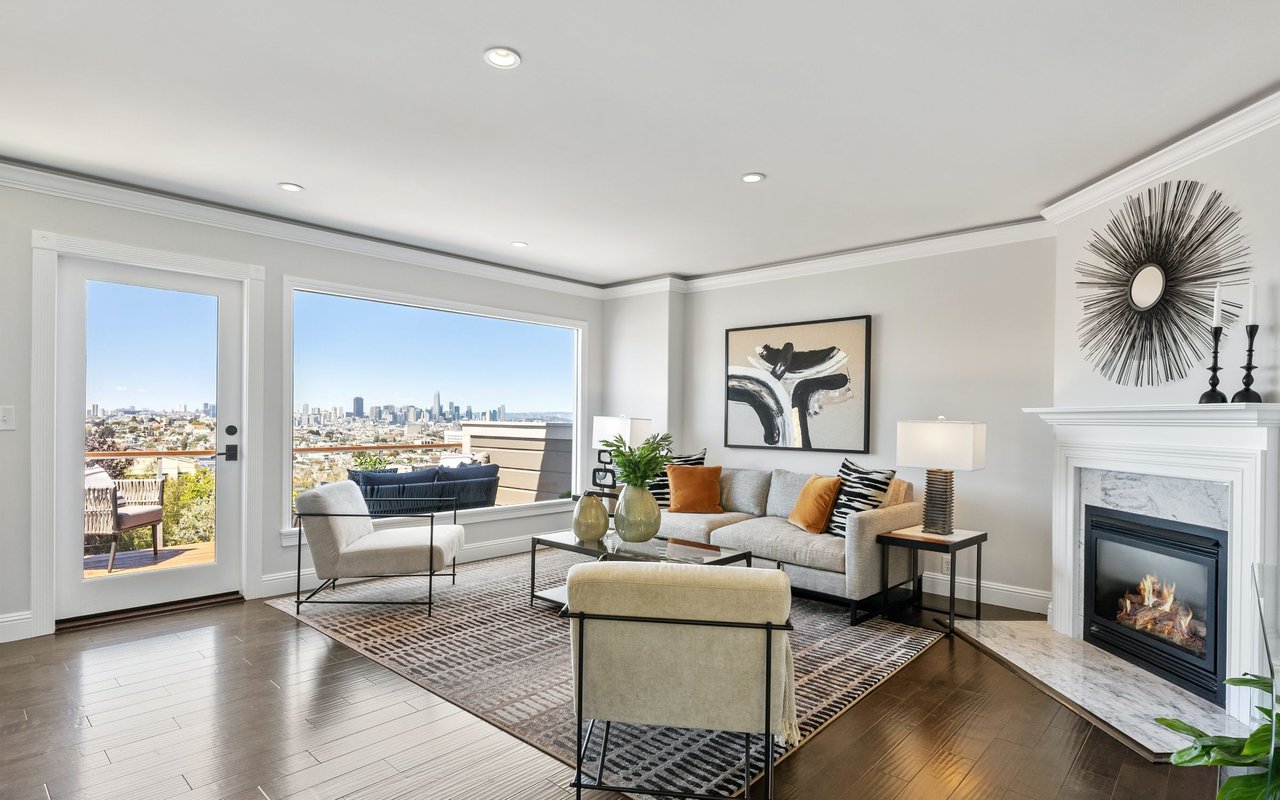
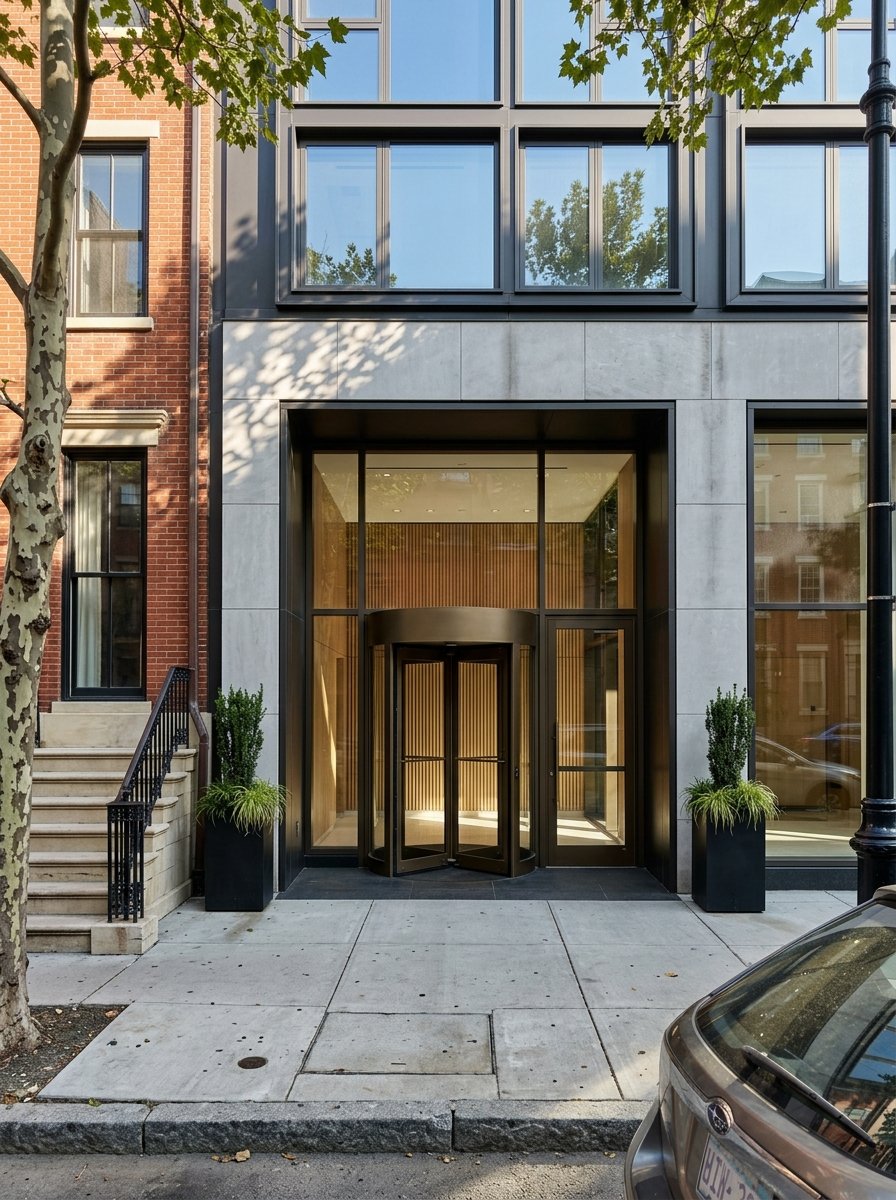
Inside the building, the experience may feel very different from the sidewalk outside. Newer towers in Downtown Brooklyn often offer extensive amenities that support a full-service lifestyle.
Examples in the local market include outdoor pools, fitness centers, resident lounges, landscaped roof decks, package rooms, pet-focused amenities, and 24-hour doorman or concierge service. Not every building offers the same package, but full-service living is a clear part of the neighborhood’s high-rise appeal.
Amenities can change how you use your home
For some residents, amenities are occasional bonuses. For others, they become part of the weekly routine, like using the gym before work, meeting friends on a roof deck, or relying on attended package handling.
When you are comparing buildings, it helps to think beyond the brochure. Ask yourself which features you would actually use on a normal Tuesday, not just on move-in day.
Nearby brownstone blocks offer a change of pace
One of Downtown Brooklyn’s most interesting strengths is what sits just beyond it. City planning and zoning materials describe the area as a transition between the commercial core and nearby lower-scale residential neighborhoods such as Fort Greene, Boerum Hill, Cobble Hill, and Brooklyn Heights.
That matters because your daily routine does not have to stay inside the high-rise core. A short walk can take you from glass towers and major intersections to tree-lined blocks and historic rowhouse streets.
You can have both energy and calm
For many buyers, that contrast is part of the appeal. You get the convenience of a dense downtown setting, but you are also close to quieter residential areas when you want a slower pace.
That mix makes Downtown Brooklyn feel more flexible than people sometimes expect. It is not just about living high above the street. It is also about how easily you can move between different neighborhood experiences.
Who tends to enjoy this lifestyle most
Downtown Brooklyn high-rise living often works well for people who value convenience, transit access, and modern building services. If you like being able to run errands on foot, reach multiple train lines quickly, and have amenities in your building, this neighborhood checks a lot of boxes.
It may be a less natural fit if your top priority is a consistently quiet, low-traffic block. In that case, your exact location and building choice become especially important.
The everyday takeaway
Living in a Downtown Brooklyn high-rise usually means choosing ease, access, and momentum. Your days may start with a quick elevator ride, continue through a fast grocery stop or train transfer, and end with a walk to a park, food hall, or nearby brownstone block for a change of scenery.
It is not a quiet village, and it is not trying to be. It is a modern, transit-first, walkable part of Brooklyn where convenience shapes daily life in a very tangible way.
If you are weighing Downtown Brooklyn against brownstone neighborhoods or other condo markets, the right choice often comes down to how you want your day to feel. If you want help comparing buildings, blocks, and lifestyle tradeoffs across Brooklyn, The Signature Team can help you make sense of the options.
FAQs
What is daily transit like in a Downtown Brooklyn high-rise?
- Daily transit is one of the biggest advantages, with access to major subway hubs like Atlantic Av-Barclays Ctr, Jay St-MetroTech, and Borough Hall, plus Atlantic Terminal LIRR service and multiple bus connections.
What are errands like near Downtown Brooklyn high-rise buildings?
- Errands are highly walkable for many residents, with groceries, pharmacy options, shopping, and food destinations such as City Point, Trader Joe’s, Target, ALDI, CVS, and DeKalb Market Hall nearby.
How noisy is life in a Downtown Brooklyn high-rise?
- Noise levels often depend on the block, but areas near Atlantic Avenue, Flatbush Avenue, Fulton Street, Jay Street, and Barclays Center tend to feel busier because of transit activity, retail traffic, and event-related crowds.
What amenities do Downtown Brooklyn high-rises usually offer?
- Many newer buildings offer full-service features such as fitness centers, roof decks, lounges, pools, package rooms, and doorman or concierge service, though the exact amenity package varies by building.
Are there parks near Downtown Brooklyn high-rise buildings?
- Yes, nearby outdoor options include Fort Greene Park and Cadman Plaza Park, which give residents access to green space, walking paths, and a calmer setting close to the neighborhood core.
How does Downtown Brooklyn compare with nearby brownstone neighborhoods?
- Downtown Brooklyn generally feels denser and more fast-paced, while nearby areas like Boerum Hill, Fort Greene, and Brooklyn Heights can offer a quieter, lower-rise street experience within a short walk.