

When I trained as a tenor, one lesson was reinforced over and over again: the smallest details can change the entire performance.
A breath taken too late.
A cue missed by half a second.
A phrase that doesn’t quite resolve.
The audience may not always know why something feels off—but they feel it.
Brooklyn real estate works the same way.
For years, buyers were taught to focus on the loud metrics: square footage, bedroom count, headline renovations. Those still matter—but they no longer tell the whole story. Today’s Brooklyn buyers are more discerning, more informed, and more emotionally aware than ever before. They’re not just buying space; they’re buying how a home lives.
According to reporting and market analysis from The Wall Street Journal, The New York Times, and The Real Deal, buyer behavior has shifted toward everyday conveniences and quality-of-life features—details that don’t always photograph well, but absolutely influence demand, pricing power, and offers.
In Brooklyn, value isn’t always loud.
It’s often subtle.
Why Square Footage No Longer Tells the Full Story
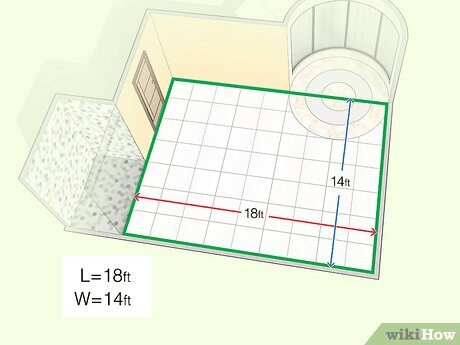
Square footage is easy to measure.
Livability is not.
Two apartments can be the same size on paper and feel completely different in real life. One flows effortlessly. The other feels tight, awkward, or inefficient. Buyers notice this immediately—even if they can’t articulate it in a showing.
Recent coverage in the Wall Street Journal highlights how post-pandemic buyers place increased value on functionality, flexibility, and comfort. Brooklyn buyers, in particular, are asking deeper questions:
- How does the space function day to day?
- Where does light enter—and when?
- Can the apartment adapt as life changes?
These questions don’t show up in listing descriptions, but they show up in offers.
The Details Buyers Feel Before They Can Explain
Some of the most powerful value drivers in Brooklyn real estate are things buyers feel instinctively within the first few minutes of a showing.
1. Natural Light and Orientation
South- and west-facing exposures continue to command premiums—not just for brightness, but for mood, energy, and warmth. Buyers linger longer in sun-filled apartments. They imagine themselves there more easily. According to the New York Times, light consistently ranks as one of the most emotionally influential factors in buyer decision-making.
2. Layout Efficiency
A well-laid-out 900-square-foot apartment often outperforms a poorly designed 1,100-square-foot one. Hallways that waste space, awkward room transitions, or kitchens cut off from living areas quietly erode perceived value. Buyers may not say it outright—but they hesitate.
3. Storage (Or the Lack of It)
Brooklyn buyers live real lives. Strollers, bikes, coats, instruments, work gear—storage matters. Closets, basement cages, bike rooms, and in-unit laundry don’t always photograph well, but they absolutely influence willingness to pay.
Building Quality: The Unseen Multiplier
The Real Deal frequently reports that buyers are placing renewed emphasis on building operations, especially in co-ops and condominiums. Strong financials, proactive management, and well-maintained common areas reduce friction—and friction kills deals.
Buyers today look beyond finishes and ask:
- Is the building well-run?
- Are there upcoming assessments?
- How responsive is management?
A solid building doesn’t just protect value—it amplifies it.
Neighborhood Convenience as Everyday Luxury
Luxury in Brooklyn doesn’t always mean marble and brass. Often, it means ease.
- Proximity to transit.
- A reliable grocery store.
- Parks within walking distance.
- Quiet side streets with active street life.
The New York Times has repeatedly noted that walkability and neighborhood rhythm influence buyer satisfaction long after closing day. These elements don’t show up in listing photos, but buyers feel them immediately when they imagine their daily routines.
Why These Details Matter More in Brooklyn Than Anywhere Else
Brooklyn is not a one-note market. Each neighborhood—and often each block—has its own rhythm. Buyers who move here are choosing a lifestyle, not just a residence. That makes subtle details disproportionately powerful.
In music, a well-timed pause can say more than a loud note.
In real estate, a thoughtfully designed space often outperforms a flashy one.
In real estate, a thoughtfully designed space often outperforms a flashy one.
Understanding these nuances is what separates transactional advice from true representation.
Strategy for Sellers: How to Leverage the Subtle
For sellers, recognizing these quiet value drivers can shape smarter decisions:
- Emphasize flow and function in marketing—not just finishes
- Stage for livability, not just aesthetics
- Address small friction points before they become buyer objections
According to the Wall Street Journal, homes that feel “easy to live in” often sell faster and closer to ask—even in shifting markets.
Strategy for Buyers: How to Read Between the Lines
For buyers, learning to identify these details early helps you compete more effectively. Instead of chasing surface-level upgrades, look for homes with strong fundamentals:
- Good light
- Smart layouts
- Solid buildings
- Livable neighborhoods
These are the homes that hold value—and often outperform over time.
Final Thought: Why Subtlety Wins
When I was training as a tenor, I learned that the audience responds most strongly not to force—but to control. Precision. Intention.
Brooklyn real estate rewards the same discipline.
The homes that win aren’t always the loudest listings. They’re the ones that quietly feel right. And when buyers feel that, they act decisively.
Because in Brooklyn, value isn’t always obvious.
It’s often understated—and deeply felt.
I’m Peter Mancini, member of REBNY & BNYMLS — delivering A Signature Experience.
If you’re buying, selling, or investing in Brooklyn and want guidance rooted in strategy—not noise—I’m here to help.