The Inspection Moment: Why Brooklyn Real Estate Deals Are Won or Lost Before the Report Arrives
In music, one wrong note can change an entire performance.
In Brooklyn real estate, the home inspection works the same way.
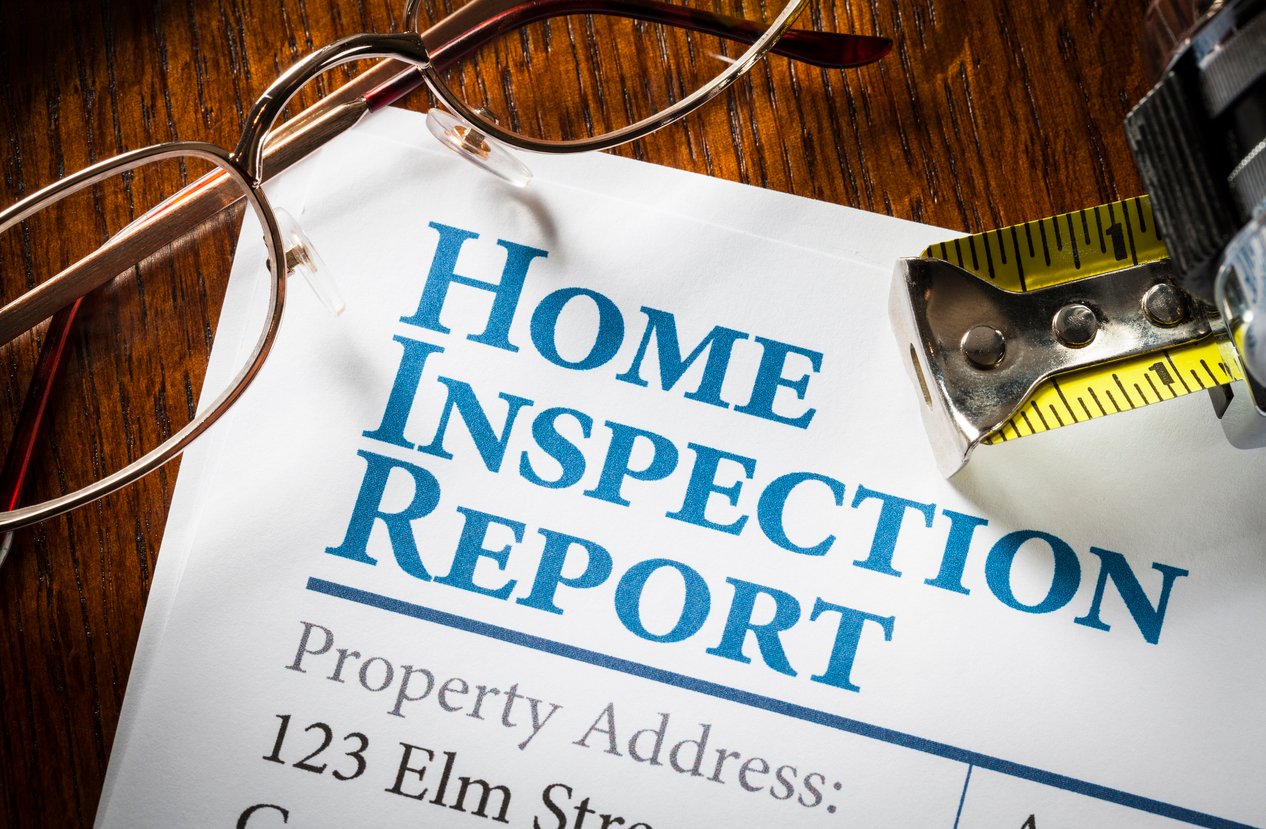
It’s rarely the listing price that derails a deal—it’s what’s discovered after an offer is accepted. For buyers and sellers across Brooklyn, the inspection has quietly become one of the most critical—and misunderstood—moments in the transaction process.
And today, it carries more weight than ever.
Recent coverage from The Wall Street Journal, The New York Times, and The Real Deal points to a clear trend: inspections are now one of the biggest negotiation pressure points in NYC real estate. What used to be a formality has evolved into a defining stage where deals are renegotiated, delayed, or even canceled entirely.
So what’s really happening during the inspection—and more importantly, what should you be doing before it?
The Reality: It’s Not the Obvious Issues That Break Deals
When most people think about inspections, they imagine major red flags—foundation cracks, severe water damage, or structural failure.
But in Brooklyn, that’s rarely the case.
The real deal-breakers are often the “silent issues”—the ones that don’t immediately stand out but carry long-term implications:
- Outdated electrical panels that no longer meet modern safety standards
- Aging plumbing systems hidden behind walls
- Roof conditions that haven’t been evaluated in years
- Deferred maintenance that signals future costs
According to the National Association of Realtors, many of the most common inspection findings fall into categories that are fixable—but still highly influential in negotiations. (Source: https://www.nar.realtor/magazine/real-estate-news/sales-marketing/8-common-home-inspection-issues-fix-now-or-later)
At the same time, insurers and industry experts note that issues like electrical hazards, water damage, and roofing concerns can affect not just the transaction—but also a buyer’s ability to secure homeowners insurance. (Source: https://www.geico.com/information/aboutinsurance/homeowners/things-that-fail-home-inspection/)
These aren’t cosmetic problems.
They’re confidence problems.
And confidence is what keeps a deal moving forward.
Why Inspections Trigger Emotional Reactions
Here’s where most transactions begin to lose momentum.
Before the inspection, both sides are aligned:
- The buyer is excited
- The seller feels validated
- The deal feels “on track”
Then the report arrives.
Suddenly:
- Buyers become cautious—even fearful
- Sellers feel defensive or blindsided
- Small issues get magnified into larger concerns
According to a recent feature in The New York Times, today’s buyers are more detail-oriented and risk-aware than ever before, often using inspection findings as leverage in negotiations or as a reason to walk away altogether. (Source: https://www.nytimes.com/2025/06/04/realestate/home-inspection-guide.html)
This shift has fundamentally changed how deals unfold.
The inspection is no longer just about identifying issues—it’s about interpreting them.
And interpretation is where strategy comes in.
The Brooklyn Factor: Why This Matters Even More Locally
Brooklyn properties come with history.
Brownstones, townhomes, and pre-war buildings offer character, craftsmanship, and long-term value—but they also come with aging systems and unique construction methods.
That means inspections in Brooklyn aren’t just technical—they’re contextual.
A seasoned buyer’s agent or listing agent understands:
- What’s typical for a 100-year-old brownstone
- What’s a real concern versus expected wear
- How to position findings within the broader market
Without that context, buyers may overreact.
And sellers may underestimate how issues are perceived.
This is where deals can quietly fall apart—not because of the condition itself, but because of how it’s communicated.
Preparation Is the Real Strategy
As a former teacher, I often tell my clients:
The test isn’t the inspection.
The test is how prepared you are before it happens.
The strongest transactions I’ve seen all share one thing in common—preparation.
For Sellers:
- Conduct a pre-inspection before listing
- Address major system concerns early
- Gather documentation for repairs and upgrades
- Understand how your property will be evaluated
For Buyers:
- Set realistic expectations based on property age
- Focus on safety and structural issues—not minor cosmetics
- Work with professionals who can interpret findings clearly
- Stay grounded in long-term value, not short-term emotion
When both sides are prepared, the inspection becomes a checkpoint—not a crisis.
Negotiation: Keeping the Deal on Tempo
As a trained tenor, I never step on stage without knowing the score.
In real estate, the inspection is part of that score.
Once the report is delivered, the negotiation begins—and this is where deals are either preserved or lost.
A strategic approach includes:
- Prioritizing major issues over minor ones
- Structuring repair credits instead of demanding fixes
- Keeping communication clear, calm, and solution-focused
- Avoiding emotional reactions that escalate tension
The goal isn’t to “win” the inspection.
The goal is to keep the deal moving forward.
What Most People Get Wrong
One of the biggest misconceptions in real estate is that inspections are designed to kill deals.
They’re not.
They’re designed to reveal information.
The real question is: what do you do with that information?
Do you react emotionally—or respond strategically?
Do you focus on problems—or solutions?
Do you let the report define the deal—or guide it?
Watch: The Inspection Breakdown in Action
For a quick, practical breakdown of how inspections impact Brooklyn real estate deals, watch here:
https://youtube.com/shorts/bSVqTgyBzFE?si=tfGc_8HOgrMIL6Ho
The Bottom Line
In Brooklyn real estate, the inspection doesn’t create the story—it reveals it.
And the best outcomes happen when that story is understood in advance.
When you prepare early…
When you evaluate systems before they become issues…
When you approach negotiation with clarity instead of emotion…
You don’t just survive the inspection.
You stay in control of the deal.
Work With a Strategy-First Approach
Whether you’re buying, selling, or investing in Brooklyn real estate, the inspection is not a step to fear—it’s a moment to plan for.
If you’re considering your next move, start with a strategy that anticipates every stage of the process.
🌐 Learn more:
https://petermancininyc.com