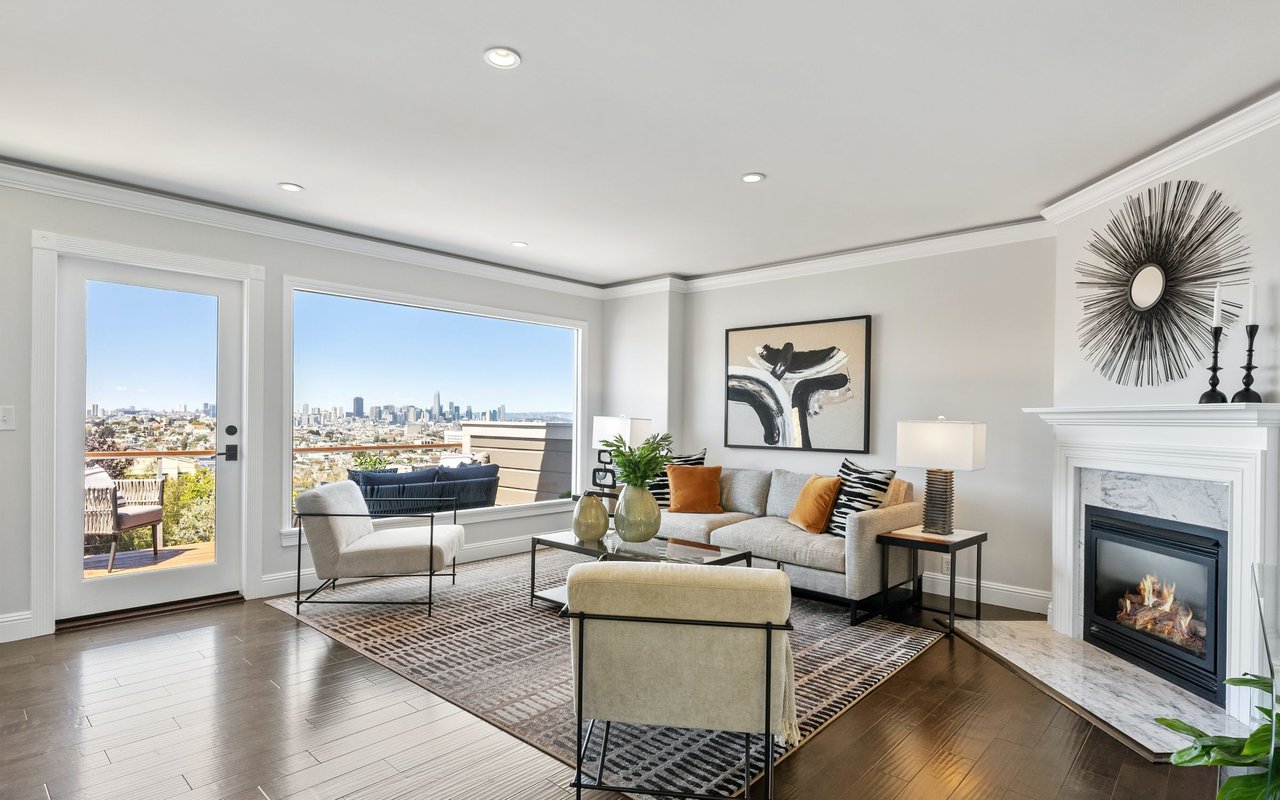
The Goal Isn't the Highest Asking Price—It's the Best Sale
One of the biggest misconceptions I hear from homeowners is this:
"Let's list it high. We can always come down later."
At first glance, that seems reasonable. After all, who wouldn't want to leave room to negotiate?
The problem is that real estate doesn't reward hopeful pricing. It rewards strategic pricing.
There's an important distinction between getting the highest asking price and achieving the best sale. Those are often two very different outcomes.
As a Brooklyn real estate broker, I've learned that successful sales begin long before the first showing. They begin with a pricing strategy that reflects today's market—not yesterday's expectations.
A Lesson I Learned as a Music Teacher
Before I entered real estate, I spent more than two decades teaching music in New York City and training as a classical tenor.
One lesson never changed.
Every performance starts with the right tempo.
If a piece begins too fast or too slow, the entire performance becomes more difficult. The musicians spend the rest of the piece trying to recover.
Pricing a home works exactly the same way.
Your initial price establishes the rhythm for everything that follows.
A strategic opening creates momentum.
An unrealistic opening forces you to spend weeks—or months—trying to regain buyer confidence.
Buyers Decide Value Quickly
Today's buyers have access to more information than ever before.
Within minutes they can compare your property to dozens of similar homes.
They examine:
- Comparable sales
- Monthly carrying costs
- Property taxes
- Building amenities
- Condition
- Days on market
- Recent price reductions
They don't evaluate your home in isolation.
They evaluate it against every competing property.
If your home appears overpriced, buyers often don't schedule a showing at all.
That's why pricing affects far more than negotiations.
It determines whether buyers even decide to visit your property.
The Market Doesn't Price Emotion
Every homeowner has memories.
Birthdays.
Holiday dinners.
Children growing up.
Years of renovations and improvements.
Those memories are incredibly valuable.
But the market doesn't assign a dollar value to emotion.
The market responds to supply, demand, location, condition, and comparable sales.
Understanding that difference allows sellers to make better decisions from the very beginning.
Activity Creates Opportunity
Many sellers assume lowering the price later will solve every problem.
Sometimes it helps.
But it rarely recreates the excitement that exists during the first weeks on the market.
When a new listing appears, buyers notice.
Agents notice.
The market notices.
That initial exposure is your greatest opportunity to generate:
- Showings
- Second appointments
- Buyer interest
- Competitive offers
- Negotiating leverage
Pricing correctly from the start allows you to capitalize on that attention.
The Best Sale Is About More Than Price
Another common misconception is believing that the highest offer automatically produces the best outcome.
Experienced sellers know that's only one part of the equation.
A successful transaction also considers:
- Financing strength
- Down payment
- Inspection terms
- Closing timeline
- Contingencies
- Occupancy needs
- Buyer's flexibility
- Overall certainty of closing
Sometimes the strongest transaction isn't the highest-priced offer.
It's the one most likely to reach the closing table with the fewest surprises.
That's why experienced agents evaluate the complete picture—not just one number.
Strategic Pricing Builds Confidence
Buyers want confidence.
When a property is priced appropriately, buyers often feel more comfortable acting quickly.
Instead of wondering what's wrong with the listing, they focus on how they can secure the property.
That confidence creates momentum.
Momentum creates competition.
Competition often produces stronger offers.
Ironically, strategic pricing sometimes results in a higher final sale price than an inflated asking price ever could.
What Today's Market Is Telling Us
Real estate is constantly changing.
Interest rates shift.
Inventory changes.
Buyer demand fluctuates.
Economic news influences consumer confidence.
Publications such as The Wall Street Journal, The New York Times, and The Real Deal consistently report on how these changing conditions affect housing markets across New York City.
The sellers who perform best aren't the ones chasing yesterday's prices.
They're the ones adapting to today's market.
That doesn't mean pricing low.
It means pricing intelligently.
Every Brooklyn Neighborhood Is Different
One of the biggest mistakes homeowners make is assuming Brooklyn is one market.
It isn't.
Bay Ridge behaves differently than Park Slope.
Brooklyn Heights behaves differently than Bensonhurst.
Dyker Heights differs from Windsor Terrace.
Each neighborhood has its own inventory levels, buyer demographics, pricing trends, and competition.
That's why every pricing recommendation should be built around local market data—not generalized citywide averages.
A neighborhood-specific pricing strategy gives sellers a significant advantage.
The Bottom Line
The purpose of pricing isn't to win an argument.
It isn't to prove what your home is worth.
It isn't to satisfy emotion.
The purpose of pricing is to create the conditions that produce the strongest possible sale.
That's why I remind every seller of one simple principle:
The goal isn't to get the highest asking price.
The goal is to achieve the best sale.
Those are two very different things.
Pricing is strategy.
Not emotion.
If you're thinking about selling your home in Brooklyn and would like a pricing strategy built around today's market conditions, I'd be happy to help.
Together, we can develop a plan designed to maximize your opportunity—not simply your asking price.
About Peter Mancini
Peter Mancini is a Licensed Associate Real Estate Broker with Keller Williams Empire, serving buyers and sellers throughout Brooklyn. A former New York City music teacher and trained tenor, Peter combines preparation, strategy, and clear communication to help clients make confident real estate decisions.
Clarity You Can Act On. Results You Can Trust.
Support a Cause Close to My Heart
Alzheimer's disease has touched my family personally. That's why I'm proud to serve as Co-Chair of this year's CaringKind fundraising campaign, helping support individuals and families affected by Alzheimer's and dementia.
If you'd like to make a difference, please consider supporting Team Mancini.
Donate here: https://give.caringkindnyc.org/fundraiser/7369100