Should I Buy a Fixer-Upper Brownstone in Park Slope?
Buying a brownstone in Park Slope is about more than purchasing a home. For many buyers, it is an opportunity to
own a piece of Brooklyn history in one of New York City’s most desirable residential neighborhoods.
But when you find a brownstone that needs significant work, an important question comes up:
Should I buy the fixer-upper and renovate it, or pay more for a brownstone that’s already move-in ready?
The answer isn’t always obvious. A fixer-upper can offer tremendous potential, but renovating an older Brooklyn
brownstone can be very different from renovating a typical house.
Why Consider a Fixer-Upper?
1. A Lower Purchase Price
The most obvious advantage is price. A brownstone requiring substantial renovation will typically sell for less than a
comparable renovated property.
That difference may allow you to buy on a block or in a section of Park Slope that otherwise might be outside your
budget.
But don’t confuse a lower asking price with a bargain. The important number is your total investment after
renovations.
2. You Can Create the Brownstone You Want
One of the biggest attractions of a fixer-upper is having the ability to design the home around your lifestyle.
Do you want an open kitchen overlooking the backyard? A luxurious primary suite? A home office? Central air? A
garden rental? A restored parlor floor?
Rather than paying for someone else’s renovation, you can decide where your money goes.
3. You May Be Able to Restore Original Details
One of the reasons Park Slope brownstones are so special is their character.
Original moldings, pocket doors, fireplaces, woodwork, ceiling medallions, parquet floors and beautiful staircases
may still exist in an older property.
A thoughtful renovation can combine these historic details with modern kitchens, bathrooms and mechanical
systems.
4. There May Be an Opportunity to Create Equity
This is where the numbers become particularly important.
Suppose a fixer-upper sells for substantially less than a renovated brownstone nearby. If your purchase price plus
renovation and carrying costs remain below the property’s eventual market value, you may have created equity
through the renovation.
But that only works if you buy at the right price and control your renovation costs.
The Risks of a Park Slope Brownstone Renovation
Older brownstones can contain surprises.
What looks like a dated kitchen and a few old bathrooms could turn into a much larger project once walls and floors
are opened.
Potential issues can include:
Aging plumbing or electrical systems
Roof problems
Water infiltration
Masonry or brownstone façade deterioration
Old heating systems
Structural concerns
Windows that need replacement or restoration
Previous renovations that may not meet current requirements
Permit, landmark or building-code considerations
That is why a professional inspection and the appropriate contractors, architects or other specialists can be
extremely valuable before you commit to the purchase.
Don’t Forget About Park Slope’s Historic Districts
This is especially important when buying a Park Slope brownstone.
Many properties are located within designated historic districts. Exterior alterations to a landmarked property may
be subject to New York City Landmarks Preservation Commission requirements.
That doesn’t mean you shouldn’t buy the property. It means you should understand what you can change, what
approvals may be necessary and how those requirements could affect your renovation budget and timeline.
Calculate the Real Cost Before You Buy
One of the biggest mistakes buyers make is looking at the purchase price and renovation estimate separately.
Instead, look at the entire investment:
Purchase Price + Closing Costs + Renovation + Professional Fees + Carrying Costs + Contingency = True
Cost of the Property
Then ask another important question:
What would this brownstone likely be worth after the renovation is completed?
That’s where recent comparable sales become extremely important.
If renovated brownstones in the immediate area are selling for significantly more than your total projected
investment, the project may make financial sense.
If your projected costs put you at or above the price of an already renovated property, you need to decide whether
creating a customized home is worth the additional time and risk.
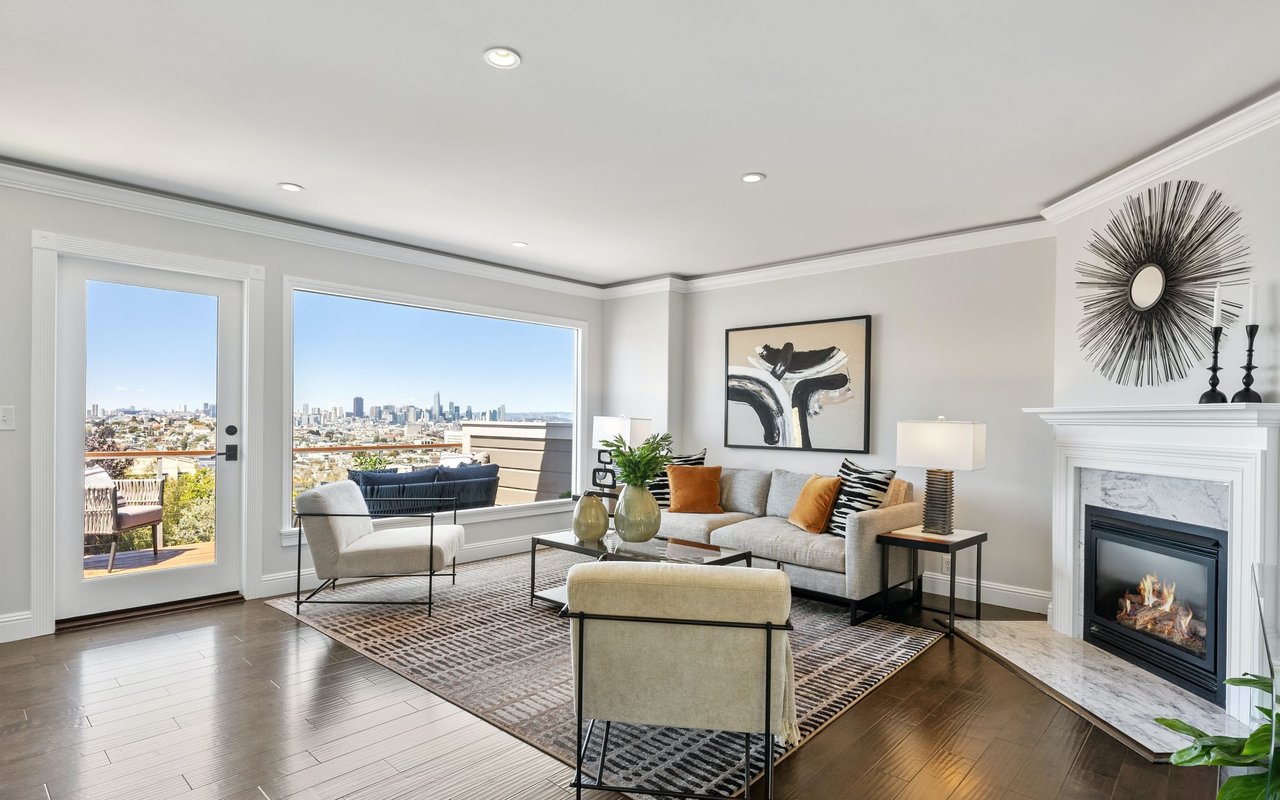
What About a Move-In Ready Brownstone?
There’s nothing wrong with paying a premium for a beautifully renovated brownstone.
For some buyers, it may actually be the smarter financial decision.
You avoid months—or potentially longer—of construction, permits, architects, contractors, unexpected expenses
and difficult decisions.
You also know approximately what you’re spending from the beginning.
The tradeoff is that you’ll likely pay a premium for someone else having already taken on the renovation risk.
The Opportunity Buyers Sometimes Overlook
My favorite category isn’t necessarily the complete fixer-upper or the fully renovated brownstone.
It’s the brownstone with good bones that needs mostly cosmetic updating.
Imagine finding a property with a solid structure, updated major systems and beautiful original details—but an older
kitchen, dated bathrooms, tired floors and outdated finishes.
That type of property can offer an opportunity to buy below the price of a completely renovated home while
avoiding some of the risks associated with a full gut renovation.
So, Should You Buy the Fixer-Upper?
A fixer-upper Park Slope brownstone may make sense if you:
Have sufficient cash reserves. Don’t budget every available dollar for the purchase and planned renovation.
Have patience. Renovations can take longer than expected.
Understand the property’s condition. Get the appropriate inspections and professional opinions before
purchasing.
Know your total investment. Don’t focus solely on the attractive purchase price.
Understand the resale market. Know what comparable renovated brownstones are actually selling for.
Plan to stay for a while. If you’re creating your dream brownstone, a longer ownership horizon may make the time
and expense more worthwhile.
The Bottom Line
A fixer-upper in Park Slope can be an incredible opportunity—but the profit is often determined before the
renovation even begins.
Buying the right property at the right price is critical.
Before making an offer, compare the property with both unrenovated and renovated brownstone sales in the
immediate area. Then estimate the total cost of getting from the property’s current condition to the finished home
you envision.
Sometimes the fixer-upper is the better opportunity.
Sometimes paying more for the renovated brownstone is actually less expensive.
And occasionally, the best opportunity is the property somewhere in between.
If you’re considering purchasing a Park Slope brownstone, I’d be happy to help you analyze recent comparable
sales, evaluate the property’s market value and determine whether the numbers make sense before you make an
offer.
Peter Fiorentino
Associate Broker
The Signature Team at Keller Williams Empire
917-609-0944