Getting ready to sell your Carroll Gardens brownstone? You already know buyers fall in love with leafy blocks, high stoops, and parlor-floor light. Between Carroll Park, the F/G trains, and the neighborhood’s coveted garden blocks, your home’s story starts on the sidewalk. In this guide, you’ll learn exactly how to prep, what to fix, which documents to gather, and how to market your home for a premium result. Let’s dive in.
Why prep matters in Carroll Gardens
Carroll Gardens is classic Brownstone Brooklyn. Buyers pay attention to stoops, front gardens, and parlor-floor proportions, especially on the neighborhood’s historic garden blocks. If your home sits within the city-designated historic district, that status and the block name are selling points worth highlighting. You can confirm boundaries and context in the New York City Landmarks Preservation Commission designation report for the area.
Tight inventory creates strong competition for the best-presented brownstones. You’ll see a mix of family buyers who value outdoor space and investors who consider one-to-two family configurations. That buyer mix rewards listings that are move-in ready, well documented, and easy to understand online.
Public data sources in late 2025 and early 2026 showed values ranging from the high $1 millions to the mid $2 millions depending on methodology and timing. Because a few high-end sales can skew neighborhood medians, use a local comparative market analysis focused on your immediate blocks to set pricing expectations.
A step-by-step plan to get market-ready
8–12 weeks out: Strategy, comps, budget
- Order a CMA that focuses on nearby townhouse comparables and the same property class. Small samples can distort medians, so hyperlocal comps matter most.
- Decide on a light cosmetic refresh versus deeper work. Align your budget with expected return.
- Map out staging and a full media package with your agent so vendors and schedules line up.
6–8 weeks out: Clean, fix, and stage
- Declutter, depersonalize, and deep-clean. Keep parlor and garden-level pathways clear to showcase flow.
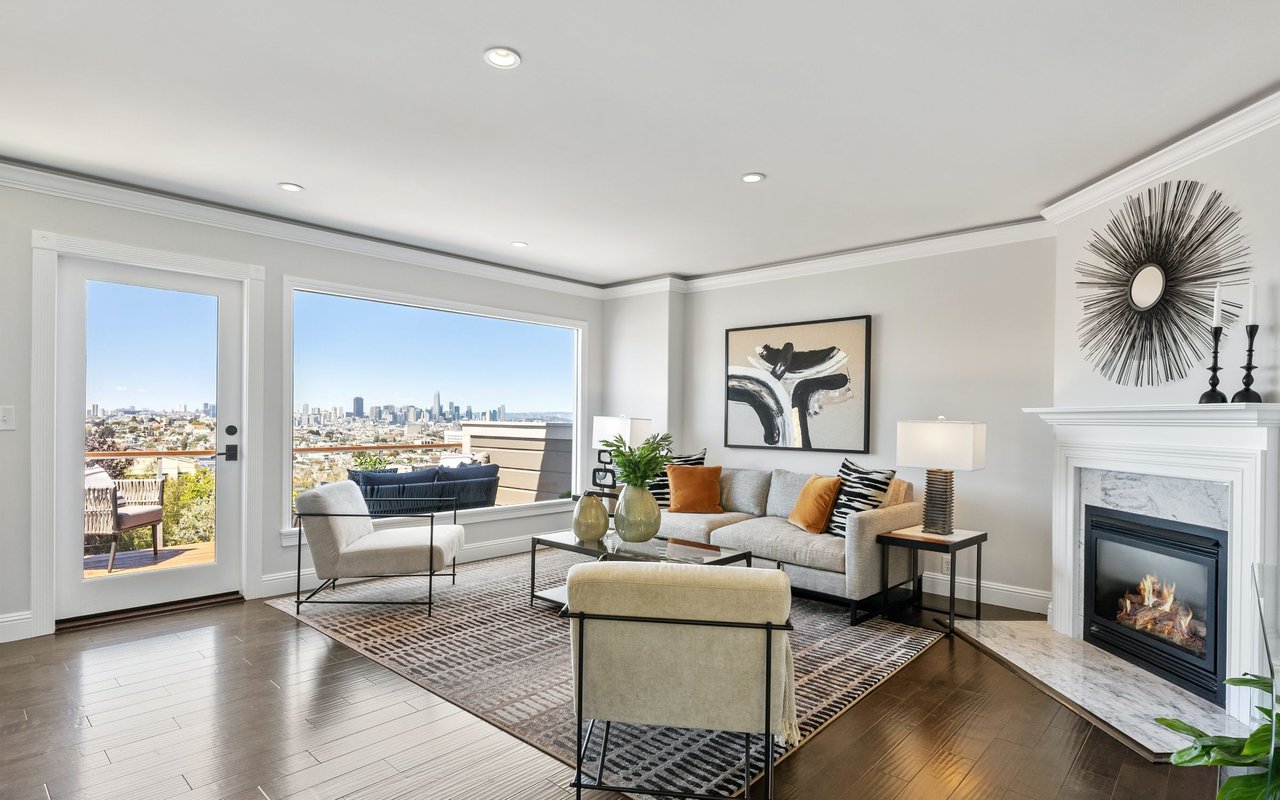
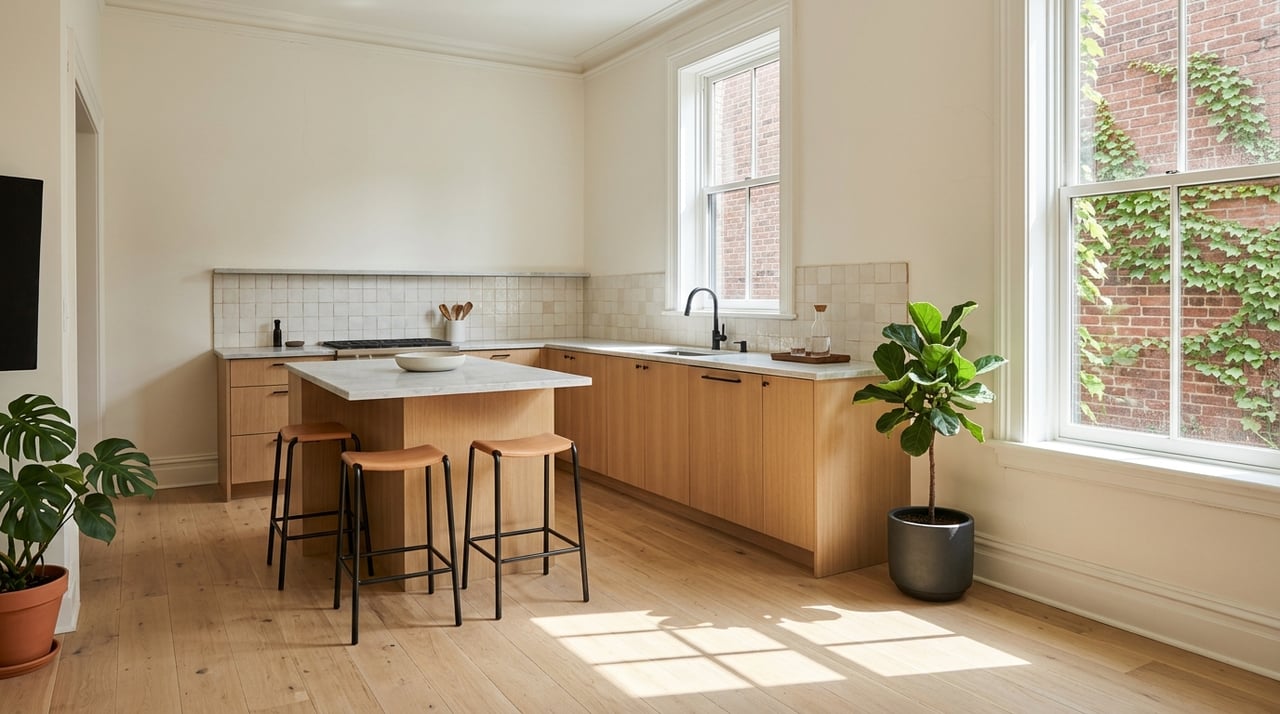
- Focus staging on the living/parlor room, the primary bedroom, and the kitchen. The National Association of Realtors’ 2025 Profile of Home Staging reports those rooms have the greatest impact on buyer perception and offers. Refer to the NAR staging report for data-backed guidance.
- Refresh the front garden, clean the stoop, touch up railings and hardware, and tidy the backyard. These are emotional triggers for Carroll Gardens buyers.
4–6 weeks out: Inspections, permits, and marketing assets
- Consider a pre-listing inspection to uncover issues on your schedule. Agents report that pre-inspections reduce late renegotiations and canceled contracts. See NAR’s discussion of how pre-listing inspections prevent cancellations.
- Assemble documentation: permits, invoices for mechanicals (boiler, roof, windows), title and lot information, and any prior LPC approvals for exterior work.
- Book professional photography, floor plans, and a 3D tour for your launch window. Dusk images can elevate a stoop or garden block exterior.
0–2 weeks out: Final staging and launch
- Complete final cleaning and walkthroughs. Set lighting, style key rooms, and confirm access.
- Write a concise listing narrative that highlights the block, parlor-floor flow, original details, outdoor spaces, recent system upgrades, and permitted work.
- Publish with a complete media set and an accurate floor plan to answer layout questions before the first showing.
Curb appeal that sells
First impressions start at the sidewalk. Power-wash the stoop, freshen the front garden, polish hardware, and make the entry crisp and welcoming. If your block is a known garden block, call it out in the listing copy and capture it in the lead photos.
Parts of Carroll Gardens fall within a NYC historic district. Exterior work that is visible from a public way often requires LPC review. Before you repair a façade, replace windows, or change a fence, review the Landmarks Preservation Commission’s permit guidance so you plan timeline and scope correctly.
Legal and permit checkpoints to handle early
- Historic district and LPC: Some exterior work needs LPC approval. Start early to avoid delays. Review the LPC permit types and required approvals.
- Building permits and sign-offs: Structural, plumbing, or HVAC work often requires DOB filings. Coordinate any past or pending permits with your attorney and listing team.
- Tenants and rent regulation: If any unit is rent-stabilized or tenant-occupied, follow New York State HCR rules on registration and disclosures. Buyers will review DHCR rent history during diligence. See New York State HCR’s rent information for guidance.
- Transfer taxes: New York State and New York City real estate transfer taxes can materially impact your net. Review state rules and the NYC Real Property Transfer Tax page, and ask your attorney for a net proceeds estimate early.
- Lead-based paint: For homes built before 1978, federal law requires lead disclosure and a buyer’s inspection window. Review the federal lead disclosure overview so you can prepare the required documents.
Media and marketing buyers expect
- Professional photography: Agents consistently cite photos as the most important listing element. In NYC, a townhouse shoot with 25–35 edited images often ranges from about $250 to $800 depending on package and add-ons. See Matterport’s overview of real estate photography costs for context.
- Floor plans: Buyers use floor plans to confirm flow and room sizes before touring. Many vendors offer 2D schematic plans, often in the $50 to $150 range. Learn how floor plans guide buyers.
- 3D tour: A Matterport-style tour helps out-of-town buyers and pre-qualifies showings on multi-unit homes. Typical NYC packages for brownstones often land in the low hundreds depending on square footage and hosting.
- Staging, physical or virtual: Industry surveys show staging reduces days on market and can improve offers. NAR’s 2025 staging report notes a median professional staging cost near $1,500. Use it where it counts, especially the parlor and primary bedroom, and clearly label any virtually staged imagery.
Timing your launch
Early spring, especially late March through mid-April, is often a strong window in many markets. In Carroll Gardens, that timing aligns with family buyers planning summer moves and relocation searches. A well-prepared fall or winter listing can also perform well due to lighter competition. Confirm your target week with your agent based on current-year activity.
Sample timeline for a mid-April debut:
- 10–12 weeks out: Select agent, complete CMA, finalize budget and staging plan, schedule trades.
- 6–8 weeks out: Paint, lighting swaps, hardware refresh, garden spruce-up, initial staging.
- 4–6 weeks out: Pre-listing inspection, gather permits and invoices, book photos/floor plan/3D tour.
- 2 weeks out: Final staging and cleaning, produce floor plan, draft listing copy and amenity notes.
- Launch week: Go live, schedule weekend open houses and a broker preview.
Budget snapshot: common prep costs
- Professional photography: $250–$800
- Floor plan (2D): $50–$150
- 3D tour: $200–$600
- Twilight add-on: $75–$150
- Professional staging (partial): about $1,500 median
- Pre-listing general inspection: $350–$900
Your actual costs will vary by scope and vendor. Ask your agent for local recommendations and quotes tailored to your home.
Avoid costly surprises
Most late-stage hiccups trace back to undisclosed work, missing permits, or inspection findings that surface under contract. A pre-listing inspection, transparent documentation of mechanical upgrades and past approvals, and early attorney review of transfer taxes and tenant matters help you stay in control. The goal is to present a move-in ready home with a clean paper trail so buyers can write with confidence.
Quick 6-week seller’s checklist
- Finalize your pricing strategy with a block-by-block CMA.
- Complete paint touch-ups, lighting replacements, and hardware refreshes.
- Stage the parlor, kitchen, and primary bedroom; declutter all storage.
- Gather permits, invoices, and any LPC approvals into a disclosure packet.
- Book pro photos, floor plan, and a 3D tour; consider twilight exteriors.
- Write clear, concise listing copy that highlights block, layout, details, and systems.
Ready to make your first showing feel like the only showing that matters? Let’s align your timeline, prep plan, and marketing so you launch with confidence. For a block-level pricing strategy and a custom prep roadmap, connect with The Signature Team today.
FAQs
How should I price a Carroll Gardens brownstone?
- Use a hyperlocal CMA that focuses on your immediate blocks and property type. Public medians can swing with a few sales, so block-level comps are more reliable.
What exterior work needs approval in the historic district?
- Any street-visible changes like façades, windows, fences, and stoops may require LPC review. Check permit types and lead time before starting work.
Do I really need a pre-listing inspection in NYC?
- A seller-side inspection often reduces late renegotiations and cancellations by revealing issues early, letting you fix or disclose on your terms.
Which rooms should I stage in a brownstone?
- Prioritize the parlor-level living room, the primary bedroom, and the kitchen. These spaces most influence buyer perception and offer strength.
What closing costs should I plan for as a seller?
- Plan for transfer taxes at the state and city level, your attorney’s fees, and broker commission. Ask your attorney for a detailed net proceeds estimate early.