Wondering how much prep a Park Slope walk-up or brownstone really needs before it hits the market? In a neighborhood where architecture, layout, and presentation all shape buyer perception, the right updates can make your home feel more valuable without stripping away what makes it special. If you want to attract serious buyers and present your property with confidence, a focused plan matters. Let’s dive in.
Why presentation matters in Park Slope
Park Slope is known for its historic housing stock, classic brownstones, and original architectural details. With median sale pricing around $1.7 million and many brownstones commanding $3 million or more, buyers often expect a home that feels both well cared for and easy to understand from the first click.
That does not mean you need to over-renovate. In many cases, the stronger strategy is to preserve character, fix distractions, and present the home in a clean, polished way that fits today’s buyer expectations.
Today’s buyers shop online first
A big part of your sale now happens before a buyer ever walks through the door. Recent buyer research found that many buyers start online, many find their home through online searches, and the listing features they value most include photos, detailed property information, and floor plans.
That matters even more in Park Slope. Walk-ups and brownstones often have vertical layouts, multiple levels, and room connections that can be hard to grasp in standard photos alone. If buyers cannot quickly understand how the home flows, they may move on before scheduling a showing.
Floor plans matter more than ever
Floor plans have become one of the most important listing tools for buyers. Research shows they rank at or near the top of the features buyers want to see, and many buyers are more likely to tour a home if the listing includes a floor plan they like.
For a Park Slope property, a clear floor plan helps buyers understand stairs, landings, and the relationship between rooms. It can also make smaller bedrooms, garden levels, duplex layouts, or upper-floor walk-ups feel more usable because the layout is easier to follow.
Photos need to support the layout
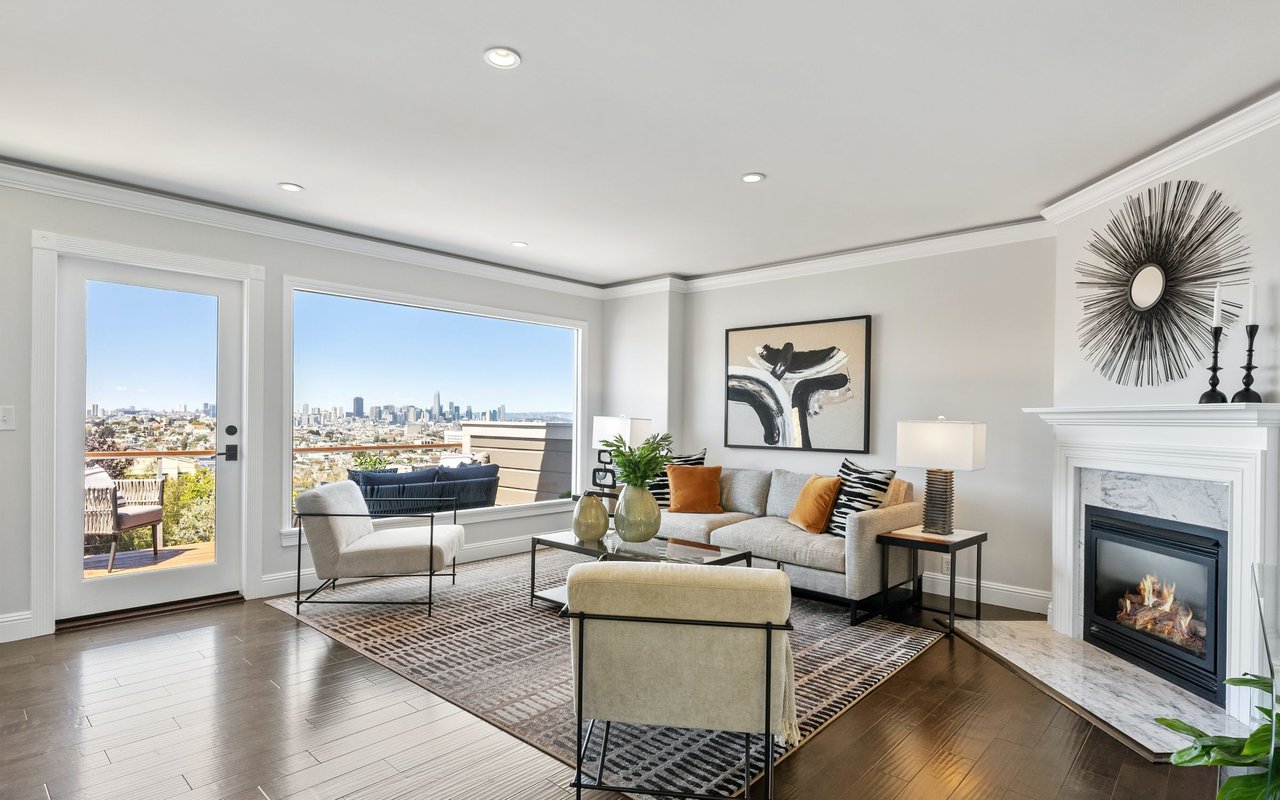
Strong photos still matter, but they work best when they help buyers orient themselves. Bright, high-resolution images that match the floor plan can make a walk-up or brownstone feel clearer and more inviting.
Your goal is simple: when buyers arrive in person, the home should feel exactly like the listing promised. That consistency builds trust and keeps buyers focused on the property, not on surprises.
Start with light and visibility
One of the most effective first steps is also one of the simplest. Wash the windows, replace weak bulbs, open shades, and clear visual clutter from stairwells, hallways, and landings.
In older Brooklyn homes, natural light can vary a lot from floor to floor. A brighter, cleaner presentation helps rooms photograph better and makes the sequence of spaces easier to read during showings.
Focus on stairways and transitions
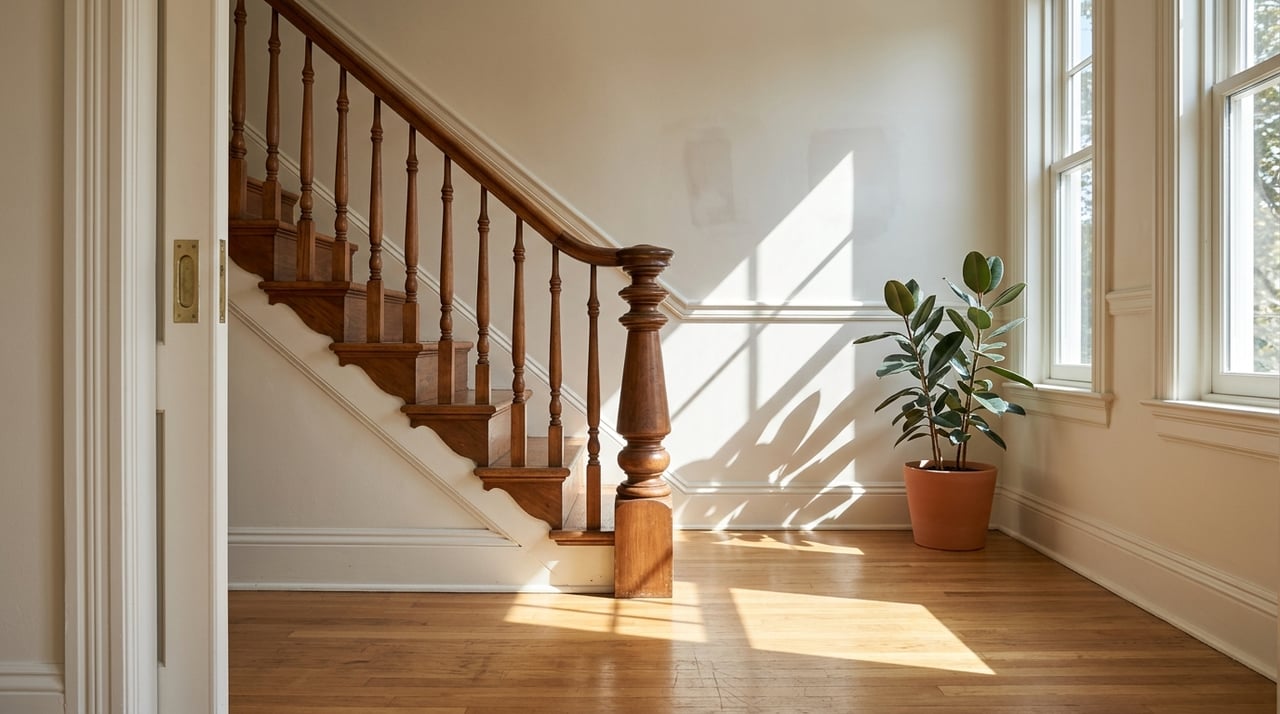
In many Park Slope homes, stairs are not just a feature. They are part of the everyday living experience. Buyers notice whether the path from level to level feels smooth, open, and easy to navigate.
That is why transitions matter. Keep landings clear, remove extra furniture, and make sure the route through the home feels intentional instead of cramped or confusing.
Refresh paint without erasing character
Painting is one of the most common pre-listing improvements sellers make, and in Park Slope it often pays off when done thoughtfully. The best paint work usually softens scuffs, covers dated color choices, and freshens high-traffic areas without making the home feel generic.
Focus on walls, doors, trim, stair rails, and other heavily used surfaces. Clean, neutral finishes can help buyers notice ceiling height, natural light, and original details instead of minor wear.
Keep period details in view
If your home has carved woodwork, moldings, mantels, pocket doors, banisters, parquet, or stair trim, those features should be cleaned, repaired, and highlighted when possible. Park Slope buyers are often drawn to homes with authentic details, and replacing them with basic finishes can weaken the home’s identity.
Presentation should help those features stand out. A careful refresh usually does more for buyer perception than a broad cosmetic overhaul.
Fix the small issues buyers notice
Minor repairs can have an outsized effect on how well your home shows. In older properties, small defects often pull attention away from the layout, light, and architectural charm.
Before listing, it helps to address visible issues such as:
- Loose handrails
- Sticky doors
- Leaky faucets
- Cracked grout
- Squeaky stairs
- Chipped plaster
- Worn caulking
These are not flashy upgrades, but they signal care. When buyers see fewer distractions, they are more likely to focus on the home’s strengths.
Consider a pre-inspection
A pre-inspection can help surface issues before buyers do. For an older walk-up or brownstone, that extra preparation can make your pricing, repair decisions, and showing strategy more informed.
It can also reduce the chance that a visible problem becomes a larger negotiation issue later. That kind of planning fits especially well with a methodical, process-driven sale.
Declutter to make the layout legible
Decluttering is not about making your home feel empty or impersonal. It is about helping buyers understand the size, function, and flow of each room, especially online.
In Park Slope homes, oversized furniture can make narrow rooms, small bedrooms, and upper-floor landings feel tighter than they are. Personal clutter can also make transitions between spaces harder to read in photos.
Edit for scale
A smart pre-sale edit often includes removing pieces that are too large for the room, simplifying tabletops, and opening up sightlines. This is especially useful in duplexes, triplexes, and homes where stair circulation is a major part of the layout.
When buyers can quickly understand how a room works, they are more likely to picture themselves using it. That clarity matters both online and in person.
Be thoughtful with exterior work
If your property sits within the Park Slope Historic District, exterior changes may require review by the New York City Landmarks Preservation Commission. The district was designated in 1973, and many changes to front and rear facades are subject to LPC rules.
Ordinary maintenance may be allowed without the same level of review. For example, replacing broken window glass or repainting an exterior to match the existing color is generally treated differently from more visible facade changes.
Check timing before hiring contractors
If you are thinking about doing exterior work before listing, check the rules first. Visible changes such as certain window work, masonry patching, or exterior repainting may affect your timeline if review is needed.
The key point is not that you must avoid improvements. It is that planning matters, especially in a landmarked area where compatibility and process are part of the decision.
Do not over-renovate for this market
One of the biggest mistakes sellers can make in a historic brownstone market is trying to make the home feel brand new at the expense of its identity. Park Slope buyers are often looking for a home with character, not a blank product that could be anywhere.
The better approach is usually targeted preparation. Clean the light, sharpen the presentation, handle the visible repairs, and let the architecture do its job.
Match the showing to the listing
Even buyers who rely heavily on photos, floor plans, and virtual media still want to experience a home in person. That means your showing strategy should support what they already saw online.
The rooms should look consistent with the photography. The floor plan should make sense once they walk through the front door. The stairs and level changes should feel like part of the home’s charm, not a source of confusion.
Create an easy in-person experience
Before showings, think through the route a buyer will take. Open interior doors where helpful, make sure lighting is on, and keep the sequence of rooms easy to follow.
For a walk-up or brownstone, this can have a real impact. A buyer who understands the layout quickly is more likely to connect with the home emotionally and practically.
A practical Park Slope prep plan
If you want a simple way to think about pre-listing prep, start here:
- Brighten the home with clean windows and better lighting.
- Refresh paint in high-traffic areas.
- Fix small visible repair items.
- Remove clutter and resize furniture where needed.
- Highlight original architectural details.
- Confirm any exterior work complies with LPC rules.
- Invest in strong listing media, especially floor plans and photography.
Selling a Park Slope walk-up or brownstone is rarely about making it look like everything else. It is about presenting the home clearly, preserving what gives it character, and helping buyers see how the space lives. If you want guidance on how to prepare your property for today's market, connect with The Signature Team for a thoughtful, neighborhood-first strategy. As a seasoned Brooklyn real estate agent, Peter Mancini can help you turn that strategy into a listing that resonates with today's buyers.
FAQs
What updates matter most before listing a Park Slope brownstone?
- The most useful updates are usually cleaning, lighting improvements, fresh paint, minor repairs, decluttering, and highlighting original details.
Why are floor plans important for a Park Slope walk-up listing?
- Floor plans help buyers understand vertical layouts, room connections, and stair circulation before they visit in person.
Do Park Slope sellers need to remove original brownstone details?
- No. In many cases, cleaning, repairing, and showcasing details like mantels, moldings, banisters, and woodwork is the better strategy.
Does exterior work on a Park Slope historic property require approval?
- Many exterior changes to front and rear facades in the historic district require LPC review, while some ordinary maintenance may not.
How should you declutter a Park Slope walk-up before showings?
- Focus on removing oversized furniture, clearing stair landings, simplifying room layouts, and making the flow of the home easier to read online and in person.