If you only visit Park Slope once, you might think you understand it. But if you spend a full year paying attention, the neighborhood tells a much richer story. From spring blooms to winter routines, each season changes how you move through the blocks, use Prospect Park, and experience daily life here. Let’s dive in.
Why seasons matter in Park Slope
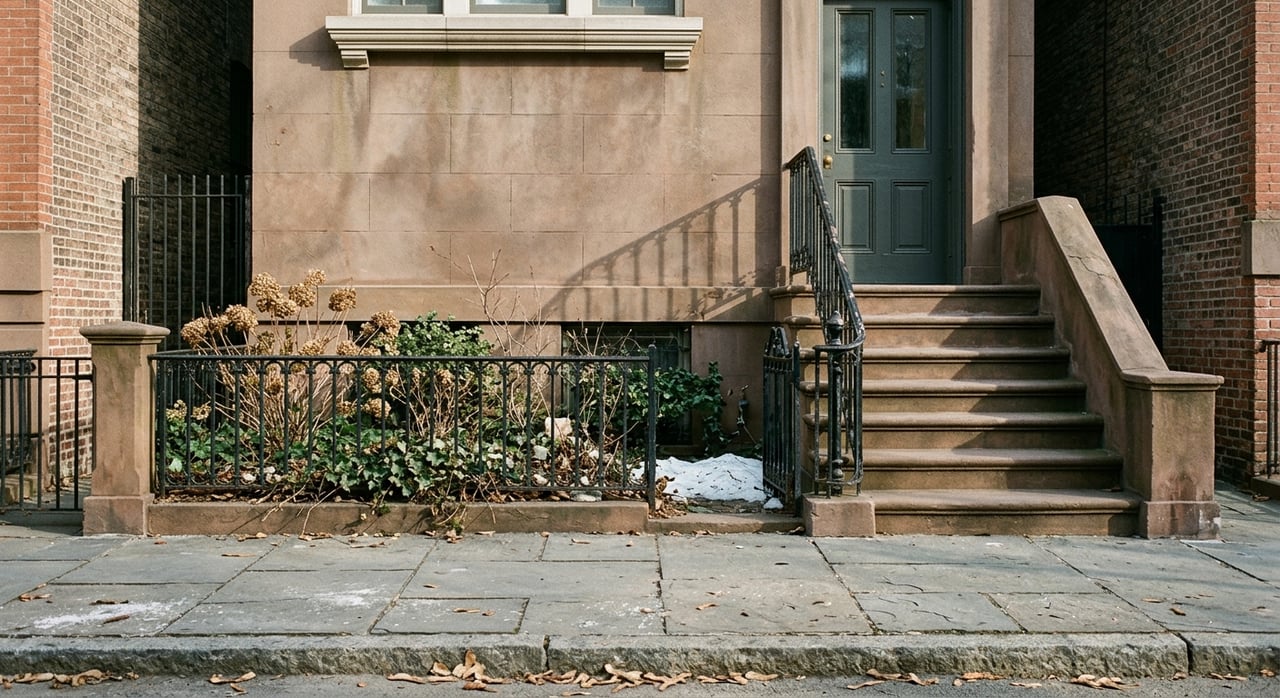
Park Slope has a strong physical identity all year, but the seasons shape how that identity feels. The neighborhood’s historic core includes row houses and flats buildings dating from the mid-19th to early 20th century, and its protected historic district helps preserve that character. At the same time, the local rhythm shifts with the weather, especially because Park Slope sits directly beside Prospect Park.
Climate helps explain a lot of that change. Seasonal temperature patterns in New York make spring and fall ideal for walking, summer a natural time for outdoor gathering, and winter a season when life pulls inward. In Park Slope, that means the same blocks can feel leafy and social in July, then calm and local in January.
NYC Planning also points to Fifth and Seventh Avenues as the neighborhood’s main commercial corridors. That layout matters because Park Slope is not one long retail strip. Instead, you get mostly residential streets with a few active avenues that become more or less prominent depending on the season.
Spring in Park Slope
Blooms reset the neighborhood
Spring is when Park Slope feels newly awake. Prospect Park’s seasonal bloom cycle brings snowdrops, crocus, daffodils, ornamental cherries, and magnolias into view, especially around places like Grand Army Plaza, the Long Meadow, Lakeside, the Ravine, and the Midwood Loop. After winter, that visual change makes the park feel like the neighborhood’s front yard again.
The spring landscape is especially striking because Prospect Park includes Brooklyn’s last upland old-growth forest along the Midwood Loop. That gives Park Slope a softer, greener feeling than many people expect from city life. If you are exploring the neighborhood as a buyer, spring makes that connection to nature easy to understand.
Migration adds movement
Spring is also a migration season. Prospect Park sits along the Atlantic Flyway, and more than 150 migratory bird species may pass through as temperatures warm. Even if you are not a serious birder, that seasonal movement adds to the sense that the park is active, changing, and closely tied to daily life.
This is also when walks tend to get longer and more frequent. As trees leaf out and trails fill, the park becomes both a destination and part of the everyday route through the neighborhood. In practical terms, spring shows you how much Prospect Park shapes the Park Slope experience.
Outdoor routines return
Food shopping also starts to feel more seasonal in spring. The Bartel-Pritchard Square Greenmarket serves Park Slope and Windsor Terrace on Wednesdays year-round and adds Sunday hours seasonally. The Grand Army Plaza Greenmarket runs on Saturdays year-round at Prospect Park’s northwest entrance.
That means spring is not only pretty. It also changes the weekly rhythm. Fresh produce, flowers, and regular market stops become part of how many people move through the neighborhood.
Summer in Park Slope
Prospect Park takes center stage
By summer, outdoor life becomes the headline. Prospect Park’s open spaces, lake, and forested areas draw people out for long walks, boating, wildlife watching, family programming, and rides on the 1912 Carousel. Summer makes the park feel less like an amenity and more like the center of neighborhood life.
The park’s role is not just recreational. Prospect Park Alliance also frames summer as a season of stewardship and shared care for public space. That matters because Park Slope’s summer energy is active without feeling disconnected from the people who live there.
Fifth and Seventh Avenues feel busiest
Summer also brings more visible street life along Fifth and Seventh Avenues. These are Park Slope’s main commercial corridors, with ground-floor retail and apartments above, and they serve as everyday gathering spaces for shopping, walking, and connecting with the neighborhood. In warmer months, those streets feel especially alive.
Open Streets programming adds to that energy. NYC DOT’s warm-weather calendar includes Park Slope Fifth Avenue, and the Fifth Avenue BID describes its work around supporting businesses, residents, property owners, and institutions while improving quality of life. Together, those efforts help shape a version of summer that feels social, walkable, and distinctly local.
Busy, but still residential
One of the most important things about summer in Park Slope is what it does not become. Even at its busiest, the neighborhood still reads as residential first. The blocks between the avenues hold onto the stoops, tree cover, and row house rhythm that define the area.
For buyers and sellers, that balance is part of Park Slope’s appeal. You get more activity in summer, but not a complete change in identity. The neighborhood feels fuller, not overwhelmed.
Fall in Park Slope
Foliage highlights the landscape
Fall may be the season when Park Slope feels most cinematic. Prospect Park’s Long Meadow and Ravine are key foliage destinations, with long views, woodland color, rustic bridges, streams, and waterfalls adding texture to everyday walks. The cooler weather also makes the park especially comfortable to use.
The Long Meadow stretches nearly a mile, which gives fall walks a broad, open feel. In the Ravine, the experience becomes more wooded and layered. If spring is about new growth, fall is about depth and atmosphere.
Architecture stands out more
As leaves turn and temperatures drop, Park Slope’s architecture becomes more noticeable too. The neighborhood’s historic district protections help preserve the row houses and flats buildings that define many blocks. In fall light, those facades, stoops, and street trees tend to feel especially prominent.
This is often the season when people notice how well the neighborhood holds together visually. The combination of preserved architecture and Prospect Park’s changing landscape gives Park Slope a strong sense of continuity. It can feel both active and settled at the same time.
Civic traditions come into view
Fall is also when neighborhood ritual becomes easier to see. The Park Slope Civic Council sponsors events and activities including the Halloween Parade, semiannual clean-up events, house tours, and community forums. That work is tied directly to preserving Park Slope’s historic character.
For someone getting to know the area, this matters. Fall is not just about foliage. It is also a season when Park Slope’s block-by-block civic identity feels especially visible.
Winter in Park Slope
The pace gets quieter
Winter changes the volume of the neighborhood. Streets feel calmer, park visits become more purposeful, and daily routines shift indoors more often. But quieter does not mean empty.
Prospect Park still stays in the picture through winter walks, birdwatching, volunteer cleanups, sledding, and ice skating at the LeFrak Center at Lakeside. The park remains active, just in a different register.
Indoor anchors matter more
When temperatures drop, local institutions take on a larger role. The Park Slope Food Coop, founded in 1973, provides year-round grocery shopping through its member-owned and operated model with open membership. The Old Stone House serves as a cultural center with family programs, arts and cultural events, and neighborhood advocacy.
These kinds of places help explain why winter in Park Slope still feels connected. You may spend less time lingering outside, but the neighborhood keeps its sense of routine and participation.
Winter reveals a different side
Prospect Park Alliance notes that leafless trees can make winter birding easier, which creates an interesting contrast with spring and summer. Instead of blooms and canopy, winter offers clearer sightlines and a more stripped-back version of the landscape. That can help you notice details you might miss in warmer months.
For many people, winter is when Park Slope feels most local. The crowds thin, habits become more regular, and the neighborhood shows you what daily life looks like when the weather is not doing any extra work.
What stays the same all year
Continuity defines Park Slope
The biggest story in Park Slope is not change alone. It is continuity. Across the seasons, the same institutions, public spaces, and streets keep anchoring neighborhood life.
The Park Slope Civic Council dates back to 1896. The Park Slope Food Coop has been part of the neighborhood since 1973. Prospect Park remains one of the city’s most used public spaces year-round, and the Fifth Avenue BID centers its work on local quality of life. That combination helps create a neighborhood where routines are built over time.
Seasonal life shapes real estate decisions
If you are thinking about buying or selling in Park Slope, this year-round pattern matters. A neighborhood is not only about housing stock or a single Saturday afternoon. It is about how the area functions in April, August, November, and February.
Park Slope offers a clear seasonal rhythm: spring blooms and migration, summer park life and open streets, fall foliage and civic tradition, and winter routines supported by strong local institutions. Seeing that full cycle can help you better understand what life here may actually feel like.
If you want help understanding how Park Slope fits your goals, whether you are buying, selling, or simply comparing Brooklyn neighborhoods, The Signature Team can help you navigate the details with clear, local guidance. As a trusted Brooklyn real estate agent, Peter Mancini brings the local expertise to guide you through every season of the market.
FAQs
How does Prospect Park shape daily life in Park Slope?
- Prospect Park influences Park Slope in every season through walking routes, recreation, seasonal blooms, bird migration, winter activities, and year-round programming.
What are the main commercial corridors in Park Slope?
- NYC Planning identifies Fifth Avenue and Seventh Avenue as Park Slope’s main commercial corridors, with retail at street level and housing above.
What is Park Slope like in spring?
- Spring in Park Slope is defined by blooms in Prospect Park, migratory birds along the Atlantic Flyway, and the return of outdoor routines like greenmarket shopping and longer walks.
What is Park Slope like in summer?
- Summer brings the busiest version of Park Slope, with more park use, active avenue life, and warm-weather programming like Open Streets on Fifth Avenue.
What is Park Slope like in fall?
- Fall stands out for foliage in Prospect Park, stronger visibility of the neighborhood’s historic architecture, and civic traditions such as the Park Slope Halloween Parade.
What is Park Slope like in winter?
- Winter is quieter but still active, with indoor community anchors, winter walks, birdwatching, sledding, and ice skating helping maintain neighborhood rhythm.
Why does seasonality matter when choosing a Park Slope home?
- Seasonality matters because it shows how the neighborhood functions beyond a single visit, including how you may use the park, local shopping corridors, and community spaces throughout the year.