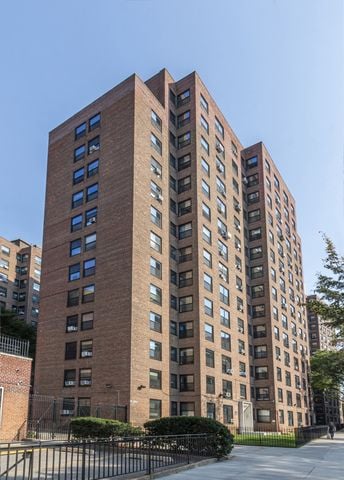
The Waiting Game Is Finally Changing
If you’ve ever purchased a co-op in Brooklyn, you already know:
the most stressful part of the process isn’t making the offer—it’s waiting for board approval.
Weeks can pass with little communication. Sometimes months. Deals sit in limbo, creating uncertainty for buyers and sellers alike.
But that long-standing frustration is finally being addressed.
Starting July 28, 2026, a new New York City law introduces defined timelines for co-op board decisions—bringing structure to a process that has historically lacked it.
According to legal analysis from
https://www.pryorcashman.com/publications/new-nyc-law-imposes-strict-timelines-on-co-op-purchase-applications,
this legislation is designed to create greater transparency and accountability in co-op transactions.
And for anyone navigating Brooklyn real estate, that’s a meaningful shift.
What the New Law Actually Requires
The new regulation establishes two critical deadlines:
- 15 days for co-op boards to acknowledge receipt of a buyer’s application
- 45 days to issue a decision once the application is deemed complete
This doesn’t eliminate the board’s authority. Co-op boards still maintain full discretion to approve or reject applicants.
However, it does introduce something the market has needed for years: predictability.
As discussed in
https://mosheslaw.com/nyc-co-op-boards-are-tougher-in-2026-how-buyers-can-get-approved/,
co-op boards are becoming increasingly structured in how they evaluate applicants—and now, the timeline must match that level of rigor.
Why This Matters for Brooklyn Buyers
For buyers, this change is significant.
In the past, one of the biggest challenges was planning around uncertainty. You could secure financing, complete due diligence, and submit a strong application—only to wait indefinitely.
Now, with defined timelines:
- You can better coordinate financing and rate locks
- You can plan your move with more confidence
- You reduce the emotional strain of the unknown
As a Brooklyn real estate professional—and as a former teacher—I often say:
structure creates clarity.
And clarity leads to better decisions.
This law doesn’t guarantee approval. But it does give buyers a clearer path forward.
What Sellers Need to Understand
For sellers, this change is just as impactful.
A delayed co-op approval can derail momentum, create doubt, and even jeopardize future offers.
With the new law in place:
- Buyers are less likely to walk away due to prolonged uncertainty
- Deals move through the pipeline more efficiently
- Expectations can be clearly communicated from the outset
In a competitive Brooklyn market, timing matters. The ability to set realistic expectations around board approval timelines can strengthen your negotiating position.
The Bigger Trend: Transparency in NYC Real Estate
This isn’t happening in isolation.
Publications like The Wall Street Journal, The New York Times, and The Real Deal have consistently highlighted a broader shift in NYC real estate:
Transparency is becoming the new standard.
From buyer representation agreements to rental commission clarity, the industry is moving toward more structured, consumer-focused practices.
The co-op approval timeline law is part of that evolution.
Strategy Still Matters More Than Ever
While the timeline is now defined, the approval process itself remains rigorous.
Co-op boards will continue to evaluate:
- Financial stability and post-closing liquidity
- Employment history and income consistency
- Debt-to-income ratios
- Personal and professional references
This means preparation is still everything.
Submitting a complete, well-organized application from the start is critical. Any missing documentation can delay the “complete” designation—and that 45-day clock doesn’t begin until everything is in order.
How to Navigate the New Rules Successfully
If you’re planning to buy a co-op in Brooklyn, here’s how to approach the process strategically:
1. Prepare Early
Work with your agent and lender to gather all financial documents in advance.
2. Understand Building Requirements
Each co-op has its own financial thresholds and expectations.
3. Submit a Complete Package
Incomplete applications can still delay the process—structure only works when the input is organized.
4. Communicate Clearly
Stay in close contact with your agent, attorney, and lender throughout the process.
5. Set Realistic Expectations
Even with timelines, approvals still require careful review.
Watch the Breakdown
For a quick explanation of how this law impacts Brooklyn buyers and sellers, watch here:
https://youtube.com/shorts/CcgC4taFAxg?si=6nxRfUVe4o9Ix7Qn
Brooklyn Real Estate Is Evolving
Brooklyn has always been a market defined by nuance—co-ops, condos, brownstones, and multi-family properties all operating under different rules.
This new law doesn’t simplify the market.
But it does make one part of the process more predictable.
And in real estate, predictability is powerful.
As a trained tenor, I’ve spent years understanding how timing shapes performance.
In real estate, it’s no different.
Timing doesn’t guarantee success—but without it, nothing works.
Final Thoughts
The introduction of structured timelines for co-op approvals marks a turning point for NYC real estate.
Buyers gain clarity.
Sellers gain momentum.
And the market gains a more consistent framework.
If you’re planning to buy or sell in Brooklyn, understanding these changes isn’t optional—it’s essential.
Work With an Expert
Navigating co-op transactions requires strategy, preparation, and a deep understanding of building-specific requirements.
If you’re considering your next move, visit:
https://petermancininyc.com
I’m Peter Mancini, helping you navigate Brooklyn real estate with clarity and confidence.
Clarity You Can Act On. Results You Can Trust.