When I trained as a tenor, one lesson came up again and again: small changes in setting can completely change how a performance feels. The acoustics of a room, the distance from the audience, the energy in the space—none of it alters the music itself, yet everything about the experience shifts.
Brooklyn real estate works the same way.
And nowhere is that more apparent than in Park Slope.
Although Park Slope is often spoken about as one cohesive neighborhood, buyers and sellers quickly learn that North Slope and South Slope offer two distinct lifestyles. Neither is better. They’re simply tuned differently—and understanding that difference is critical when making smart real estate decisions.
One Neighborhood, Two Lifestyles
Park Slope stretches along the western edge of Prospect Park, running north toward Grand Army Plaza and south toward Greenwood and Sunset Park. On a map, the distinction between North and South Slope may look subtle. In daily life, the difference is immediately felt.
According to coverage in The New York Times and The Wall Street Journal, buyers today are increasingly prioritizing lifestyle fit over pure square footage. That shift makes understanding these micro-markets more important than ever.
North Slope: Energy, Access, and Classic Prestige
North Slope is often considered the “front row” of Park Slope.
This area sits closest to Prospect Park, Grand Army Plaza, the Brooklyn Public Library, and the Brooklyn Museum. Major subway lines—including the 2, 3, B, and Q—are easily accessible, making commuting into Manhattan or around Brooklyn relatively seamless.
Architecturally, North Slope is known for:
-
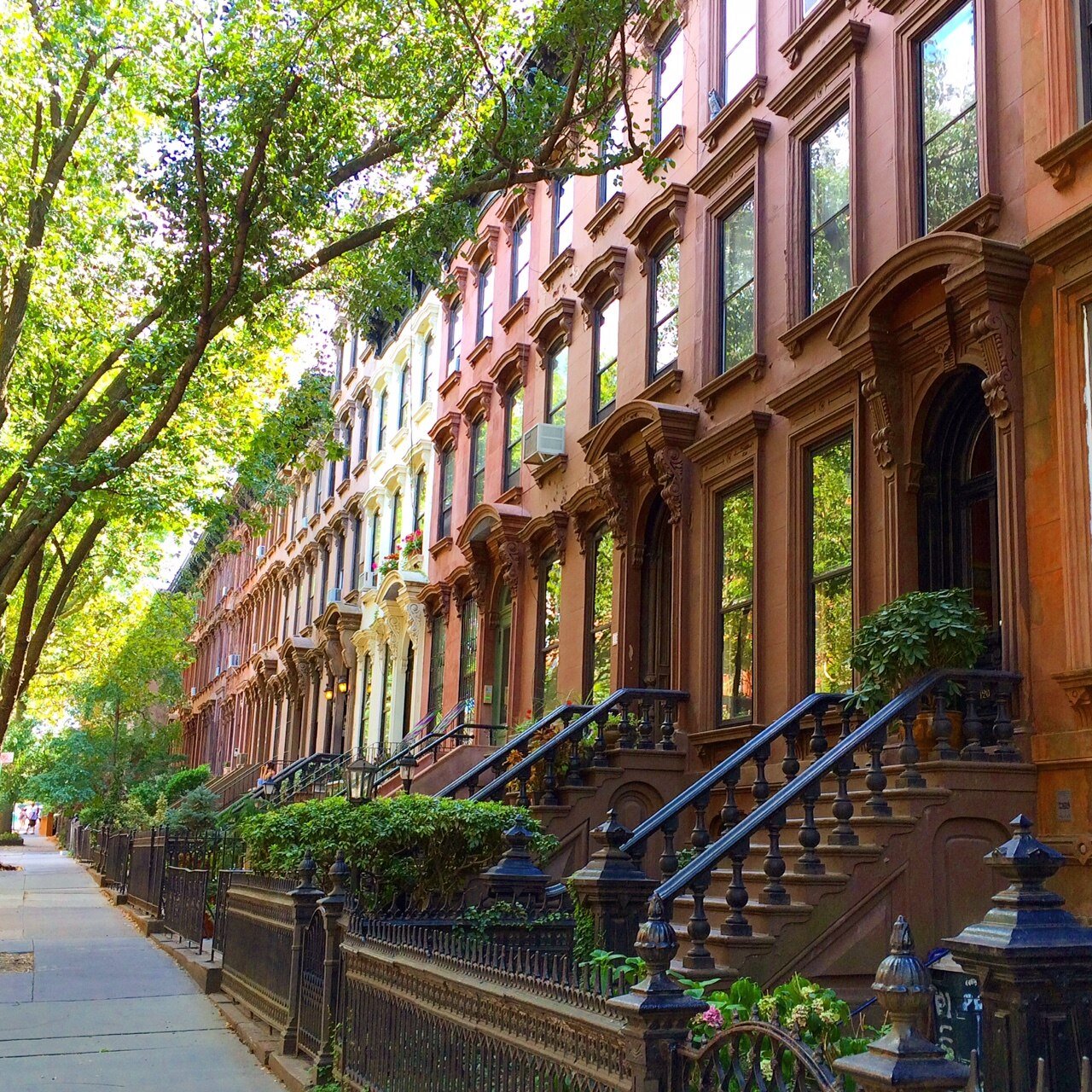
Grand brownstones with historic details
-
Stately prewar elevator buildings
-
Tree-lined blocks that feel both elegant and urban
The atmosphere is energetic and highly walkable. Cafés, restaurants, boutiques, and cultural institutions are woven into everyday life. As The Real Deal has frequently reported, proximity and convenience consistently drive premium pricing, and North Slope reflects that reality.
Homes here tend to trade at higher price points, not simply because of size, but because of location efficiency. For buyers who value being close to everything—park access, transit, and cultural life—North Slope often feels like the right key signature.
South Slope: Calm, Character, and Flexibility
South Slope offers a noticeably different rhythm.
As you move farther south, the neighborhood becomes quieter and more residential. Blocks feel less trafficked, and the pace slows just enough to register. While still well connected by subway lines such as the F, G, and R, South Slope doesn’t feel rushed.
Housing stock here is more varied:
-
Smaller brownstones and townhomes
-
Mixed-use buildings
-
Newer condo developments alongside older structures
This architectural variety creates more entry points at different price levels, which is one reason South Slope has become increasingly attractive to buyers seeking value without leaving Park Slope altogether.
The New York Times has noted that many buyers are willing to trade a few extra minutes of walking for a quieter day-to-day experience. South Slope speaks directly to that preference.
Pricing Isn’t About “Better”—It’s About Fit
One of the most common misconceptions I hear is that North Slope is “better” and South Slope is a compromise. That framing misses the point.
Pricing differences between the two areas reflect:
-
Proximity to Prospect Park and transit
-
Building type and unit mix
-
Lifestyle demand, not quality
From an investment standpoint, both areas have shown long-term resilience. From a personal standpoint, the right choice depends on how you live.
Do you:
-
Commute daily and want maximum convenience?
-
Prefer lively streets and immediate access to culture?
Or do you:
-
Work remotely or locally?
-
Value quieter evenings and residential calm?
Those answers matter more than any headline number.
What Buyers Should Know
For buyers, choosing between North and South Slope is about alignment, not aspiration.
Ask yourself:
-
How often will I use the subway?
-
Do I want park access within a block or a few minutes away?
-
Does energy energize me—or drain me?
Buyers who make decisions based on lifestyle clarity tend to feel confident long after closing.
What Sellers Should Understand
For sellers, location nuance is strategy.
Positioning a North Slope property requires highlighting access, walkability, and prestige. Positioning a South Slope property means emphasizing calm, flexibility, and value within Park Slope proper.
As The Real Deal regularly notes, accurate storytelling drives stronger buyer engagement. The market responds best when expectations match reality.
Tuned Differently—Not Better or Worse
In music, you don’t argue whether a violin is better than a cello. They serve different roles. Park Slope works the same way.
North Slope and South Slope aren’t competing.
They’re complementing two different ways of living.
Understanding that distinction allows buyers to choose confidently and sellers to market intelligently—without forcing comparisons that don’t serve anyone.
Final Thoughts
Whether you’re buying or selling in Park Slope, strategy begins with nuance. The more precisely a property is aligned with the right audience, the stronger the outcome tends to be.
If you’re thinking about a move—or simply want clarity about where you stand in today’s Brooklyn market—I’m always happy to talk it through.
I’m Peter Mancini, member of REBNY & BNYMLS — delivering A Signature Experience.