If you picture Brooklyn Heights and instantly think of the Promenade, you are not alone. That elevated waterfront edge gives the neighborhood much of its identity, but daily life here is about more than a famous view. If you are considering a move to Brooklyn Heights or simply want to understand what it feels like to live near the Promenade, this guide will walk you through the rhythms of the area, from mornings by the water to errands on Montague Street and getting around the city with ease. Let’s dive in.
Why the Promenade Shapes Daily Life
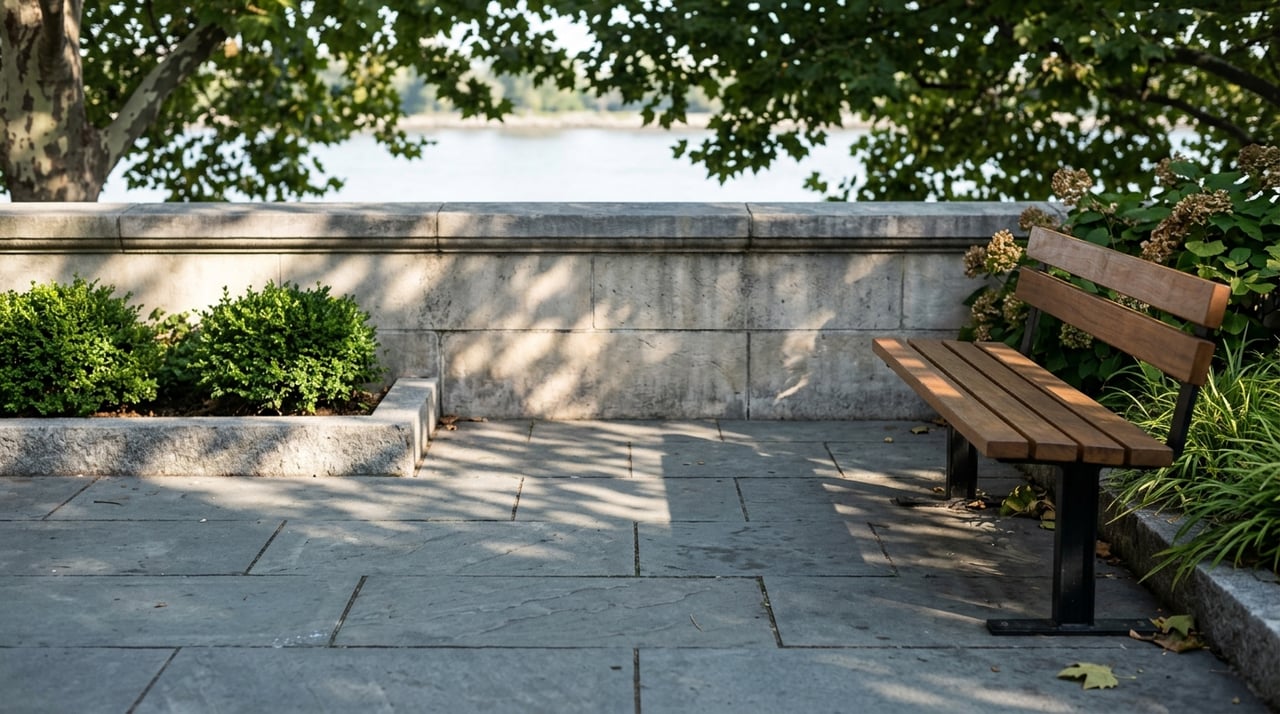
The Brooklyn Heights Promenade is the neighborhood’s signature public space. According to NYC DOT, it sits on an elevated platform above the Brooklyn-Queens Expressway and the waterfront below, with a walkway, benches, and a small playground running from Orange Street south to Remsen Street.
That physical setup matters because it gives you an easy, everyday connection to open space without leaving the neighborhood. Instead of feeling like a special-occasion destination, the Promenade can become part of your regular routine, whether that means a morning walk, a quiet bench break, or an evening stroll.
The views are a major part of the experience. NYC’s MOME location library notes that the Promenade overlooks the Brooklyn Bridge, the Manhattan skyline, New York Harbor, and the South Street Seaport, which helps explain why even a short walk here can feel memorable.
What Living Near the Promenade Feels Like
Living near the Promenade often means having a rare mix of calm and connection. The interior blocks of Brooklyn Heights are widely known for their preserved residential feel, while the waterfront edge opens the neighborhood outward toward the harbor and Lower Manhattan.
That contrast is part of what makes the area distinctive. You can be on a quieter, historic-looking block one moment and then step out to broad skyline views and active public space the next.
For many residents, that creates a lifestyle built around small, repeatable rituals. You might start the day with a walk along the Promenade, meet a friend for coffee on Montague Street, run a few errands on foot, and still have several transit options nearby when it is time to head elsewhere in Brooklyn or into Manhattan.
Brooklyn Bridge Park Extends the Waterfront
The Promenade may be the headline feature, but Brooklyn Bridge Park expands what waterfront living looks like in this part of Brooklyn. The park spans 85 acres and stretches 1.3 miles along the East River next to Brooklyn Heights and DUMBO.
That scale gives you more ways to spend time outdoors without needing a big plan. The park offers riverfront promenades, gardens, lawns, playgrounds, piers, and other recreation spaces, and it is open daily from 6 a.m. to 1 a.m. with free entry.
In practical terms, that means outdoor time can fit into your schedule in a flexible way. Early walks, casual evening outings, and relaxed weekend time by the water are all realistic parts of living nearby.
Another important detail is how the waterfront was shaped. Brooklyn Bridge Park’s history notes that the park’s siting preserved the protected view corridor from the Promenade, which helps maintain one of the neighborhood’s defining visual features.
Montague Street Handles Everyday Convenience
A great lifestyle neighborhood is not just scenic. It also needs a dependable everyday core, and in Brooklyn Heights that role belongs to Montague Street.
NYC DOT identifies Montague Street as a major retail street lined with restaurants and shops. The Montague Street BID also describes a three-block stretch focused on shopping, eating, drinking, and services, which helps explain why so many day-to-day needs can be handled close to home.
The business mix supports an easy errand routine on foot. The BID directory includes coffee shops, bookstores, dining, beauty and spa businesses, fitness and wellness options, pet-related businesses, laundry, and other practical services.
That kind of compact commercial strip changes how a neighborhood feels. When you can pick up essentials, stop for coffee, or handle a few tasks without a long trip, the area becomes more livable in a very real way.
Montague Open Streets Adds Flexibility
Seasonal Open Streets programming adds another layer to life near the Promenade. During these events, Montague Street between Clinton and Hicks is closed to car traffic and used as a car-free public space for free activities while supporting local merchants.
For residents, that can make the neighborhood feel even more social and accessible. It reinforces the idea that Brooklyn Heights is not just beautiful to look at, but also designed around how people actually spend their time.
Transit Is Part of the Lifestyle
One of the biggest advantages of living near the Promenade is that the neighborhood feels residential without feeling isolated. Brooklyn Heights has several nearby transit connections that make cross-river access and broader city travel part of everyday life.
Clark Street is served by the 2 and 3 trains. Borough Hall is served by the 2 and 3 trains, with 4 and 5 weekday service and the R train, and High Street is served by the A and C trains.
That range of service gives you options depending on where you are headed and what part of the neighborhood you are in. For many buyers, that flexibility is a major quality-of-life factor because it helps support commutes, social plans, and city access without giving up a more residential setting.
Ferry and Bridge Access Matter Too
Subway access is only part of the picture. NYC Ferry’s East River route serves nearby DUMBO and Fulton Ferry as well as Wall Street and Pier 11, and it is described as connecting East River communities with Midtown and the Financial District. The South Brooklyn route also serves Atlantic Ave and Brooklyn Bridge Park Pier 6.
The Brooklyn Bridge adds another mobility option. NYC DOT notes that it connects Lower Manhattan and Brooklyn Heights and includes both a pedestrian promenade and a protected bicycle path.
That means walking or biking into Manhattan is not just a tourist activity. It is part of the broader mobility story of the neighborhood, especially for people who value having more than one way to move through the city.
Historic District Character Shapes the Look
Brooklyn Heights is not visually consistent by accident. The Landmarks Preservation Commission defines historic districts as areas with architectural and historical significance and a distinct sense of place, and Brooklyn Heights is one of its named examples.
The Brooklyn Heights Historic District was designated on November 23, 1965. That designation helps explain why so much of the neighborhood feels cohesive, especially on the interior residential streets.
For you as a buyer or seller, that historic framework is useful context. It helps clarify why Brooklyn Heights often feels both established and distinctive, with a landmarked residential core that works hand in hand with the public waterfront edge.
Who This Lifestyle Appeals To
Living near the Promenade can appeal to a wide range of buyers, but the common thread is usually lifestyle balance. Many people are drawn to the idea of having open space, a recognizable neighborhood center, and strong Manhattan access in one place.
If you want a setting that feels rooted and residential while still closely connected to the rest of New York City, Brooklyn Heights stands out. The combination of the Promenade, Brooklyn Bridge Park, Montague Street, and multiple transit choices creates a neighborhood rhythm that is hard to replicate.
It can also be a strong fit if you value walkability in the practical sense. This is not just about picturesque streets. It is about being able to move through your day with parks, services, and transportation all working together.
What Buyers and Sellers Should Keep in Mind
For buyers, the lifestyle case for Brooklyn Heights is often clearest when you see how the pieces connect. The value is not only the waterfront view or the historic architecture on its own. It is the way public space, daily convenience, and city access combine into a highly functional neighborhood experience.
For sellers, those same lifestyle features often help tell the story of a home. A well-positioned property near the Promenade may offer buyers access to one of Brooklyn’s most recognizable public spaces, nearby waterfront recreation, a compact local retail corridor, and multiple ways to reach Manhattan and other parts of Brooklyn.
This is where neighborhood-level guidance matters. When you understand how people actually live in Brooklyn Heights, it becomes much easier to evaluate what makes a property compelling and how to present it clearly in the market.
If you are thinking about buying, selling, or simply exploring your options in Brooklyn Heights, working with a local team that can translate lifestyle into strategy makes a real difference. The Signature Team can help you understand how a specific block, building, or property fits into the bigger Brooklyn Heights picture. As a top real estate agent in Brooklyn who works this neighborhood closely, Peter Mancini can help you connect that picture to the right property and the right strategy.
FAQs
What is the Brooklyn Heights Promenade like for everyday use?
- The Brooklyn Heights Promenade is a public open space with a walkway, benches, and a small playground, so it works well for daily walks, short breaks, and casual time outdoors.
How does Brooklyn Bridge Park affect life in Brooklyn Heights?
- Brooklyn Bridge Park adds 85 acres of public waterfront space with promenades, gardens, lawns, playgrounds, piers, and recreation areas, giving you many more ways to enjoy the waterfront close to home.
What does Montague Street offer in Brooklyn Heights?
- Montague Street serves as a major retail corridor with restaurants, shops, coffee spots, and everyday services, which makes errands and casual outings easy to do on foot.
What transit options serve Brooklyn Heights near the Promenade?
- Nearby transit includes the 2 and 3 at Clark Street, the 2, 3, 4, 5, and R at Borough Hall, and the A and C at High Street, along with ferry access and walking or biking via the Brooklyn Bridge.
Why does Brooklyn Heights look so architecturally consistent?
- Brooklyn Heights includes a designated historic district, which helps preserve its distinct sense of place and contributes to the neighborhood’s recognizable residential character.