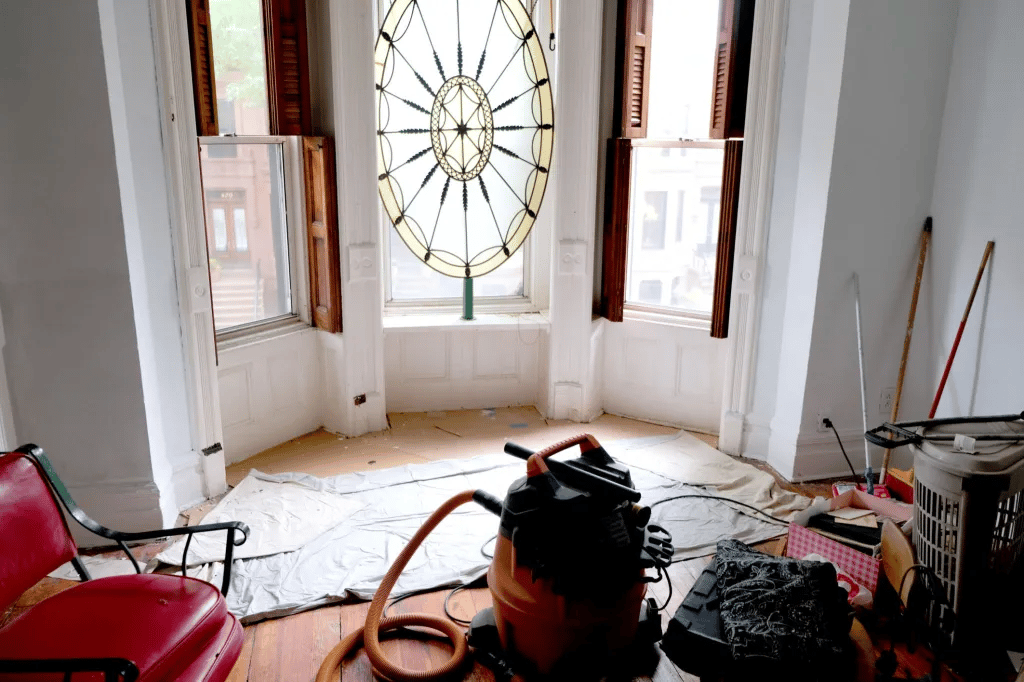
Brooklyn Brownstone Interior Renovation.
How Smart Buyers and Sellers Use Inspections as Leverage in Brooklyn Real Estate
In music, a wrong note doesn’t end the performance.
It guides the adjustment.
As a trained tenor and former music educator, I learned early on that mistakes aren’t failures—they’re information. You listen, recalibrate, and continue with confidence. The best performers don’t panic when something sounds off; they adapt.
Inspection reports in Brooklyn real estate work the exact same way.
Yet for many buyers and sellers, the inspection phase is where anxiety spikes. A long report arrives. Pages of notes. Photos, recommendations, disclaimers. Suddenly, what felt like a smooth transaction feels fragile.
But here’s the truth: inspection reports are not designed to derail deals. They’re designed to inform decisions and guide negotiations.
Both The New York Times and The Real Deal consistently emphasize that inspections are a tool—not a verdict. When used strategically, they protect buyers, preserve leverage for sellers, and keep transactions moving forward.
What an Inspection Report Really Is (And What It Isn’t)
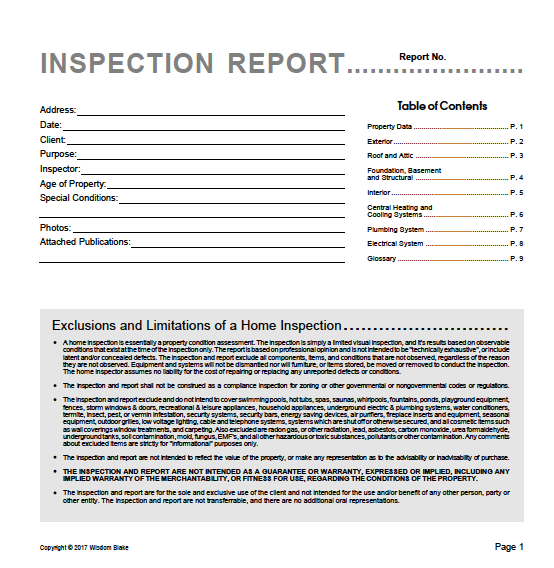
An inspection report is a snapshot in time. It documents the visible condition of a property on a specific day, under specific conditions. Inspectors are trained to be thorough and conservative—they point out everything they see, from minor wear to items worth deeper evaluation.
What an inspection report is:
- A risk-assessment tool
- A negotiation framework
- A checklist for prioritization
What it is not:
- A condemnation of the property
- A surprise attack on the seller
- A reason to panic or walk away automatically
In Brooklyn, where many homes are older brownstones, townhouses, and pre-war co-ops, inspection reports will almost always flag items. That’s normal. Age, character, and history come with maintenance realities.
The mistake happens when buyers or sellers treat routine findings as catastrophic discoveries.
Most Inspection Findings Are Manageable
One of the biggest misconceptions in real estate is that inspections uncover “deal-breaking” issues most of the time. In reality, the majority of findings fall into three categories:
1. Items That Can Be Repaired
Loose railings. GFCI outlets. Minor plumbing adjustments. Deferred maintenance. These are common and often inexpensive fixes.
2. Items That Can Be Credited
Instead of repairs, sellers may offer credits at closing. This gives buyers control over how and when the work is completed while keeping the deal on track.
3. Items Already Reflected in the Price
Savvy buyers and agents often anticipate condition issues based on the age and presentation of the property. Many inspection findings simply confirm what the market already priced in.
This is why reaction matters more than the report itself.
Why Panic Is the Real Risk
In music, panic causes performers to rush, miss cues, or abandon the rhythm altogether. In real estate, panic leads to emotional decisions—overreactions, ultimatums, or walking away from strong opportunities unnecessarily.
Here’s what panic looks like in transactions:
- Buyers demanding unrealistic repairs
- Sellers refusing to engage at all
- Negotiations becoming personal instead of strategic
- Deals stalling or collapsing over solvable issues
According to The New York Times, the inspection phase is one of the most emotionally charged moments in a transaction—not because the issues are unsolvable, but because fear clouds judgment.
Calm strategy, on the other hand, preserves leverage.
How Smart Negotiation Actually Works After an Inspection
The strongest negotiations don’t start with emotion—they start with prioritization.
A strategic approach looks like this:
- Separate safety issues from cosmetic ones
- Focus on material defects, not perfection
- Quantify solutions (repairs vs. credits)
- Maintain forward momentum
This is where experience matters. Knowing what’s typical for Brooklyn housing stock—and what’s truly unusual—allows negotiations to stay grounded in reality.
The Real Deal has repeatedly highlighted that transactions most often fall apart when inspection negotiations become adversarial instead of collaborative.
Real estate isn’t about winning a battle. It’s about closing a deal that works for both sides.
Brooklyn-Specific Context Matters
Inspection reports don’t exist in a vacuum. A 100-year-old brownstone in Park Slope is evaluated differently than a new condo in Williamsburg or a pre-war co-op in Bay Ridge.
Understanding local construction styles, building systems, and historical norms changes everything:
- Original joists vs. modern framing
- Masonry foundations vs. poured concrete
- Shared systems in co-ops vs. individual responsibility
Without that context, buyers may misinterpret normal aging as alarming risk. Sellers may feel unfairly criticized for conditions that are standard for the neighborhood.
This is why inspections should always be reviewed through a Brooklyn lens.
Inspections as Leverage, Not Landmines
When approached correctly, inspection reports become leverage:
- Buyers gain clarity and negotiating power
- Sellers gain certainty and a clear path forward
- Both sides reduce surprises later in the transaction
Just like in music, feedback isn’t the enemy. Misreading feedback is.
The goal isn’t a flawless report. The goal is an informed agreement.
Final Thought: Strategy Beats Emotion Every Time
In performance, the audience rarely notices a wrong note if the musician recovers with confidence. In real estate, the same principle applies. Inspection issues don’t define the outcome—the response does.
- Calm analysis.
- Clear communication.
- Smart negotiation.
That’s how deals close in Brooklyn.
If you’re buying or selling and want guidance that replaces fear with strategy, that’s exactly where experienced representation makes the difference.
I’m Peter Mancini, member of REBNY & BNYMLS — delivering A Signature Experience.