If you are looking at a small multifamily building in Park Slope, it is easy to fall in love with the façade and miss the numbers and legal details that really drive performance. In this part of Brooklyn, value often comes from stable demand, limited supply, and classic rowhouse-scale buildings, but the risks can hide in rent rolls, violations, landmark rules, and tax treatment. If you want to evaluate a deal with more confidence, this guide will show you what matters most and where to verify it. Let’s dive in.
Why Park Slope draws multifamily buyers
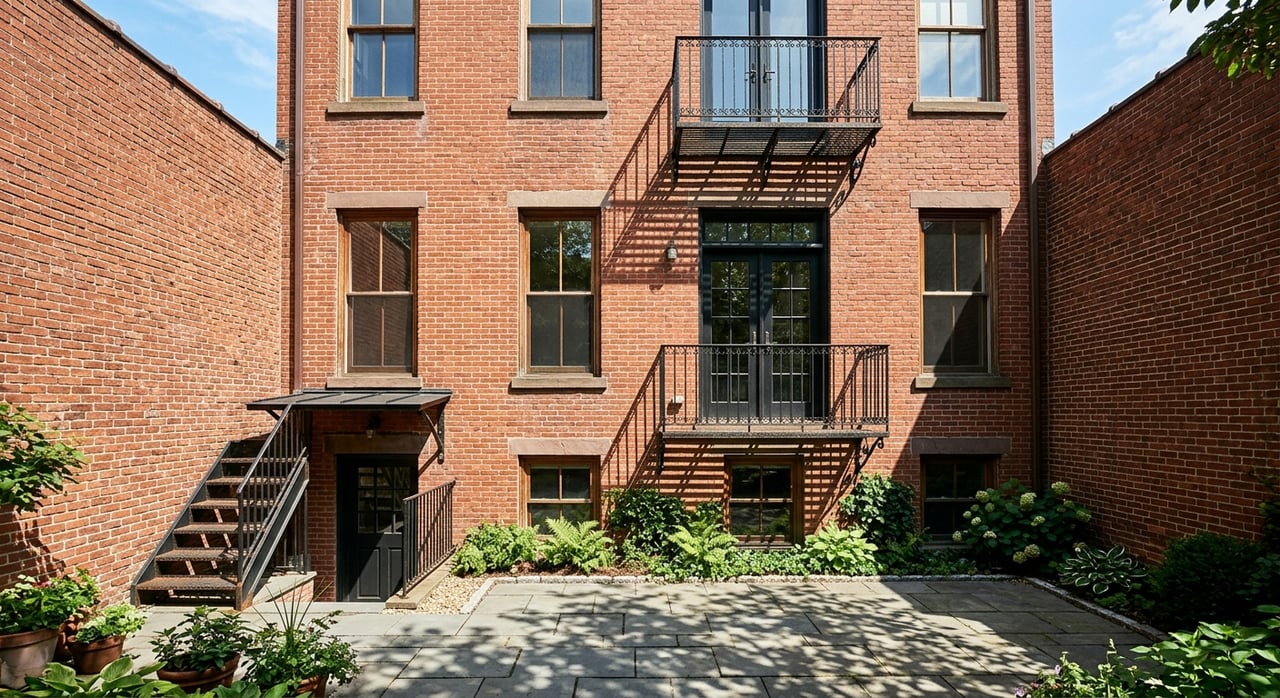
Park Slope offers a mix of physical character and durable housing demand that gets the attention of both local and long-term investors. City planning and landmarks sources describe the neighborhood as being dominated by two- to five-story rowhouses on narrow lots, with larger apartment houses closer to Prospect Park. In many cases, those buildings are already configured for multifamily use, which makes the area especially relevant for buyers looking at small income properties.
The neighborhood also sits within a preservation-heavy environment. The Park Slope Historic District and Extension II protect 2,853 buildings, which means a meaningful share of the housing stock is affected by landmark rules and design review. That can help preserve neighborhood character, but it also changes how you should think about renovations, timelines, and capital planning. You can review official permit rules through the Landmarks Preservation Commission permit types page.
From a market perspective, the broader BK06 Park Slope/Carroll Gardens area had 123,309 residents in 2023, with a 39.7% homeownership rate and a renter base that includes both households with children and smaller households. That matters when you are evaluating unit mix and long-term leasing demand. The Furman Center neighborhood profile is the best current proxy for these local market indicators.
Start with building type and location
Not every Park Slope multifamily building should be underwritten the same way. Historic multiple dwellings in the neighborhood were often three- and four-story buildings without elevators, and tenement-style buildings commonly sat on 20- to 25-foot lots. Two-family houses are also part of the neighborhood fabric, which means building form alone does not tell you everything about legal use, rent potential, or capital needs.
Location inside the neighborhood matters too. Fifth and Seventh Avenues are the major shopping streets, while Fourth Avenue has been treated as the corridor with more room for apartment-house density. If you are analyzing a mixed-use building, avenue retail conditions and zoning context should be considered property by property rather than applied broadly across all of Park Slope. The City Planning materials for the area are useful for understanding that corridor-specific context.
Review demand before you project income
A good Park Slope deal usually starts with realistic income expectations, not optimistic ones. In 2023, median gross rent in BK06 was $2,780, while recent movers paid $3,350. Median rents were reported at $2,560 for studio and one-bedroom units and $3,050 for two- and three-bedroom units, with an overall vacancy rate of 3.6%.
Those numbers suggest healthy demand, but they do not give you permission to assume every unit can be pushed to market quickly. Park Slope and nearby Carroll Gardens also show signs of affordability pressure, with 14.4% of renter households severely rent burdened. That means tenant retention, lease quality, and unit condition can matter just as much as headline asking rents.
Compare pricing with clear expectations
High demand does not always mean easy math. Furman Center data shows that in 2024, the median sales price per unit was $1,047,920 for 2-4 family buildings and $425,000 for 5+ family buildings in the broader district. Those figures point to strong capital values, but they also remind you that Park Slope small multifamily assets often trade on scarcity, condition, and legal quality, not just current income.
Supply has grown too, even in a constrained market. In 2024, 628 residential units were authorized by new permits and 438 new certificates of occupancy were issued. Between 2010 and 2024, 3,961 units in 4+ unit buildings were built, with roughly 81% market-rate and about 10% targeted to low-income households, according to the Furman Center neighborhood data.
Verify the rent roll carefully
In New York City, rent status should never be guessed from appearance, tenant profile, or current rent level. Rent stabilization generally applies to apartments in buildings with 6 or more units built before 1974, and under current law, a stabilized apartment generally remains stabilized regardless of how high the rent rises unless the building received a 421-a exemption. The safest move is to verify each apartment individually.
If rent status is unclear, check the lease and request the apartment’s rent history from HCR. The city’s Rent Stabilization overview is a useful starting point for understanding the rules. If you are buying a building with existing tenants, this step is one of the most important parts of due diligence.
There are also process obligations that can affect management and cash flow. For stabilized units, renewal leases must be offered at least 120 days before expiration. Rent registration with New York State HCR is required, and NYC annual property registration is a separate requirement, as outlined in the NYC property registration guidance.
Check subsidy history and expiry risk
Some buildings in the broader Park Slope and Carroll Gardens district carry subsidy history that can materially affect underwriting. Furman reports 126 subsidized properties in the district, including 99 with 421-a and 25 with LIHTC. Some of these subsidies are due to expire between 2025 and 2040.
If you are looking at a building with regulated rents or a tax-benefit history, you should understand not just what the current numbers are, but why they are what they are. A building with an expiring benefit may have a very different future income and expense profile than one without that history. This is another reason that document review needs to go beyond the offering memorandum.
Understand short-term rental limits
If part of your investment plan depends on short-term rental income, Park Slope underwriting needs a reality check. Under New York City’s Local Law 18, rent-regulated units cannot be registered for short-term rentals, and hosts must be permanent occupants. That means many common assumptions about flexible rental income simply will not apply.
The city has been explicit on these restrictions, including enforcement related to rent-stabilized buildings. You can review the city’s short-term rental enforcement notice for context. For most small multifamily buyers here, the safer approach is to underwrite based on legal long-term occupancy.
Inspect condition and compliance records
In Park Slope, condition is not just about cosmetic updates. Serious housing code violations in the broader district stood at 45.8 per 1,000 privately owned rental units in 2024. That makes deferred maintenance, active violations, and incomplete filings real underwriting issues.
Before you price a deal, review the city record trail carefully. The Department of Buildings recommends checking the Building Information System and DOB NOW records for certificate of occupancy data, violations, complaints, applications, inspections, and boiler, elevator, or façade filings. You should also review HPD Online for complaints, violations, property registration, litigation, and vacate orders, and check ACRIS for deeds, mortgages, satisfactions, and other recorded documents.
Factor in landmark and historic district rules
A beautiful brownstone exterior can be part of the value story, but it can also shape your renovation budget and timeline. If a property is landmarked or located within a historic district, most exterior changes require LPC review, including restoration, alteration, demolition, and new construction. Even work that gets DOB approval can still need a separate LPC permit.
You should also check for active landmark violations, since they stay with the property until they are corrected. That can complicate a refinance, a resale, or planned exterior work. In a neighborhood with so many protected buildings, landmark due diligence is a core step, not an afterthought.
Model taxes the right way
Property taxes can change the feel of a deal very quickly, especially on a smaller building where expenses are spread across fewer units. In New York City, 4-10 unit rentals are generally treated as class 2AB small rentals, valued using a gross income multiplier approach. For buildings with 10 or fewer units, assessed value growth is capped at 8% per year and 30% over five years.
The 2026 class 2 tax rate is 12.439%, according to the city’s property tax overview. That does not remove the need for building-specific analysis, but it gives you a framework for modeling expenses and understanding why tax treatment can differ from what buyers expect in other asset classes.
Focus on the real drivers of performance
In Park Slope, long-term upside is often less about major redevelopment and more about execution. Because the neighborhood is rowhouse-scale, preservation-sensitive, and relatively supply-constrained, performance is often driven by legal rent status, maintenance quality, tenant retention, and disciplined capital planning. Buyers who underwrite carefully usually do better than buyers who simply chase a charming block and a projected cap rate.
That is why a strong evaluation process should include:
- Verifying legal unit status and certificate of occupancy
- Reviewing rent rolls unit by unit
- Checking rent stabilization and subsidy history
- Pulling DOB, HPD, LPC, and ACRIS records
- Stress-testing repair and compliance costs
- Modeling taxes with the correct class treatment
- Adjusting expectations for corridor, building type, and tenant profile
If you are considering a Park Slope small multifamily purchase or preparing one for sale, working with a team that understands Brooklyn building stock, local records, and deal structure can save you time and costly surprises. If you want clear, neighborhood-first guidance on your next move, connect with The Signature Team.
FAQs
What should you verify first when evaluating a small multifamily building in Park Slope?
- Start with legal status, including the certificate of occupancy, unit count, rent roll, and whether any apartments may be rent stabilized.
How common are historic district issues for Park Slope multifamily properties?
- They are very relevant because a meaningful share of Park Slope’s building stock sits within protected historic district boundaries, which can affect exterior work and permit timelines.
How do rent stabilization rules affect a Park Slope investment property?
- Rent stabilization can limit rent increases and create renewal and registration obligations, so each unit’s status should be verified individually rather than assumed.
What public records should you review for a Park Slope building before making an offer?
- Review DOB records, HPD Online records, LPC permit or violation history if applicable, and ACRIS documents for title, mortgage, and recorded property history.
Why does tax class matter for a small multifamily building in Park Slope?
- Tax class affects how the property is valued and taxed, which directly impacts cash flow and can materially change your underwriting.
Can you use short-term rental income when underwriting a Park Slope multifamily building?
- In many cases, no, because New York City rules restrict short-term rentals, and rent-regulated units cannot be registered for that use.