Trying to choose between Park Slope and its nearby Brooklyn neighbors? You want the right mix of historic charm, easy park access, reliable transit, and solid long‑term value. This guide breaks down how Park Slope compares with Windsor Terrace, Gowanus, and Prospect Heights so you can focus your search with confidence. You’ll see how housing types, Prospect Park proximity, daily feel, and development plans differ just a few blocks apart. Let’s dive in.
Park Slope in context
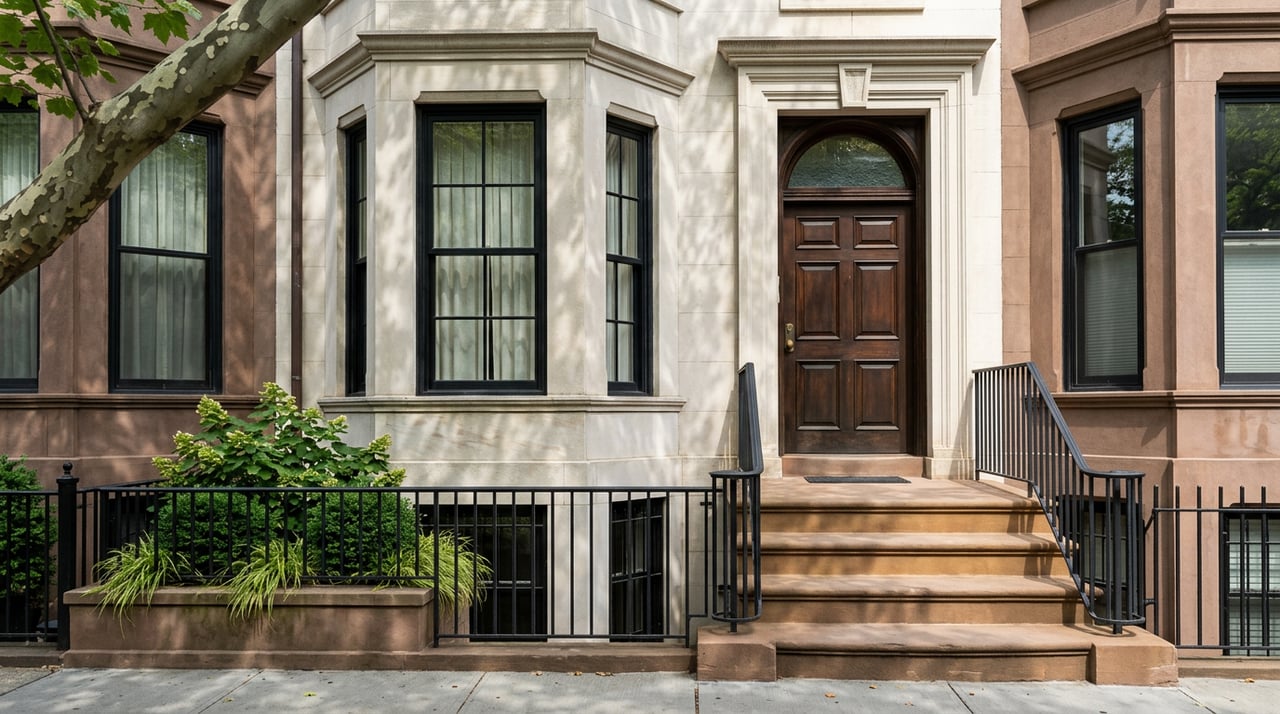
Park Slope hugs the west side of Prospect Park, with many streets protected for their historic character and consistent low‑rise scale. Large portions of the neighborhood include landmarked brownstone blocks that preserve stoops, mature trees, and period details. If architectural character and continuity matter to you, that protected fabric is a major draw. You can learn more about the area’s historic protections from the Historic Districts Council’s overview of Park Slope’s brownstone districts.
Park adjacency is one of Park Slope’s defining strengths. Many blocks are minutes from entrances, and some homes sit right along Prospect Park West. If you value daily green space for jogs or dog walks, that edge location is hard to beat. A quick primer on the neighborhood’s setting is available in this Park Slope area snapshot that highlights its park‑side position.
Transit is balanced and practical. The F and G lines run through the neighborhood, and the Atlantic Avenue–Barclays hub is within reach for express access across multiple subway trunks. StreetEasy’s market snapshots have also shown a high share of homes selling above asking in recent periods, a sign of steady buyer demand. Review their latest summary for context on current market momentum across Brooklyn.
Windsor Terrace: quiet and close to the park
If you want a calmer, small‑scale feel near Prospect Park, Windsor Terrace sits just south and southwest of Park Slope. It is compact and residential with a village‑like pace. Local retail is more dispersed, so day‑to‑day errands feel neighborly rather than corridor‑based. A neighborhood guide describes Windsor Terrace as low‑rise, quieter, and very close to park entries.
Housing is mainly small apartment houses, rowhouses, and some single‑family homes. You will see fewer new mid‑rise developments than north of the park. That lighter density helps keep blocks quiet and easy to navigate.
Prospect Park access is excellent here, with short walks to multiple entries. The F and G stops at 15th St–Prospect Park and Fort Hamilton Parkway keep you connected while preserving the slower residential feel. If quick park time is central to your lifestyle, Windsor Terrace is an efficient option.
On pricing, recent coverage has often flagged Windsor Terrace as a more affordable alternative to Park Slope, though inventory can be limited and competitive. BrickUnderground’s neighborhood‑watch roundups have highlighted this pattern. Always confirm current medians and days on market before you act.
Gowanus: change, new supply, and amenities
Gowanus sits just west of Park Slope and has a distinct, evolving character. Historically industrial, it mixes converted lofts, art spaces, and newer mid‑rise projects with an urban, eclectic streetscape. You will experience wider blocks, active construction, and a blend of residential and light‑industrial uses. Local reporting captures that industrial‑to‑mixed‑use transition well.
A major driver of change is the Gowanus Neighborhood Plan. City documents outline commitments tied to the rezoning, including a pipeline of roughly 8,500 new homes with about 3,000 affordable units through Mandatory Inclusionary Housing and public‑site projects. That level of new supply is the most significant near‑term shift in the area compared with Park Slope’s more constrained growth. The City Council’s Points of Agreement summarize these commitments and related public‑realm and infrastructure items.
Environmental work around the Gowanus Canal is also material for buyers. The canal is an active EPA Superfund site, with ongoing dredging, capping, and bulkhead work, plus long‑term combined sewer overflow infrastructure projects. If you are considering a home near the canal, review the EPA’s site resources to understand current project phases, staging, and monitoring.
Market‑wise, Gowanus has seen rapid inventory growth as new rentals and condos deliver. That can create chances to buy earlier in new product cycles, often with amenities, but you should weigh construction timelines, future deliveries, and shifting comps when you assess value and resale potential.
Prospect Heights: transit access and mixed building types
Prospect Heights sits just north of Park Slope, across Grand Army Plaza and along Vanderbilt and Flatbush corridors. You will find classic brownstones on many blocks paired with larger prewar apartment buildings and newer mixed‑use construction closer to Atlantic Terminal. Its setting near cultural anchors and major retail gives the area a more urban energy.
Commuting is a core strength. The Atlantic Avenue–Barclays transit hub provides multiple trunk lines, which can shorten trips to Midtown and Lower Manhattan. StreetEasy’s citywide snapshots have shown strong buyer engagement for nearby neighborhoods in recent periods, which often aligns with Prospect Heights’ transit and central‑Brooklyn location. Check the latest market reporting to see how this translates to current competition levels.
If you want a blend of brownstone charm and larger building options near a major transit node, Prospect Heights is worth a closer look.
Side‑by‑side trade‑offs
Housing stock and scale
- Park Slope: Historic brownstones, prewar co‑ops, and low‑rise condos on landmarked blocks that preserve stoops and tree canopies.
- Windsor Terrace: Lower density with small apartment houses, rowhouses, and some single‑family homes; fewer mid‑rise projects.
- Gowanus: Newer mid‑rise and high‑rise supply with modern amenities; less consistent historic fabric than Park Slope.
- Prospect Heights: A mix of brownstones, larger prewar buildings, and newer condos near Atlantic Terminal.
Learn more about Park Slope’s protected fabric in the Historic Districts Council’s overview, and see Windsor Terrace’s low‑rise profile in this neighborhood guide.
Prospect Park access
- Park Slope: Immediate edge, with many blocks just minutes from the park.
- Windsor Terrace: Very close on the south and southwest sides, with easy entries and calm streets.
- Prospect Heights: Walkable to the north side, though fewer park‑front blocks than Park Slope.
- Gowanus: Varies by block; typically a longer walk to the park compared to Park Slope and Windsor Terrace.
A quick Park Slope area snapshot underscores its park‑side orientation.
Transit and commuting
- Park Slope: F and G lines through the neighborhood with access to Atlantic Avenue–Barclays for broader connections.
- Prospect Heights: Immediate reach to the Atlantic hub for multiple express lines and faster Manhattan options.
- Gowanus: Close to several lines in parts, but commute times can vary block by block as new development fills in.
- Windsor Terrace: Served by F and G; slightly more removed from express trunks but quieter on most residential streets.
For a market‑level view of recent demand and competition patterns that often reflect transit access, review StreetEasy’s latest Brooklyn snapshots.
Streetscape, retail, and daily life
- Park Slope: Concentrated retail and dining on 5th and 7th Avenues with a consistent historic streetscape.
- Windsor Terrace: More dispersed local retail with a calm, residential feel.
- Gowanus: An eclectic, industrial‑leaning vibe with creative spaces and growing food and nightlife; larger mixed‑use sites are planned as projects deliver.
- Prospect Heights: Neighborhood shopping plus major commercial nodes near Atlantic and Flatbush.
Local reporting highlights how Gowanus is transitioning from industrial to mixed‑use districts.
Development and near‑term risk
- Gowanus: The rezoning introduces significant new housing and infrastructure. Expect active construction, shifting comparables, and evolving streets over the next several years.
- Park Slope and Windsor Terrace: Historic protections and existing low‑rise zoning generally limit new supply, which helps preserve character and can support pricing stability.
- Prospect Heights: Ongoing activity near Atlantic Terminal and mixed‑use nodes, but at a smaller scale than the Gowanus pipeline.
You can review the City Council’s Points of Agreement for Gowanus to see the scope of planned housing and public investments.
Environmental and infrastructure notes
- Gowanus Canal: Superfund cleanup with staged dredging and capping, plus long‑term CSO infrastructure. If you are considering Gowanus‑adjacent properties, read the EPA site profile for the latest updates.
How to choose your micro‑market
Use these quick questions to focus your search.
Do you want daily park access?
- If yes, prioritize Park Slope or Windsor Terrace for the shortest, easiest walks to Prospect Park.
Is historic, low‑rise character a must‑have?
- Park Slope’s landmarked blocks are a match, and Windsor Terrace offers a quieter, low‑rise setting. Gowanus trends newer with modern amenities.
Is the fastest Manhattan commute a top priority?
- Prospect Heights and parts of Park Slope near Atlantic Avenue–Barclays offer multiple express options.
What is your tolerance for construction and new‑supply risk?
- Gowanus has the largest pipeline. You may access more new units sooner, but weigh construction staging, future deliveries, and shifting comps.
Do you value resale liquidity over a lower entry price?
- Park Slope and Prospect Heights tend to show sustained buyer interest. Gowanus can offer competitive pricing in some phases with more variance as new inventory absorbs.
On‑the‑ground checks before you bid
- Walk the block at different times to gauge noise, traffic, and retail hours.
- If considering Gowanus, ask for a nearby development map and expected construction timelines. The City Council’s Points of Agreement is a helpful baseline for area‑wide commitments.
- For older brownstones or prewar co‑ops, review recent mechanical upgrades and any waterproofing or drainage work, especially for garden or basement levels.
- For Gowanus‑adjacent homes, check the EPA’s site profile for current cleanup milestones and CSO infrastructure timing.
Bottom line
- Choose Park Slope if you want immediate park access, historic brownstone character, and steady buyer demand.
- Consider Windsor Terrace for a low‑rise, quieter setting close to the park, often at a lower price point than Park Slope.
- Look at Gowanus if you prefer modern condos or amenitized buildings and are comfortable with an area in transition.
- Explore Prospect Heights if you want a central location near major transit and a mix of brownstones and larger buildings.
Ready to compare listings, walk blocks together, and structure a smart offer? Reach out to The Signature Team for neighborhood‑first guidance and a clear, step‑by‑step plan.
FAQs
What types of homes dominate Park Slope, Windsor Terrace, Gowanus, and Prospect Heights?
- Park Slope is known for landmarked brownstones and prewar co‑ops; Windsor Terrace for low‑rise homes and small apartments; Gowanus for newer mid‑rise condos and rentals; Prospect Heights for a mix of brownstones, larger prewar buildings, and newer condos.
How close is each area to Prospect Park?
- Park Slope and Windsor Terrace sit at the park’s edge with short walks to entrances; Prospect Heights is walkable to the north side; Gowanus tends to be a longer walk depending on the block.
Why does the Gowanus rezoning matter for buyers?
- It adds substantial new housing and public‑realm investments, which can influence pricing, inventory, and construction activity; see the City Council’s Points of Agreement for scope.
What environmental factors should I know about near the Gowanus Canal?
- The canal is an EPA Superfund site with active dredging, capping, and long‑term CSO projects, so review the EPA site profile for current milestones and staging.
Is Windsor Terrace often more affordable than Park Slope?
- Recent neighborhood‑watch coverage has highlighted Windsor Terrace as a lower‑priced alternative, though inventory is limited; confirm current medians and days on market.
Historic Districts Council on Park Slope’s landmarked fabric
Park Slope’s park‑edge location overview
StreetEasy market snapshot: strongest start to fall
Windsor Terrace neighborhood profile
Windsor Terrace entries and nearby F/G stops
BrickUnderground on neighborhoods to watch
Brownstoner on Gowanus transition and rezoning context