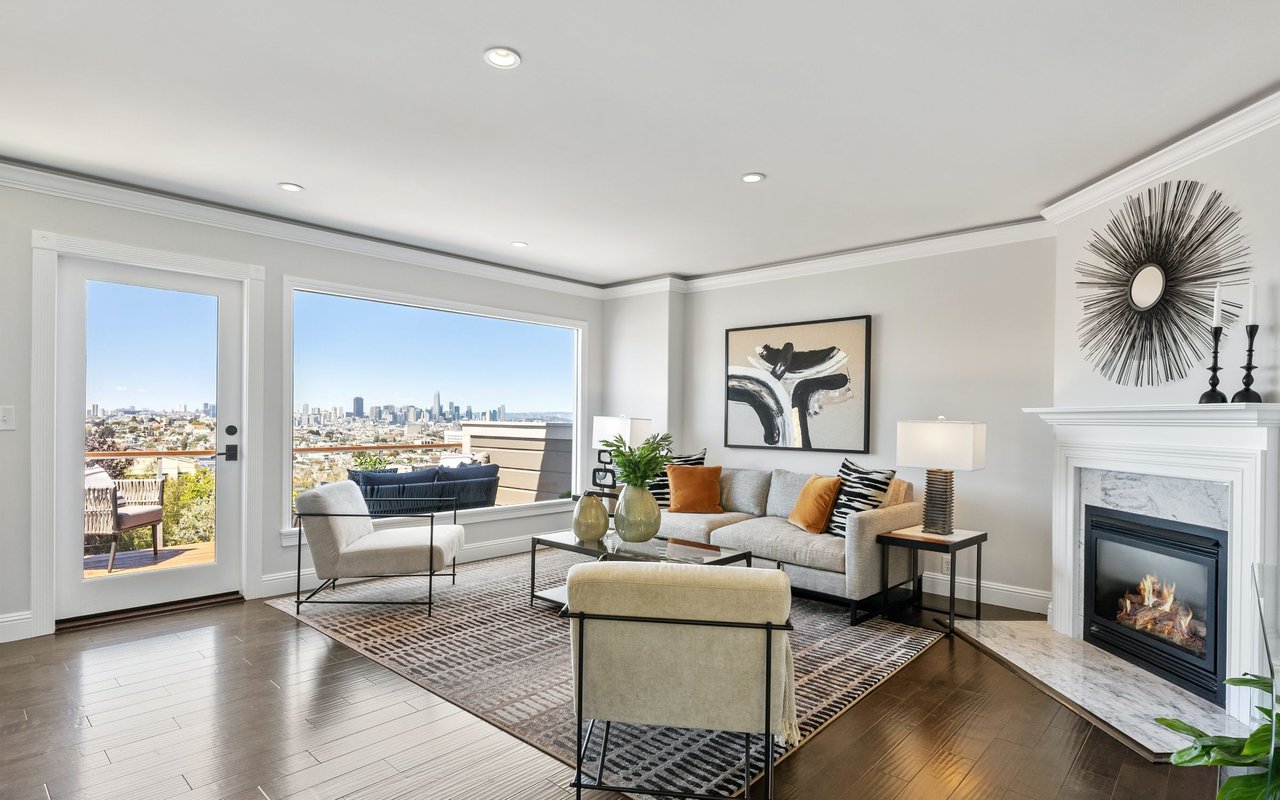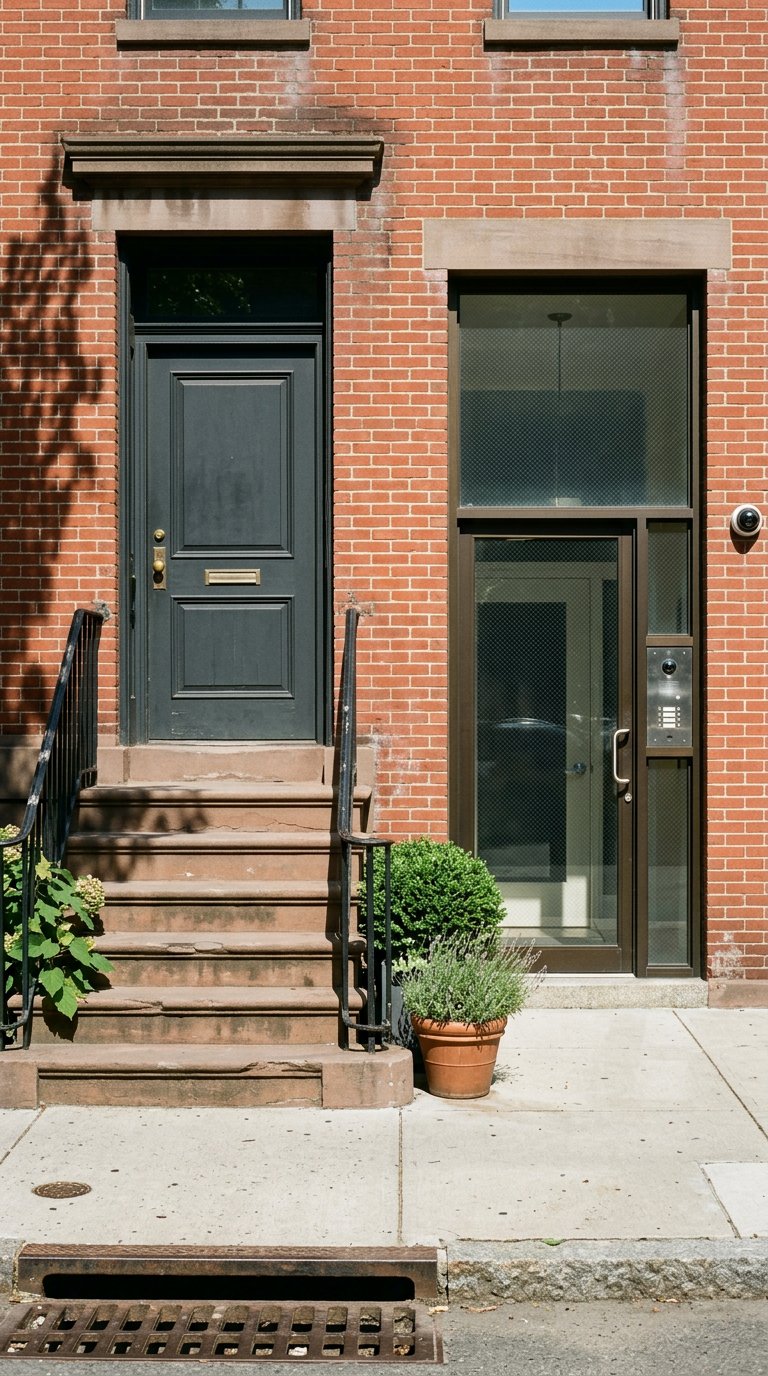
Trying to choose between a classic Carroll Gardens brownstone and a low‑maintenance condo? You’re not alone. Inventory is tight here, and prices reflect the neighborhood’s historic charm and small scale. By the end of this guide, you’ll know how townhouses and condos differ on costs, taxes, upkeep, financing, and resale so you can focus your search with confidence. Let’s dive in.
Carroll Gardens home types
Brownstone townhouses
On many Carroll Gardens blocks, you’ll find 19th‑century Italianate and Neo‑Grec rowhouses with high stoops, parlor floors, and the front gardens that give the neighborhood its name. Much of this stock sits within landmarked areas, which protect curb appeal and set rules for exterior changes. You can explore the designated district and its guidelines through the Carroll Gardens Historic District overview from the Historic Districts Council. For buyers, the draw is space, outdoor areas, and architectural detail. The tradeoff is hands‑on upkeep and higher potential capital costs over time.
Small multifamily buildings
You’ll also see two‑ to four‑family brownstones and walk‑ups. These can work for an owner who lives in one unit and rents the others. Income potential depends on whether units are market‑rate or rent‑stabilized. If you consider this route, plan to review rent rolls, leases, and rent registrations to understand current income and future flexibility.
Condos and boutique conversions
Condo options in Carroll Gardens range from renovated units in prewar rowhouses to newer boutique buildings. You typically own your unit and share responsibility for the building through monthly common charges. The appeal is simpler maintenance and professional building management. Common charges vary widely depending on age, services, and amenities, which is why reviewing each building’s financials matters.
Market context you should know
Neighborhood medians can be high because Carroll Gardens is small and townhouse‑heavy. Recent data puts the neighborhood’s median sale price around the multi‑million mark, with townhouses often trading at a premium and entry‑level condos generally forming the lower price points. Because inventory is scarce, you’ll want a clear plan for tradeoffs like outdoor space vs. lower carrying costs and original detail vs. turnkey finishes. Sold‑price trends are better for judging what buyers actually paid, while listing prices reflect what sellers are asking.
Ownership and taxes: key differences
Condo vs co‑op vs fee‑simple townhouse
- Condo: You receive a deed to your unit, finance with a standard mortgage, and pay monthly common charges for shared services and reserves. Most condos allow more flexible subletting, but always confirm the building rules.
- Co‑op: You buy shares in a corporation and receive a proprietary lease. Boards approve buyers and set policies on subletting and renovations. Co‑ops often expect stronger liquidity and tighter down‑payment standards. In Carroll Gardens, co‑ops exist but condos are more common among boutique conversions.
- Fee‑simple townhouse: You own the building and land, pay property taxes directly, and handle all maintenance. If the house is legally two or three units, lenders and insurers will treat it as a small multifamily. Always verify the legal configuration and certificate of occupancy before you offer.
NYC tax classes and why they matter
In New York City, 1–3 family homes are usually in Tax Class 1, while condos and co‑ops fall into Tax Class 2. Class 1 and Class 2 are assessed differently, which can lead to different effective tax burdens even at similar market values. Before you compare two properties, review the Department of Finance’s tax class definitions and rates, then pull the exact assessed value for the specific home you’re considering.
- Learn about NYC property tax classes and current rates on the Department of Finance site: NYC DOF Property Tax Rates.
Monthly costs to compare
Your all‑in monthly number usually includes:
- Mortgage principal and interest
- Property taxes
- Insurance
- Either common charges (condos) or owner maintenance/reserve (townhouses)
A few practical notes:
- Condos: In Carroll Gardens, common charges in boutique buildings can land in the low hundreds per month and rise well above $1,500 in higher‑service developments. That wide range reflects what the association covers, reserves, and amenities. Always read recent financials and minutes before you rely on today’s number.
- Townhouses: No HOA, but you carry the full cost of roof, façade, stoop, plumbing, heating/cooling, and foundation work. For older brownstones, many buyers set aside a regular reserve for big‑ticket items at multi‑year intervals.
- Small multifamily: Add landlord expenses and potential vacancy to the townhouse list. If any units are rent‑stabilized, current regulated rents and rules will shape your operating math.
Quick comparison: townhouse vs multifamily vs condo
| Feature | Fee‑simple Townhouse | Small Multifamily (2–4 units) | Condo |
|---|---|---|---|
| Ownership | You own the building and land | You own building and land with tenants | You own a unit within an association |
| Monthly costs | Mortgage + taxes + owner maintenance reserve | Mortgage + taxes + landlord costs; offset by rental income | Mortgage + taxes + common charges |
| Upkeep | High, you plan and pay for all capital work | High, plus tenant services | Lower day‑to‑day, shared through HOA |
| Financing ease | Standard for 1–3 family, confirm unit count | Varies, underwriter reviews rent roll | Standard condo mortgages |
| Flexibility | Strong, few restrictions | Strong, but subject to tenant laws | Building rules govern renting and renovations |
| Resale notes | Historic blocks and turnkey work command premiums | Value depends on rent roll quality and unit status | Liquidity benefits from location, reserves, and rules |
Due‑diligence checklist before you offer
Work through this list early. Surprises here can change price, timing, and sometimes your decision to proceed.
- Title and deed history: Pull the City’s property records to confirm legal unit count, liens, and easements. Start with the Department of Finance property lookup: NYC DOF Property Records.
- DOB records and violations: Review permits, open violations, and job history. Look for unpermitted work or illegal conversions. Search here: NYC DOB BIS.
- Certificate of Occupancy: Make sure the legal unit count and use match what you are buying. Find it in DOB BIS: NYC DOB BIS.
- Tenancy and rent status for multifamily: Obtain tenant list, leases, security deposits, and rent registrations. Verify any rent‑stabilized units through New York State Homes and Community Renewal: HCR/DHCR.
- Condo or co‑op financials: Request 2–3 years of audited financials, reserve studies, meeting minutes, and any special assessment history. Review sublet policy and any rental caps.
- Inspections for townhouses: Order a full structural and systems inspection. Pay close attention to foundation, cellar moisture, joists, roof, façade pointing, stoop, chimney, and mechanicals. Historic or landmarked exteriors require special attention.
- Taxes and abatements: Confirm tax class, current assessed value, and any abatements or exemptions that affect carrying costs. Reference the DOF tax guidance: NYC DOF Property Tax Rates.
- Landmark context: If the property sits on a landmarked block, expect rules for exterior changes. Learn more about the Carroll Gardens Historic District from HDC: HDC Carroll Gardens District.
Resale drivers in Carroll Gardens
Architectural character and landmark blocks
Houses with intact period details and well‑kept front gardens tend to attract strong buyer interest. Landmark protections help preserve that streetscape over time, which can support resale value while also shaping how you plan renovations.
Transit and commercial corridors
Proximity to the F and G lines and to Smith and Court Street retail improves day‑to‑day convenience. Walkability and access to services broaden the buyer pool, which often helps time‑to‑sell.
Building financials and tenant mix
For condos, healthy reserves, balanced budgets, and transparent minutes are positives. For small multifamily buildings, market‑rate rent rolls typically offer more near‑term upside, while rent‑stabilized units require longer horizons and careful underwriting.
Inventory and pricing reality
Carroll Gardens is a small neighborhood with limited turnover. Low supply can push prices up and shorten days on market, especially for renovated brownstones and well‑located condos. Use recent sold prices to set expectations and refine your search strategy by property type.
Which is the better fit for you?
- Choose a townhouse if you value privacy, outdoor space, and architectural character, and you are comfortable planning for maintenance and capital projects. If the house has multiple legal units, rental income can offset costs, but confirm unit status and rent rules.
- Choose a condo if you prefer lower daily upkeep, want predictable building management, and value flexibility that often exceeds co‑op rules. Compare common charges, reserves, and any assessment history across short‑listed buildings.
- If you are open to small multifamily, balance the appeal of offsetting income with the responsibilities of being a landlord. Rent‑stabilized units can anchor long‑term stability but reduce near‑term flexibility.
How to move forward with confidence
- Get pre‑approved and define your monthly comfort zone including taxes and either common charges or an owner maintenance reserve. 2) Short‑list Carroll Gardens blocks you like and property types you can support operationally. 3) Run the due‑diligence checklist early, before you attach emotionally to a listing. 4) Partner with a local advisor who can spot risk in DOB records, association financials, and rent rolls, and who can help you structure a competitive offer in a low‑inventory market.
Ready to compare a townhouse and a condo side by side, or to sanity‑check a building’s financials before you offer? Reach out to Peter Mancini for a calm, step‑by‑step plan tailored to your goals in Carroll Gardens.
FAQs
What should I budget monthly for a Carroll Gardens condo?
- Plan for mortgage, taxes, insurance, and common charges. In boutique buildings, common charges can be in the low hundreds per month and rise well above $1,500 in higher‑service properties, so review each building’s financials before committing.
How do townhouse taxes compare to condo taxes in NYC?
- Many 1–3 family townhouses fall under Tax Class 1, while most condos are Class 2, which are assessed differently; check the specific property on the NYC DOF Property Tax Rates page and confirm assessed value to compare apples to apples.
What legal checks matter most before buying a brownstone?
- Verify deed history and liens, review DOB BIS for violations and permits, confirm the Certificate of Occupancy matches actual use, and complete thorough structural and systems inspections before finalizing an offer.
How do rent‑stabilized units affect a small multifamily purchase?
- Stabilized units have regulated rents and rules that cap near‑term income growth and can limit renovations; review registrations and guidance with HCR/DHCR and weigh longer holding periods in your plan.
Can I change the exterior of a Carroll Gardens house in a landmark district?
- Landmark rules govern visible exterior work on designated blocks; review the Carroll Gardens Historic District overview from HDC and factor approval timelines into your renovation plan.