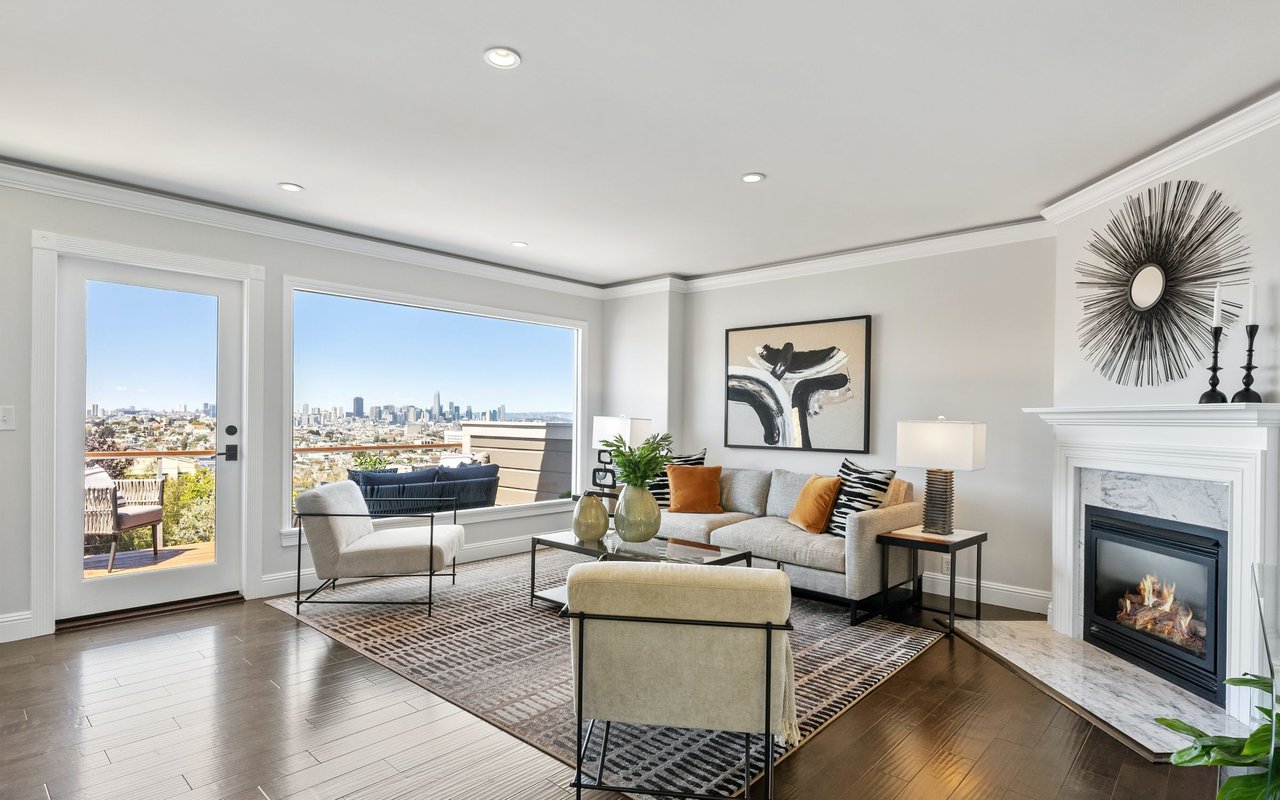
Brooklyn isn’t a single destination. It’s a collection of micro-markets, architectural styles, and daily rhythms that shift every few blocks.
When buyers tell me they want to move to Brooklyn, I don’t begin with price per square foot. I start with lifestyle.
Because in Brooklyn real estate, the environment shapes your experience long after closing day.
Major publications like The Wall Street Journal, The New York Times, and The Real Deal consistently highlight how lifestyle-driven decisions are influencing buyer behavior across New York City. Walkability, neighborhood identity, transit access, and community feel are no longer secondary considerations — they are central to value.
Two similar apartments can feel entirely different depending on the streets outside your door.
Let’s explore why.
The Power of Environment in Brooklyn Real Estate
Real estate is often reduced to numbers: price, taxes, square footage, maintenance, cap rate. But buyers don’t live on spreadsheets.
They live in neighborhoods.
The coffee shop you walk to.
The park you pass every morning.
The subway line that determines your commute.
The sound level at night.
The architecture on your block.
These daily experiences influence long-term satisfaction — and resale value.
In Brooklyn, neighborhood identity is strong. Each area carries its own tone, pace, and demographic mix. Understanding those differences helps buyers make confident, strategic decisions.
Park Slope: Classic Residential Brooklyn

Park Slope has long been associated with brownstone-lined blocks, proximity to Prospect Park, and a strong neighborhood feel.
The architecture is historic. The streets are residential. The pace feels measured.
Buyers drawn to Park Slope often value:
-
Access to Prospect Park
-
Prewar co-ops and townhomes
-
Community-oriented atmosphere
-
Strong long-term property stability
Prices here tend to reflect both demand and scarcity. Inventory can be competitive, but buyers often prioritize the environment over minor layout differences.
This is a neighborhood chosen intentionally.
Williamsburg: Energy and Waterfront Living
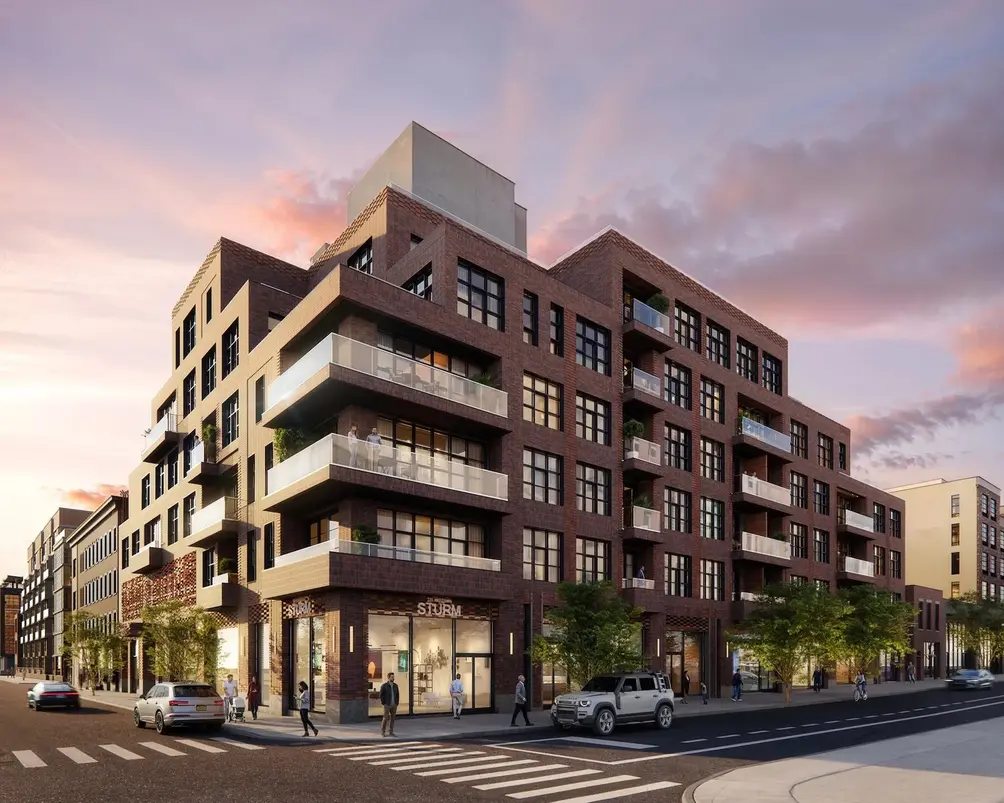
Williamsburg offers a very different lifestyle.
The waterfront skyline views, modern developments, and restaurant scene create a faster rhythm. Luxury condos, new construction buildings, and high-rise rentals define much of the housing stock near the East River.
Buyers attracted to Williamsburg often prioritize:
-
Waterfront access
-
Contemporary finishes
-
Vibrant dining and nightlife
-
Quick Manhattan commute
The Real Deal frequently reports on development trends here, reflecting strong investor and buyer interest. Williamsburg appeals to those who want energy woven into their daily life.
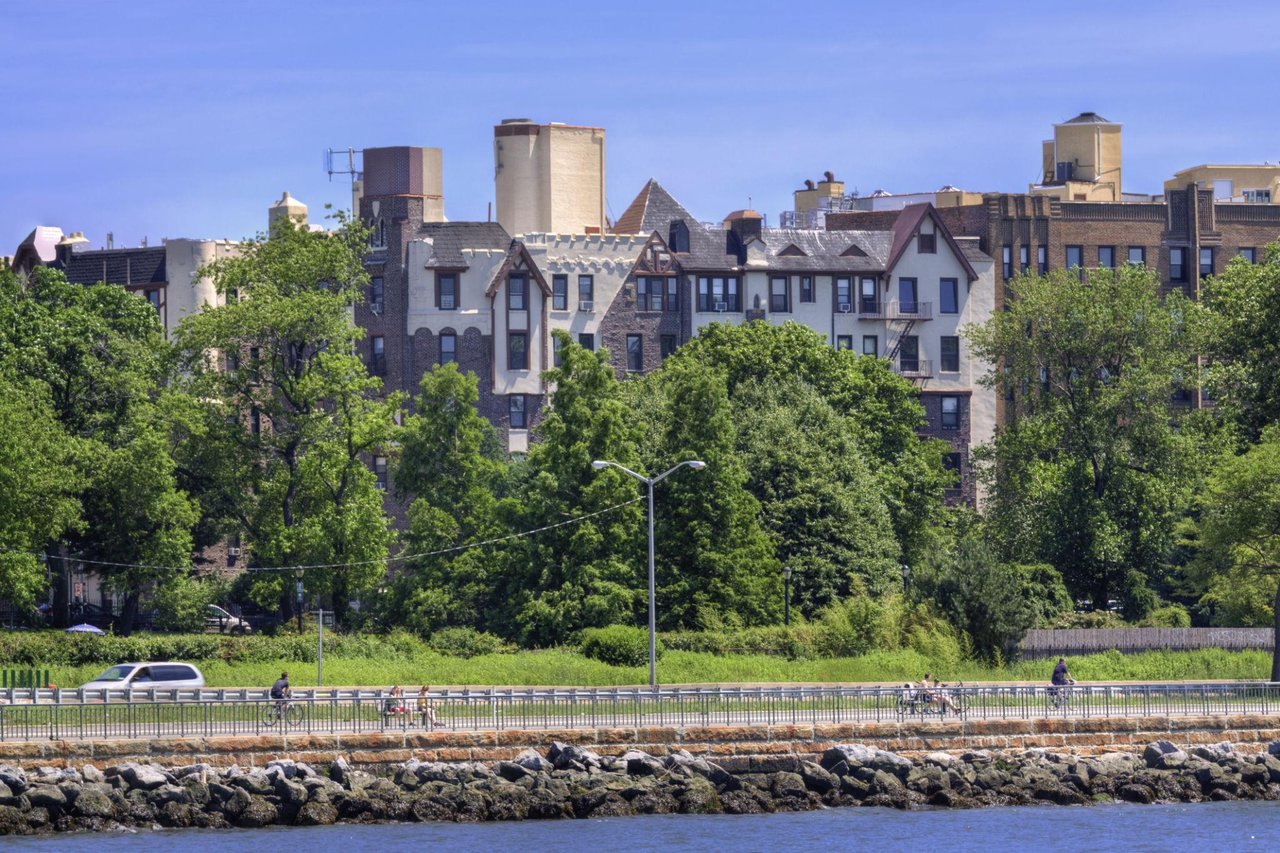
Bay Ridge: Space and Calm

Bay Ridge feels more relaxed.
With Shore Road views, lower building density, and a quieter atmosphere, Bay Ridge attracts buyers who value space and breathing room. There’s a strong residential character here, along with a mix of co-ops, brick houses, and small multifamily properties.
Common priorities include:
-
Larger layouts
-
More parking availability
-
Waterfront promenade access
-
A slower pace
For buyers who want Brooklyn without constant intensity, Bay Ridge often fits naturally.
Downtown Brooklyn: Connectivity and Convenience
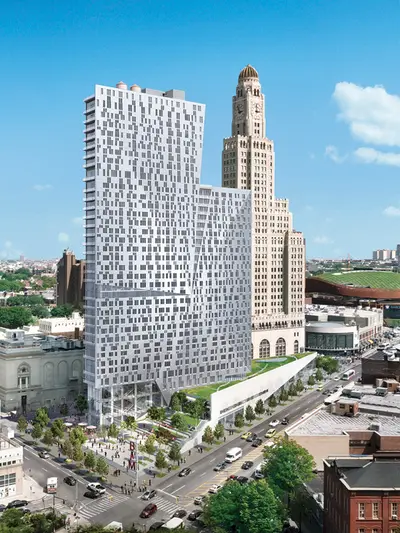
Downtown Brooklyn is defined by connectivity.
Multiple subway lines intersect here. High-rise condos dominate the skyline. Office buildings, retail, and transit hubs create constant movement.
Buyers drawn to Downtown Brooklyn often value:
-
Immediate subway access
-
Modern amenities buildings
-
Proximity to Manhattan
-
Investment potential
The New York Times has highlighted how transit-oriented neighborhoods often retain strong demand even during broader market shifts. Convenience drives resilience.
Why Lifestyle Impacts Long-Term Value
Here’s what many buyers discover years later:
The property matters.
But the environment matters more.
If your daily rhythm doesn’t align with your neighborhood, even a perfectly renovated apartment can feel wrong.
Conversely, buyers often forgive layout compromises if the location feels right.
From an investment perspective, neighborhood identity supports value stability. Areas with strong character, reliable amenities, and consistent demand tend to weather market cycles more predictably.
That’s why strategy begins with environment.
How I Guide Buyers Through Brooklyn Neighborhoods
Before reviewing listings, I ask clients questions like:
-
How do you spend your weekends?
-
Is proximity to green space important?
-
How critical is commute time?
-
Do you prefer quiet evenings or activity outside your door?
-
Is long-term appreciation a priority?
As a former music educator and trained tenor, I’ve always believed performance depends on setting. Acoustics change everything. The same voice sounds different in a small recital hall than in a large auditorium.
Real estate works the same way.
Two similar apartments perform differently depending on their environment.
The goal isn’t just to “buy property.”
The goal is to place yourself in the right setting.
Choosing the Right Environment First
When buyers anchor their search around lifestyle rather than price alone, several things happen:
-
Decision-making becomes clearer.
-
Negotiation strategy strengthens.
-
Long-term satisfaction increases.
Brooklyn rewards specificity. The more clearly you define your ideal daily life, the easier it becomes to identify the right neighborhood.
Price follows clarity.
Final Thoughts
Brooklyn isn’t one place. It’s many lifestyles layered together across a single borough.
Whether you’re drawn to the brownstones of Park Slope, the waterfront energy of Williamsburg, the residential calm of Bay Ridge, or the connectivity of Downtown Brooklyn — your environment shapes your experience long after closing.
The smartest decision isn’t just choosing the right property.
It’s choosing the right lifestyle.
If you’re considering buying or selling in Brooklyn real estate, I’d be honored to guide you strategically.
Peter Mancini
Licensed Associate Broker
Keller Williams Empire
Delivering A Signature Experience
Visit: https://petermancininyc.com