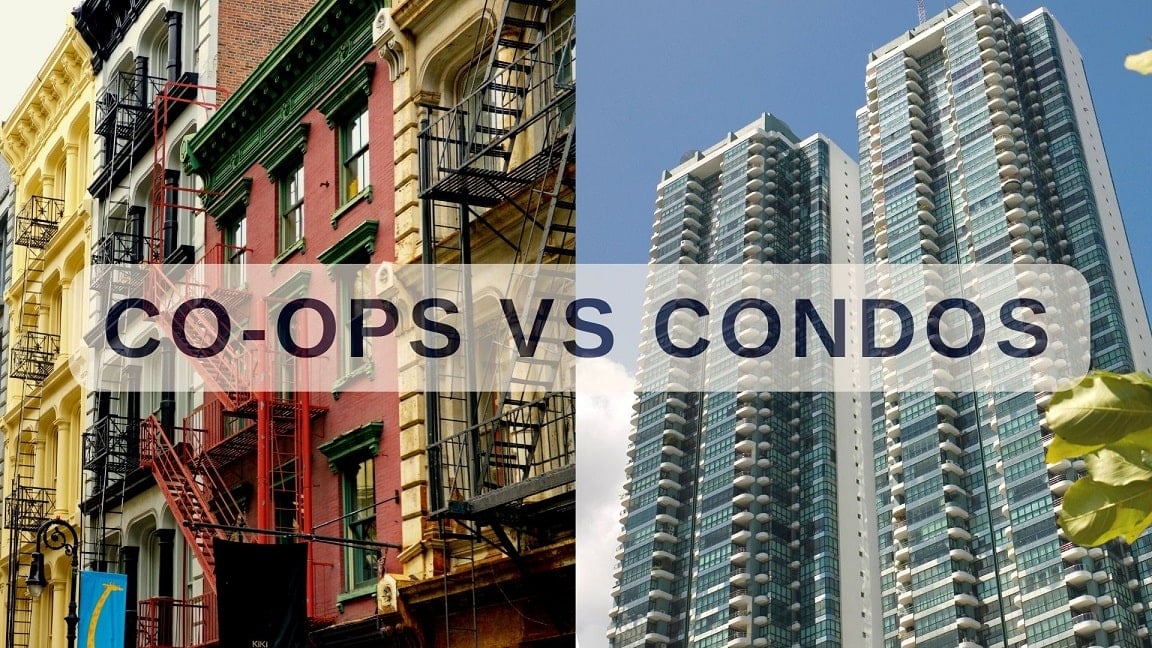
When buyers begin searching in Bay Ridge, one of the most common questions is simple on the surface—but strategic underneath:
Should I buy a co-op or a condo?
Both can be excellent paths to ownership. Both can build wealth. But they are structured differently, financed differently, and often behave differently during changing market cycles.
As a Brooklyn native, I’ve watched neighborhoods like Bay Ridge evolve through multiple housing markets. One lesson remains consistent: the smartest purchase is not always the cheapest one—it’s the one aligned with your long-term plan.
If you’re deciding between a co-op and condo in Bay Ridge, here is what every buyer should understand.
Why Bay Ridge Continues to Attract Buyers
Bay Ridge remains one of Brooklyn’s most appealing neighborhoods because it offers:
- Tree-lined streets and residential charm
- Waterfront parks and views
- Strong transportation access to Manhattan and Downtown Brooklyn
- Larger apartments compared to many trendier neighborhoods
- A mix of co-ops, condos, and townhouses
- Relative value compared to brownstone Brooklyn
For buyers seeking space, community, and long-term ownership, Bay Ridge stays on the radar year after year.
Explore more Brooklyn opportunities at petermancininyc.com.
Understanding the Structural Difference
Before choosing strategy, understand the structure.
What Is a Co-op?
When you buy a co-op, you are purchasing shares in a corporation that owns the building. Those shares grant you a proprietary lease to occupy the apartment.
This means:
- Board approval is required
- Financial review can be extensive
- Subletting is often limited
- Rules can be stricter
- Purchase prices are often lower than comparable condos
According to guides from StreetEasy and Investopedia, co-ops remain a common and often affordable ownership model in New York City.
What Is a Condo?
When you buy a condo, you own real property directly. You receive a deed to the unit, similar to owning a house.
This usually means:
- Easier resale process
- Greater rental flexibility
- Broader buyer pool
- Simpler board package process (if any)
- Higher purchase prices in many cases
That flexibility can become valuable over time.
Which Appreciates Faster?
There is no universal rule—but there are common patterns.
Co-ops Often Deliver Stability
Because co-ops typically have stricter approval standards and more controlled ownership environments, they can attract long-term residents rather than speculative buyers.
That may result in:
- Less volatility
- More predictable ownership culture
- Strong demand from end users
- Slower but steadier appreciation in some cycles
Condos Often Capture Upside Faster
Condos usually appeal to:
- Investors
- International buyers
- Buyers needing rental flexibility
- Buyers who want easier future resale
That wider demand pool can create stronger appreciation during hot markets. However, condos may also feel more sensitive when markets cool.
As noted in market comparisons from Brownstoner, Brooklyn buyers often weigh flexibility heavily when choosing between the two.
Equity Protection Is More Than Appreciation
Many buyers focus only on future price growth. But long-term equity protection involves two separate questions:
1. Will the Value Rise?
That’s appreciation.
2. Can You Sell Efficiently When Needed?
That’s liquidity.
Liquidity matters when:
- Job opportunities change
- Family needs shift
- Interest rates move
- You want to upgrade
- You need to relocate quickly
A condo often offers stronger liquidity because the resale pool can be broader. A co-op may require more qualified buyers willing to navigate board approval.
That doesn’t make one better than the other—it simply changes the exit strategy.
Bay Ridge Specific Considerations
Bay Ridge has long attracted practical buyers focused on value and space. That makes co-ops especially popular in the neighborhood.
You’ll often find:
- Spacious prewar co-ops
- Elevator buildings with amenities
- Lower pricing versus condos nearby
- Strong owner-occupant communities
Condos in Bay Ridge can be more limited in supply, which sometimes supports value when quality inventory is scarce.
So in Bay Ridge specifically:
- Co-ops may offer stronger entry value
- Condos may offer stronger flexibility premium
That balance matters.
Which Buyer Fits a Co-op Best?
A co-op may be ideal if you:
- Plan to stay long term
- Want lower entry pricing
- Prefer a stable resident community
- Have strong documented finances
- Do not need rental flexibility
For disciplined long-term ownership, co-ops can be powerful wealth builders.
Which Buyer Fits a Condo Best?
A condo may be ideal if you:
- Want easier future resale
- May rent the unit later
- Need more ownership flexibility
- Prefer simpler governance structure
- View mobility as valuable
For buyers who prioritize optionality, condos often shine.
My Advice as a Brooklyn Broker
As a former teacher, I often tell clients:
Understand the structure before choosing the strategy.
Too many buyers compare only monthly cost or square footage. Those matter—but so do financing rules, resale options, rental policy, and marketability.
As a tenor, I learned every voice type has a different role. The same is true here.
A co-op and condo are not competing instruments. They are different tools built for different performances.
Questions to Ask Before Choosing
Before buying in Bay Ridge, ask yourself:
- How long do I expect to stay?
- Might I need to rent this unit later?
- How important is resale speed?
- Am I optimizing monthly cost or future flexibility?
- Do I want stability—or optionality?
Your answers usually point toward the right structure.
Final Thoughts
In Bay Ridge real estate, long-term equity is rarely determined by one headline number.
It comes from buying the right asset, in the right neighborhood, with the right timeline.
Sometimes that is a co-op.
Sometimes that is a condo.
The smartest move is choosing the ownership model that supports your next chapter—not just today’s price tag.
For guidance on buying in Bay Ridge or anywhere in Brooklyn, visit petermancininyc.com.
Watch the companion video here: https://youtube.com/shorts/fHIyDEB2D-8?si=Lb8aUmSl227R5e_3
Additional reading:
https://streeteasy.com/blog/co-ops-vs-condos-nyc-home-buyers-guide/
https://www.brownstoner.com/real-estate-market/co-op-versus-condo-comparison-nyc-brooklyn/
https://www.investopedia.com/articles/personal-finance/090115/living-new-york-city-coops-vs-condos.asp