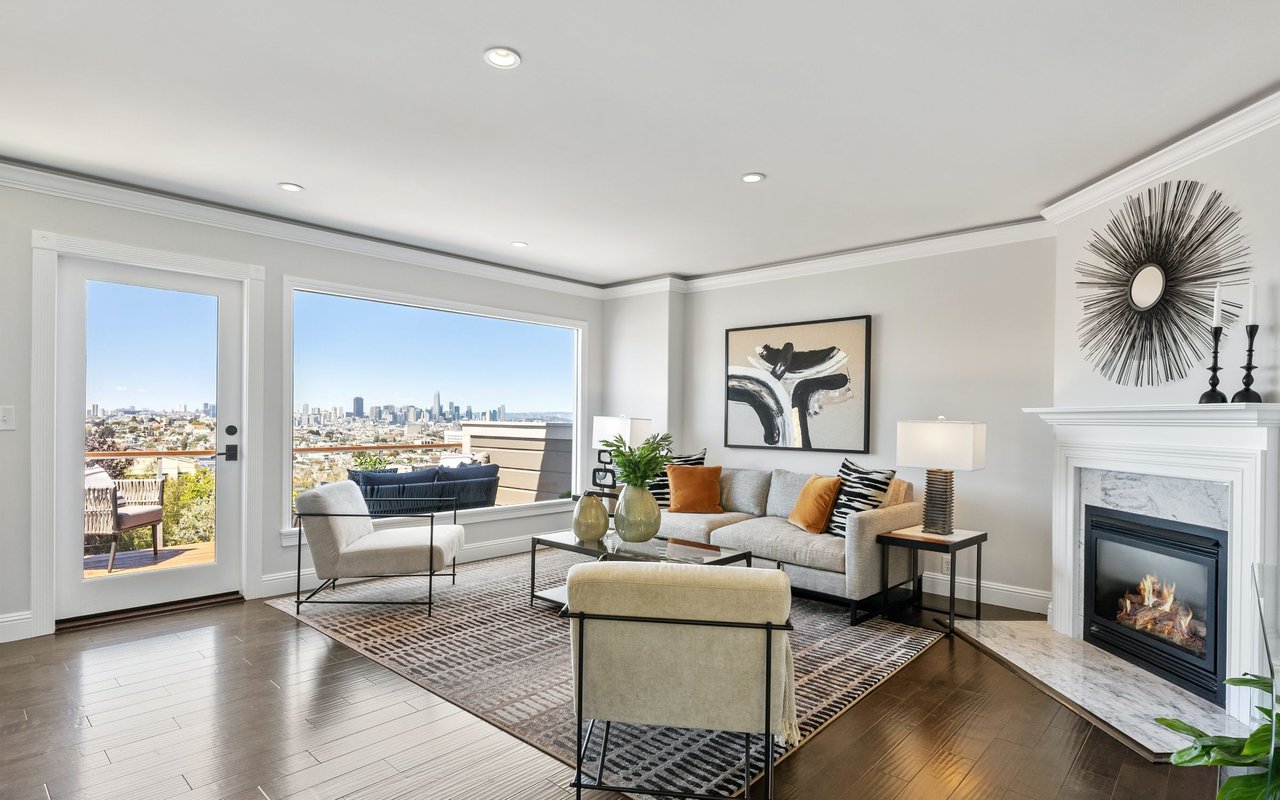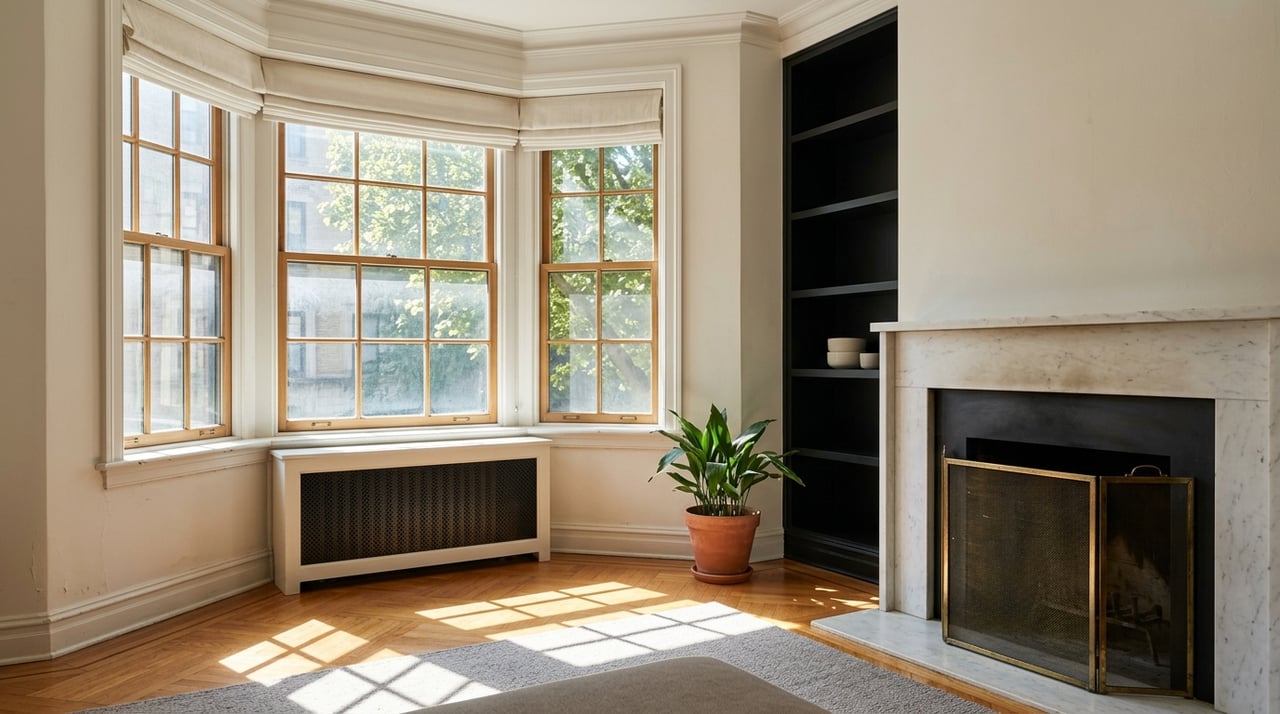
Wondering whether buyers will pay more for your Brooklyn Heights view or for a few hundred extra interior square feet? In this neighborhood, that is not a small pricing detail. It can shape how your home is positioned, which comps matter, and how confidently buyers respond. If you are preparing to sell, understanding how view, space, outdoor living, and property type work together can help you price more accurately from day one. Let’s dive in.
Why Brooklyn Heights Pricing Needs Precision
Brooklyn Heights is a high-price submarket, but the headline number depends on what is being measured and over what time period. In April 2026, PropertyShark reported a neighborhood median sale price of $1.4 million and a median price per square foot of $1,418, while Redfin reported a median sale price of $1.6 million over the prior three months ending in April 2026 and a median sale price per square foot of $1.92K.
That spread matters because it shows why sellers should be careful with broad neighborhood averages. A co-op, condo, townhouse, or landmarked home with a special exposure can sit in a very different pricing lane, even when it shares the same ZIP code and neighborhood name.
Realtor.com’s March 2026 snapshot adds more context. It showed 101 homes for sale, a median asking price of $1.95 million, 39 median days on market, and a 100% sale-to-list ratio, describing the market as balanced. For you as a seller, that points to a market where pricing still needs to be disciplined rather than aspirational.
Why Views Matter More Here
In many neighborhoods, a view is a bonus. In Brooklyn Heights, it is part of the neighborhood’s value story. The city’s zoning resolution includes the SV-1 Brooklyn Heights Scenic View District, which protects views connected to the Brooklyn Heights Promenade.
Those protected vistas include lower Manhattan, the Brooklyn Bridge archway, the South Street Seaport, the Whitehall Ferry Terminal, the Statue of Liberty, and Governors Island. That helps explain why buyers often react strongly to open skyline exposure here. A meaningful view is not just attractive. It is also scarce.
The historic-district designation report reinforces that point. Brooklyn Heights is described as an elevated plateau with low-rise, mostly residential blocks and a coherent nineteenth-century streetscape. In practical terms, small differences in floor height, direction, and obstructions can create very different buyer experiences, even when two homes have similar square footage.
Price the View Separately
If your home has a strong outlook, that feature should not get buried inside a general price-per-square-foot estimate. Valuation research cited in the report found that view quality is systematically reflected in prices and that pricing becomes more transparent when view is treated as its own factor.
That same research warns that view is often tied to floor level and orientation. If you lump everything together, you risk giving too much credit to size or too much credit to height, while missing what buyers are actually paying for. In Brooklyn Heights, an unobstructed skyline view can justify a different pricing band than a similar home with a partial or blocked outlook.
This does not mean there is one fixed premium you can apply. It means your pricing strategy should compare homes with similar exposure, similar openness, and similar visual impact. That is especially important in a neighborhood where view scarcity is part of the appeal.
Why More Space Does Not Always Win
It is easy to assume that the bigger home should command the higher price. In Brooklyn Heights, that is not always true. Buyers often weigh the full package, not just the interior dimensions.
A slightly smaller home may compete very well if it offers better natural light, more privacy, or a stronger skyline outlook. That is one reason two homes with close square footage can perform very differently once they hit the market.
The local market supports this narrower approach to comps. PropertyShark’s April 2026 data showed a $2 million median condo sale price versus a $535,000 median co-op sale price in Brooklyn Heights. That is a wide gap inside one neighborhood, and it shows why pricing conversations need to stay tightly matched to ownership type, features, and buyer expectations.
Outdoor Space Is Its Own Amenity
Private outdoor space should not be treated as a simple add-on to interior size. Research referenced in the report describes balconies, terraces, and similar spaces as offering private outdoor use, access to nature, restorative views, and lifestyle flexibility.
A market study cited in that research found buyers were willing to pay a 4% premium for units with balconies, with stronger premiums when the balcony had a sea view. That figure should not be applied directly to Brooklyn Heights, but the broader lesson is useful. Well-designed outdoor space can create real value when it is private, usable, and visually appealing.
For your pricing strategy, the key question is not just whether your home has outdoor space. It is whether that space actually extends daily living. A narrow balcony with little privacy may be worth something, but a true terrace, garden, or outdoor area that supports dining, lounging, or entertaining may shift your home into a stronger competitive position.
How to Compare View and Outdoor Space
When sellers try to balance view versus space, the best approach is to break the comparison into parts:
- Interior square footage: How much usable living area does the home provide?
- View quality: Is the outlook open, partial, blocked, skyline-facing, or interior-facing?
- Outdoor utility: Is the outdoor space private, functional, and easy to use?
- Light and orientation: Does the home feel bright and open throughout the day?
- Privacy: Are you overlooking other units, or do you have breathing room?
- Property type: Is it a condo, co-op, townhouse, or another ownership form?
That kind of breakdown helps you avoid a common mistake. You do not want to price a view home as if it were only a larger box, and you do not want to overprice a larger home if its exposure is much weaker.
Townhouses Need Even Tighter Comp Selection
If you are pricing a townhouse, precision matters even more. Redfin’s Brooklyn Heights townhouse page showed just 8 homes for sale and 9 homes sold in the past month, with a median listing price of $3.5 million.
In a segment with that little inventory, one or two sales can heavily influence perception. That is why same-block or near-block comparables can matter more than a broader neighborhood average. For townhouse sellers, architectural character, light, outdoor space, and landmark context can all affect value in a very concentrated way.
Landmark Status Can Support Value, With Limits
Brooklyn Heights Historic District was designated on November 23, 1965. The Landmarks Preservation Commission describes the district as having special historical and aesthetic value and notes that landmark law is intended to stabilize and improve property values.
At the same time, landmark status does not automatically raise price in every case. Research summarized in the report suggests designation often supports property values outside Manhattan, but buyers may still account for approval timelines, renovation friction, and limits on major exterior changes or expansion.
If your home is in the historic district, that character may strengthen demand. Still, buyers will usually weigh the charm and consistency of the streetscape against the realities of future work. That balance should be reflected in pricing.
A Smarter Pricing Framework for Sellers
In Brooklyn Heights, the strongest pricing strategies usually start narrow and build outward. Instead of asking, “What are homes selling for in the neighborhood?” ask, “What are homes like mine selling for when they share my type, exposure, and amenity mix?”
A practical framework may look like this:
- Start with your ownership type, such as condo, co-op, or townhouse.
- Narrow to homes with similar size and layout.
- Separate strong views from partial or blocked exposures.
- Evaluate outdoor space based on usability, not just presence.
- Factor in landmark character and renovation flexibility.
- Review the most recent nearby sales, especially for townhouses.
This is where local, neighborhood-level judgment matters. In Brooklyn Heights, buyers are often choosing between competing forms of value, such as more interior room, a better skyline outlook, or a terrace that changes how the home lives.
The Real Goal: Price the Bundle Buyers Want
The most accurate Brooklyn Heights pricing is rarely about one feature alone. It is about the bundle of qualities a buyer experiences, including space, light, outlook, privacy, outdoor living, and property type.
That is why a smaller home can sometimes outrank a larger one, and why a spectacular view should not be absorbed into a generic square-foot figure. If you are selling here, your pricing should reflect what is truly scarce and meaningful about your home.
When you want a pricing strategy built around the way Brooklyn buyers actually compare homes, connect with The Signature Team for a tailored home valuation and clear guidance on how to position your property. Peter Mancini, a top Brooklyn real estate agent with deep knowledge of Brooklyn Heights, can help you price and position your home with precision.
FAQs
How should you price a Brooklyn Heights home with a skyline view?
- You should treat the view as a separate pricing factor rather than folding it entirely into price per square foot, because Brooklyn Heights has protected scenic views and research supports view as its own value attribute.
Does outdoor space add value to a Brooklyn Heights apartment?
- Yes, outdoor space is generally value-positive when it is private and usable, but the impact depends on how well it functions as everyday living space.
Can a smaller Brooklyn Heights home be worth more than a larger one?
- Yes, a smaller home may compete at a higher level if it offers a rarer combination of open views, better light, more privacy, or functional outdoor space.
Do Brooklyn Heights townhouses need different comps?
- Yes, townhouse inventory is limited enough that same-block or near-block sales can matter more than broad neighborhood averages.
Does landmark status increase Brooklyn Heights home value?
- It can support value because buyers often respond to historic character and stable streetscapes, but pricing should also reflect renovation approvals and limits on exterior changes.