Wondering what everyday life feels like when you live near Prospect Park in Park Slope? It is one thing to visit for an afternoon and another to picture your real routine there, from coffee and errands to green space and evening plans. If you are trying to understand the lifestyle behind the address, this guide will walk you through how a day can unfold and why this part of Brooklyn continues to stand out. Let’s dive in.
Park Slope Starts With the Streets
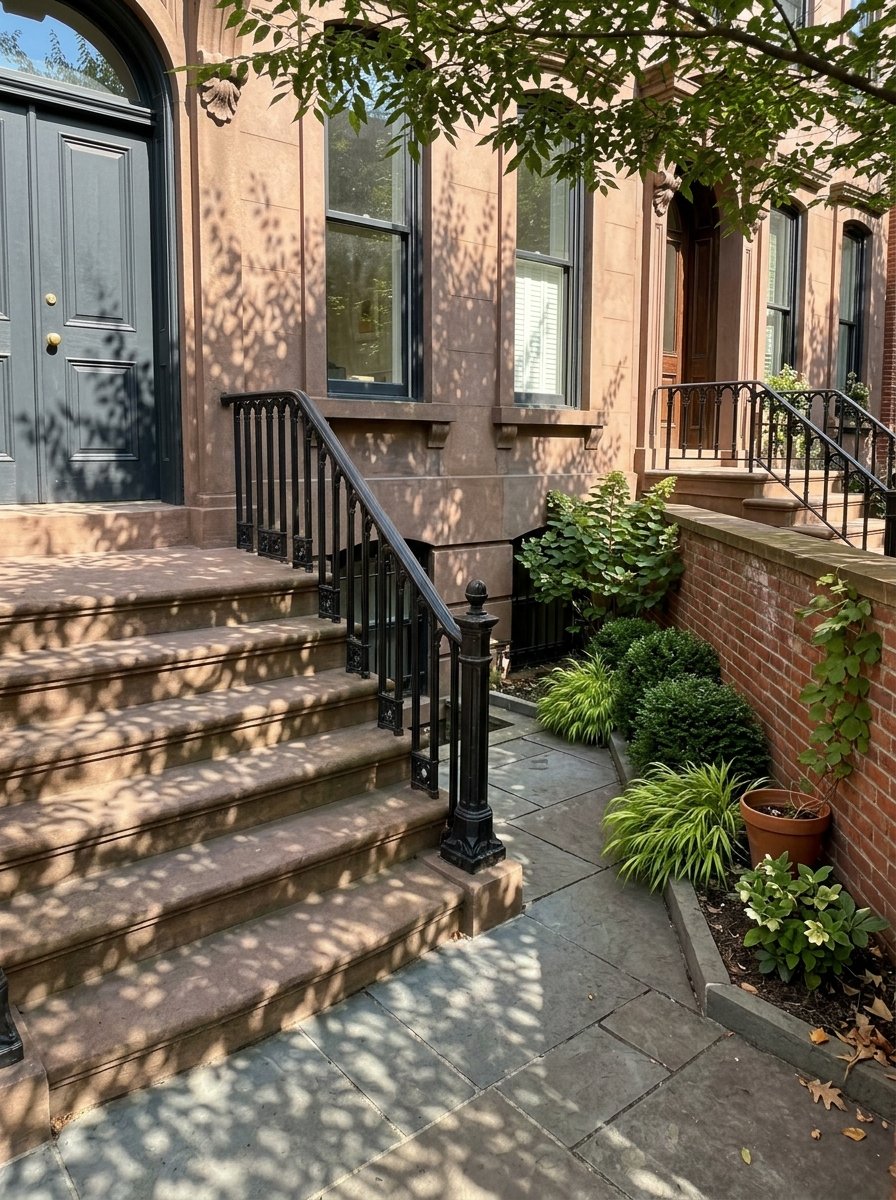
Living near Prospect Park means your day often begins on a block that feels calm, residential, and distinctly Brooklyn. According to the NYC Landmarks Preservation Commission, Park Slope is defined by tree-lined streets and a low-rise streetscape made up mainly of row houses and flats buildings, with a strong architectural character that has been carefully preserved.
That setting shapes the mood of the neighborhood. You get a cohesive streetscape with historic detail, but not a one-note look. The area includes Italianate, neo-Grec, Queen Anne, Romanesque Revival, Beaux-Arts, Colonial Revival, and other architectural styles, which helps explain why a simple walk around the neighborhood can still feel visually interesting.
Morning Near Prospect Park
One of the biggest perks of living nearby is how naturally the park can become part of your routine. On Saturdays, many residents start the day at the Grand Army Plaza Greenmarket, which runs year-round from 8:00 a.m. to 4:00 p.m. at Prospect Park West and Flatbush Avenue.
That market has been connecting local farms and Park Slope residents since 1989, giving the area a weekly rhythm that feels both practical and community-focused. If you are closer to the southern side of the park, Prospect Park also hosts market activity at Bartel-Pritchard Square, including a year-round Wednesday market and a seasonal Sunday market, as noted by the Prospect Park Alliance.
Outside market days, mornings can be simple in the best way. Blocks closer to Prospect Park West tend to feel more park-oriented, while nearby avenues make coffee runs and errands easy to fold into the start of your day.
Midday Belongs to the Park
By midday, Prospect Park often becomes the center of the neighborhood experience. The Prospect Park Alliance describes the park as a 585-acre landscape of meadows, waterways, and woodlands, with Brooklyn’s only lake and last remaining forest.
That scale matters when you think about daily life. This is not just a patch of green you pass on your way somewhere else. It is a place where you can take a long walk, spend time outdoors without leaving the neighborhood, or build an entire weekend afternoon around nature, recreation, and public programming.
The park also offers a wide range of amenities, including birdwatching areas, nature programs, the LeFrak Center at Lakeside, the Tennis Center, and seven playgrounds. The Ravine alone includes nearly 150 acres of woodlands and scenic waterways, which gives the park a very different feel from a more formal city square or smaller neighborhood green.
Sundays Feel Like an Event
From April through October, Sundays add another layer to life near the park. Smorgasburg Prospect Park operates on Breeze Hill near the Lincoln Road entrance and features food from local purveyors.
That kind of programming changes how the neighborhood feels on weekends. Prospect Park becomes more than a scenic backdrop. It functions as an active destination where food, open space, and community activity all overlap in one place.
The park also hosts public programs and community events throughout the year, along with volunteer opportunities that range from tree care and invasive-plant removal to family and youth volunteering, according to the Prospect Park Alliance volunteer page. For many residents, that adds a civic layer to the lifestyle, not just a recreational one.
Fifth Avenue and Seventh Avenue Keep Life Walkable
A big reason Park Slope feels so livable is that park access and daily convenience exist side by side. The neighborhood’s commercial corridors give structure to everyday routines, whether you are grabbing lunch, picking up household items, or meeting friends for dinner.
The Fifth Avenue BID describes a 30-block stretch with more than 500 independently owned businesses. The Seventh Avenue Chamber directory lists over 100 merchants across categories like cafes, bakeries, food and drinks, clothing, home goods, books, pet care, and more.
That mix helps explain the difference in feel from block to block. Side streets near the park can feel quieter and more residential, while Fifth and Seventh Avenues tend to feel more active and errand-friendly. In practice, that means you can move through very different rhythms in a single day without going far.
The Housing Feel Is Low-Rise and Historic
If you are picturing what it means to live near Prospect Park, the housing stock is a big part of the story. Park Slope is often described in shorthand as a brownstone neighborhood, but the more complete picture is a low-rise residential area of row houses, flats buildings, and a smaller number of apartment houses.
The Landmarks Preservation Commission notes that many of the neighborhood’s buildings were constructed between the mid-19th century and early 20th century. It also explains that Park Slope’s multiple dwellings in the 19th century were typically three- and four-story buildings without elevators, while later apartment houses were added in the 1930s as transportation improved.
That history helps explain why the neighborhood feels consistent without feeling identical. There is a strong visual rhythm to the blocks, but also meaningful variation from one building type or architectural style to the next. For buyers, that often translates into a wider range of living formats than the phrase "brownstone Brooklyn" might suggest at first glance.
Transit Helps Tie It Together
Lifestyle is not just about what is on your block. It is also about how easily you can get where you need to go. Park Slope near Prospect Park benefits from strong transit access, which helps connect the neighborhood to the rest of Brooklyn and Manhattan.
According to MTA subway line maps, nearby service includes the 2 and 3 at Grand Army Plaza, the B and Q at 7 Av, the F and G at 7 Av, 9th Street, and 15 St-Prospect Park, and the G and R at 4 Av-9 St. For many buyers, that combination of park access, walkable retail, and multiple train options is a meaningful part of the neighborhood’s appeal.
What a Typical Day Can Feel Like
When you put it all together, a day near Prospect Park often moves through a few distinct modes. You might start on a quiet residential block, head toward the park or a local market, spend time outdoors in a setting that feels much larger than a typical city park, and then wrap up with errands, dinner, or neighborhood browsing along one of the avenues.
That blend is what makes this part of Park Slope especially compelling. You are not choosing between green space and city convenience. You are living in a place where landmarked housing, a major public park, and active local business corridors all support daily life.
For buyers thinking about Park Slope, this is where neighborhood knowledge matters. The experience can shift depending on whether you want a more park-facing feel, easier access to shopping and dining, or strong transit convenience. If you want help understanding which part of Park Slope best fits your routine and goals, The Signature Team can help you make sense of the options with clear, local guidance.
FAQs
What is daily life like near Prospect Park in Park Slope?
- Daily life near Prospect Park often combines quiet residential blocks, easy park access, walkable errands along Fifth and Seventh Avenues, and strong subway connections.
What can you do in Prospect Park during a regular week?
- According to the Prospect Park Alliance, you can enjoy walking paths, meadows, waterways, woodlands, birdwatching, nature programs, playgrounds, the LeFrak Center at Lakeside, and the Tennis Center.
What markets are near Prospect Park in Park Slope?
- The Grand Army Plaza Greenmarket runs year-round on Saturdays, and Prospect Park also hosts market activity at Bartel-Pritchard Square with a year-round Wednesday market and a seasonal Sunday market.
What kind of homes are common near Prospect Park in Park Slope?
- Homes near Prospect Park are commonly found in low-rise row houses, flats buildings, and some apartment houses, many within a historic-district setting.
How walkable is Park Slope near Prospect Park?
- The area is supported by active commercial corridors on Fifth Avenue and Seventh Avenue, where independently owned businesses help make dining, shopping, and daily errands easy to do on foot.
What subway lines serve Park Slope near Prospect Park?
- Nearby service includes the 2, 3, B, Q, F, G, and R trains, with stations at Grand Army Plaza, 7 Av, 9th Street, 15 St-Prospect Park, and 4 Av-9 St.