7 Brooklyn Brownstone Features Buyers Will Pay a Premium For
Brooklyn brownstones are some of the most distinctive homes in New York City. Their historic facades, detailed interiors, and classic stoops give entire neighborhoods their character.
But when it comes to value, not all features are created equal.
In Brooklyn’s townhouse market, certain architectural details consistently attract buyer attention and often lead to higher offers.
Many of these features date back to the 19th century, when brownstones were built with craftsmanship that is difficult — and expensive — to recreate today.
Understanding which details buyers value most can help homeowners make smarter renovation decisions and protect the long-term value of their property.
1. Pocket Doors
Pocket doors are one of the most recognizable features of classic Brooklyn brownstones.
These sliding doors were designed to separate parlor rooms while allowing the space to remain flexible and elegant.
Today, they provide both architectural charm and practical functionality.
Buyers often see preserved pocket doors as a sign that a home has retained its original craftsmanship.
Unfortunately, many renovations remove these doors to create open floor plans, which can eliminate an important historical element.
2. Original Woodwork and Millwork
Detailed wood trim, door casings, and staircases are hallmarks of historic brownstones.
Many homes feature hand-carved banisters, intricate paneling, and decorative millwork that reflect the artistry of 19th-century builders.
According to reporting from The Wall Street Journal, buyers in historic housing markets often prioritize original craftsmanship because it adds authenticity that modern materials rarely replicate.
When this woodwork is preserved and restored, it often becomes one of the most memorable elements of the home.
3. Plaster Crown Moldings
Ornate plaster moldings were once a standard feature in many Brooklyn townhouses.
These decorative ceiling details were crafted by skilled artisans and can add depth and elegance to parlor floors.
While modern renovations sometimes remove these moldings for a simpler aesthetic, many buyers appreciate their historical significance.
In many cases, restoring plaster moldings can enhance both the visual impact and the perceived value of a brownstone interior.
4. Decorative Fireplaces and Mantels
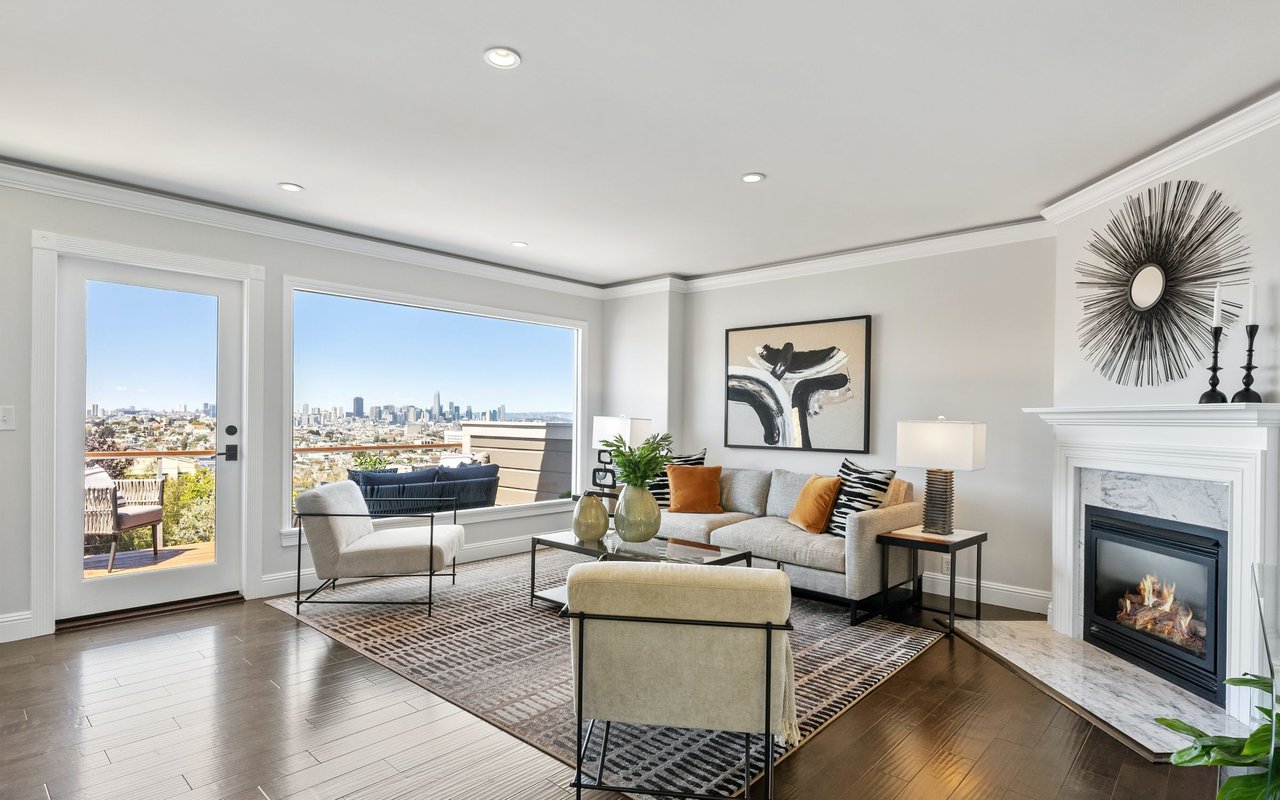
Even when they are no longer functional, decorative fireplaces remain a focal point in many brownstone living rooms.
Original marble or carved wood mantels help anchor the design of a room and reinforce the historic character of the property.
Buyers often view these mantels as architectural centerpieces that connect the home to its past.
According to coverage from The New York Times, historic townhouse buyers frequently prioritize homes with preserved fireplaces and mantels because they add authenticity and charm.
5. Parlor Floor Layouts
The classic brownstone parlor floor layout is one of the most recognizable design elements of Brooklyn townhouses.
Typically elevated above street level, this floor was historically used for entertaining and formal gatherings.
High ceilings, tall windows, and layered living spaces create a dramatic sense of scale.
While some renovations attempt to completely open these spaces, many buyers appreciate the traditional layout that defines brownstone architecture.
6. Original Staircases
A brownstone staircase is often the centerpiece of the home’s interior.
Hand-carved banisters, curved railings, and solid wood construction reflect a level of craftsmanship rarely seen in modern homes.
Because staircases connect every level of the property, they play a central role in the home’s design.
When preserved, these staircases can become one of the most striking visual features of the home.
7. Historic Facades and Stoops
The exterior of a brownstone is just as important as the interior.
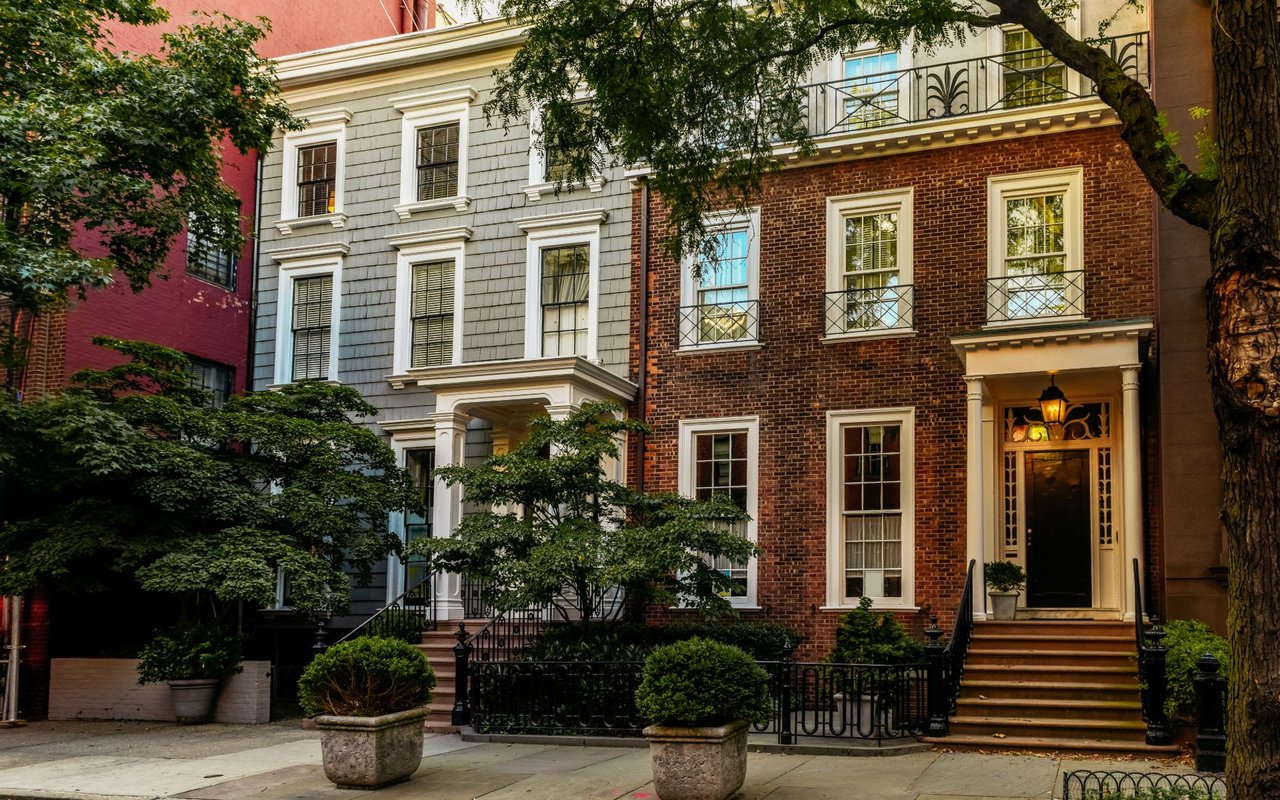
Classic brownstone facades, decorative cornices, and stoops contribute to the overall identity of Brooklyn’s historic neighborhoods.
According to The Real Deal, preserved historic facades are a major factor in maintaining property values across Brooklyn’s townhouse markets.
When these exterior elements are carefully restored, they help maintain the architectural continuity of entire streets.
Why Authentic Details Matter
Brooklyn’s brownstones represent more than just housing — they represent the borough’s architectural heritage.
Many buyers actively search for homes that preserve original details because those features tell a story about the property’s history.
In markets where new construction is increasingly common, authenticity becomes even more valuable.
Homes that maintain their historic craftsmanship often stand out in listings and attract buyers looking for something unique.
Renovation Advice for Brownstone Owners
For homeowners planning renovations, the key is balance.
Modern updates can improve livability, but they should be done in ways that protect the home’s architectural identity.
Smart upgrades include:
-
modern kitchens
-
updated bathrooms
-
improved mechanical systems
-
energy-efficient improvements
These updates enhance comfort without removing the historic features that define the property.
Protecting Long-Term Value
Preserving original brownstone details isn’t just about aesthetics — it’s about protecting value.
Once historic craftsmanship is removed, restoring it can cost far more than maintaining it in the first place.
For many Brooklyn buyers, authenticity is exactly what they are looking for.
When historic architecture is preserved, it becomes one of the home’s most powerful selling points.
Learn More About Brooklyn Real Estate
If you’re considering renovating or selling a Brooklyn brownstone, understanding what buyers value most can make a significant difference.
Learn more about Brooklyn real estate at:
https://petermancininyc.com
I’m Peter Mancini — member of REBNY & BNYMLS — delivering excellence in real estate.